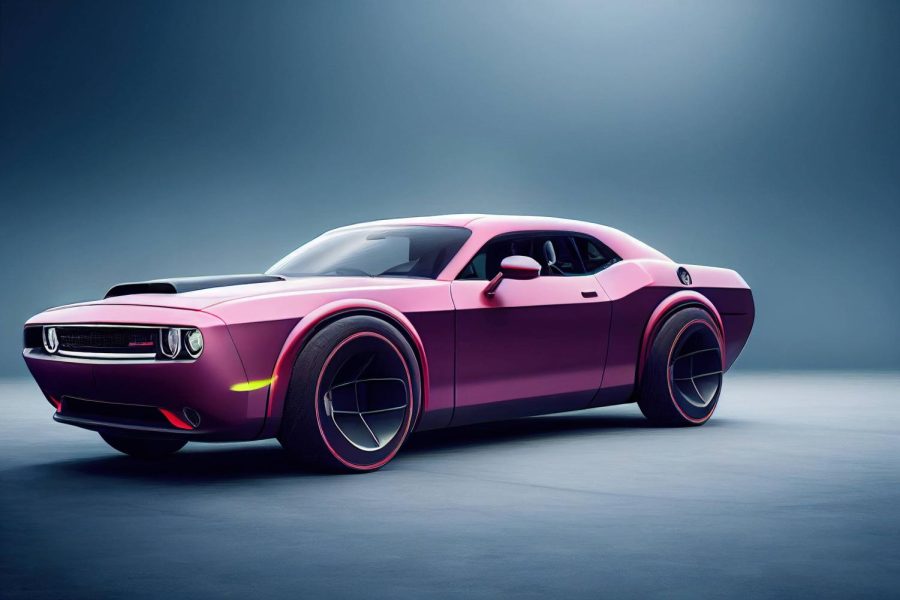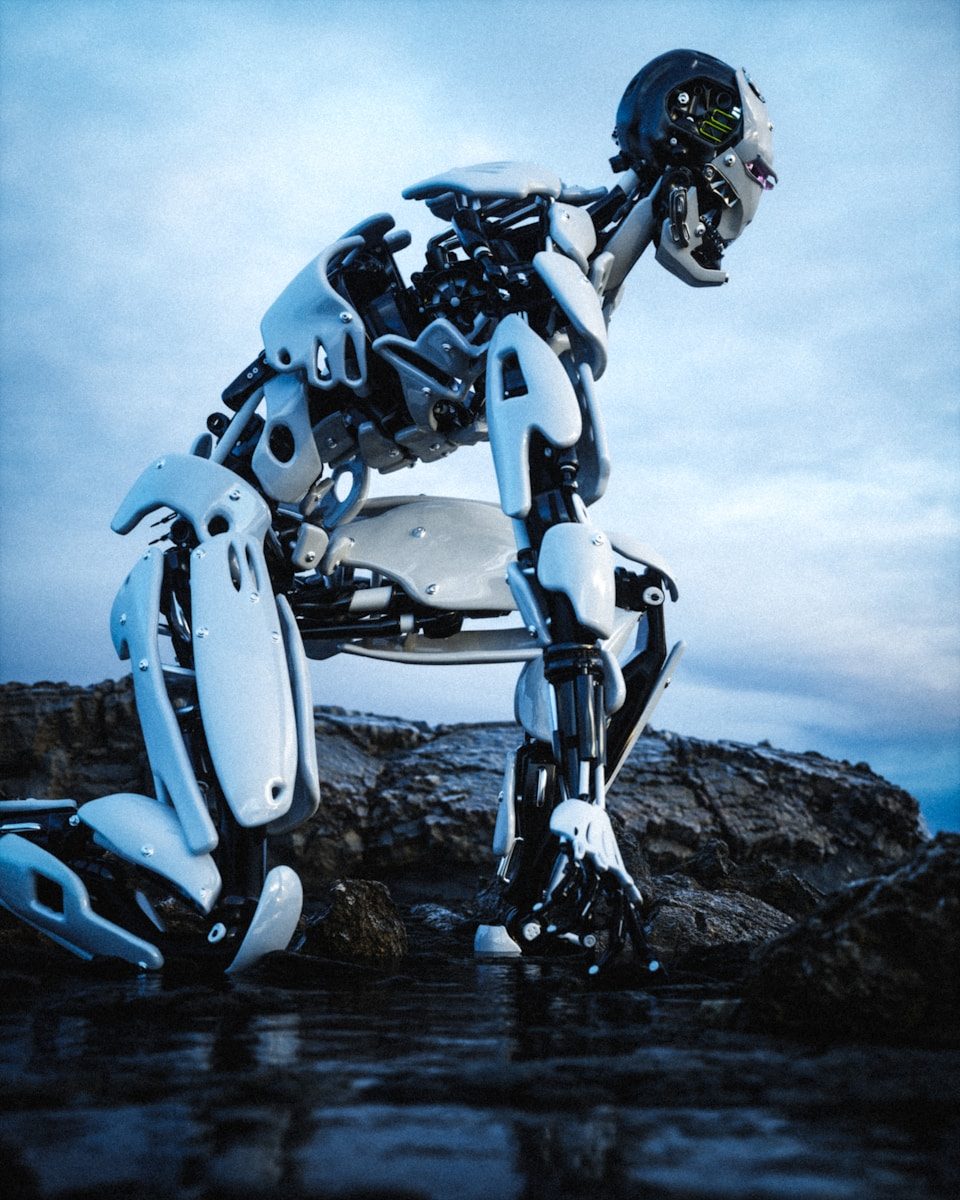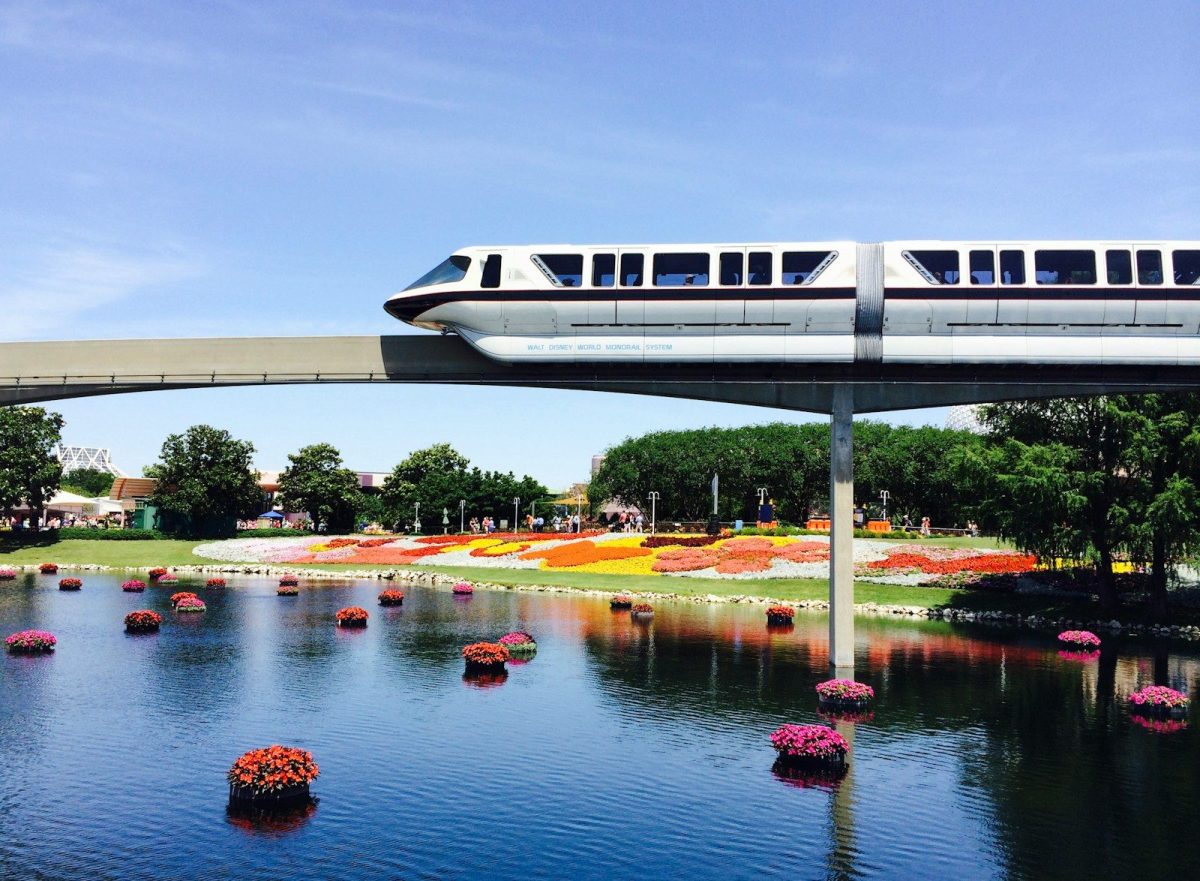
Air pollution is one of the biggest environmental challenges facing our world today. Many vehicles use gasoline, which is made from fossil fuels. When gasoline is burned, it releases greenhouse gases such as carbon dioxide into the atmosphere. These gases trap heat and contribute to climate change. Engineers are searching for cleaner transportation solutions, and RC (remote-controlled) cars can help students learn about technologies that may reduce pollution in the future.
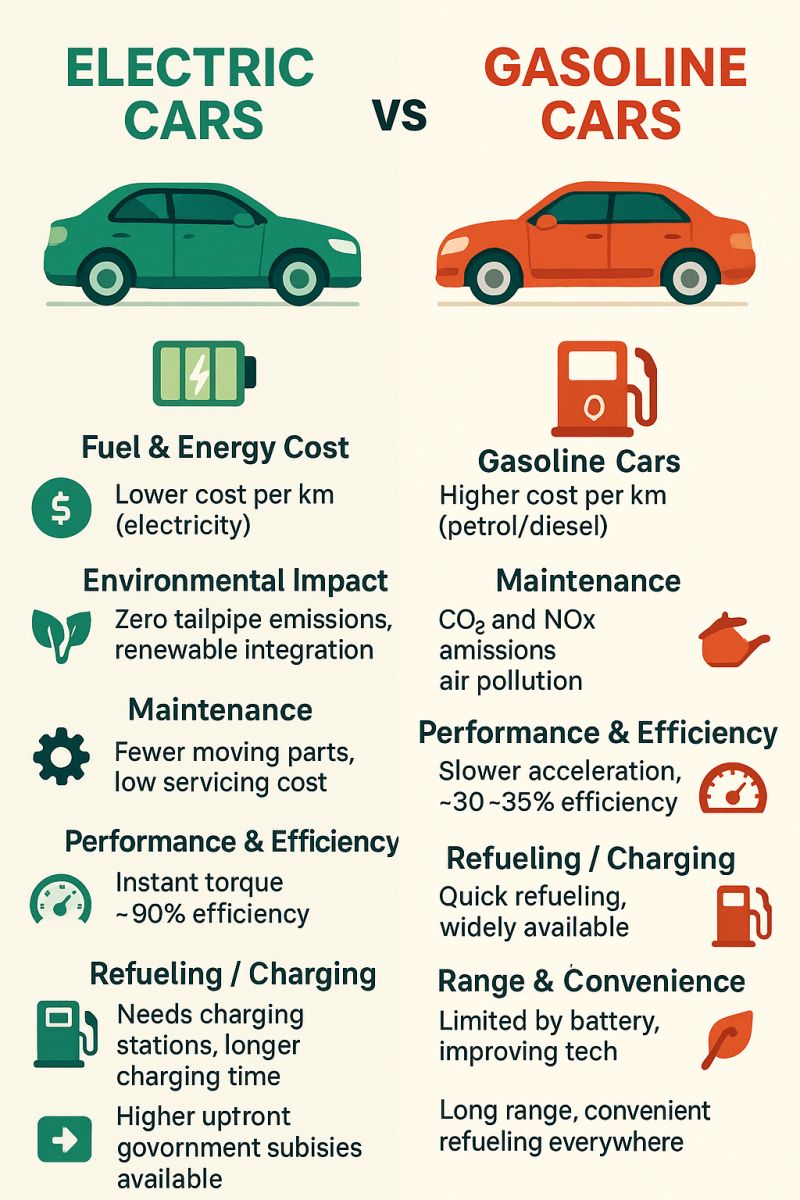
Gas-powered vehicles are used every day for transportation and other purposes, but they can harm the environment. Burning gasoline releases pollutants that affect air quality and increase global temperatures. Because of these concerns, many engineers and scientists have been developing electric vehicles (EVs) that use rechargeable batteries instead of gasoline. Electric vehicles produce no tailpipe emissions, making them a cleaner alternative to traditional cars.
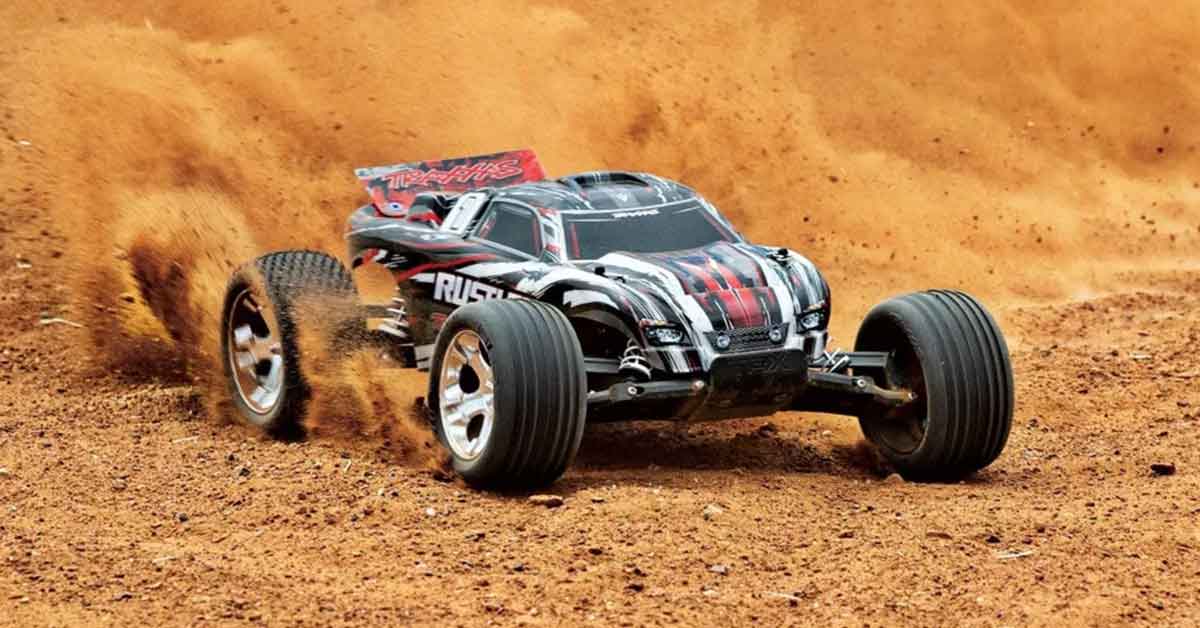
RC cars are often used to test and demonstrate technologies that can later be applied to larger vehicles. Many modern RC cars use electric motors and rechargeable batteries, just like electric cars. By experimenting with RC vehicles, students and engineers can learn about battery power, motor efficiency, and vehicle design. These small-scale models provide a safe and affordable way to explore transportation technology.
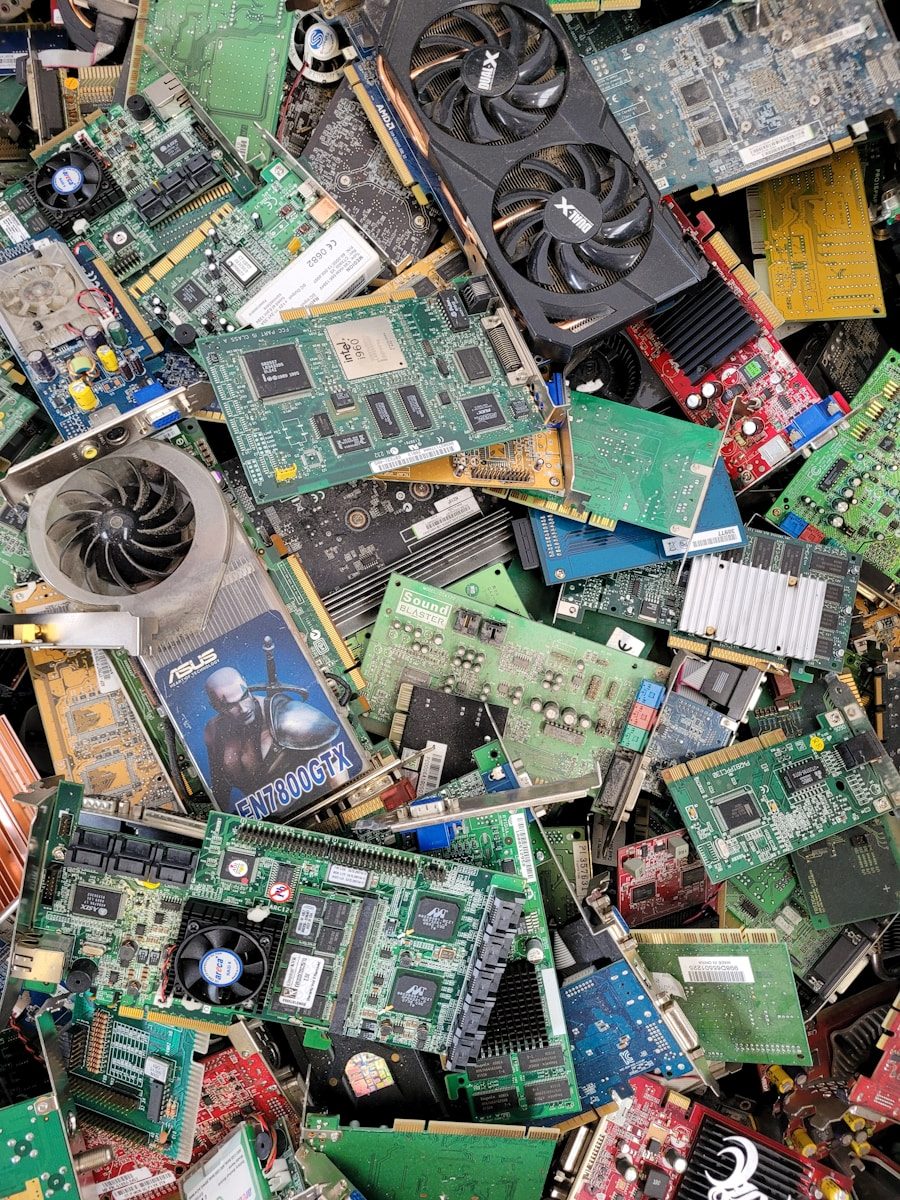
Although electric vehicles offer many environmental benefits, they also have challenges. Batteries can be expensive to produce, and the materials needed for them must be mined from the earth. Charging stations are not available everywhere, and batteries can lose performance over time. However, engineers have developed ways to repair, recycle, and reuse batteries instead of sending them to landfills. These improvements help reduce waste and make electric transportation more sustainable.
In conclusion, RC cars are more than just toys—they are valuable tools for learning about engineering and transportation technology. By helping students understand how electric motors and batteries work, RC cars can inspire future innovations that reduce pollution and protect the environment. While electric vehicles still face challenges, they produce fewer emissions over their lifetime than gas-powered vehicles, making them an important part of creating a cleaner future.
References
- https://shorturl.at/DVNw1
- https://afdc.energy.gov/fuels
- https://betterplaneteducation.org.uk/factsheets/electric-cars-what-are-the-downsides-to-electric-cars
- https://betterplaneteducation.org.uk/factsheets/electric-cars-what-are-the-downsides-to-electric-cars