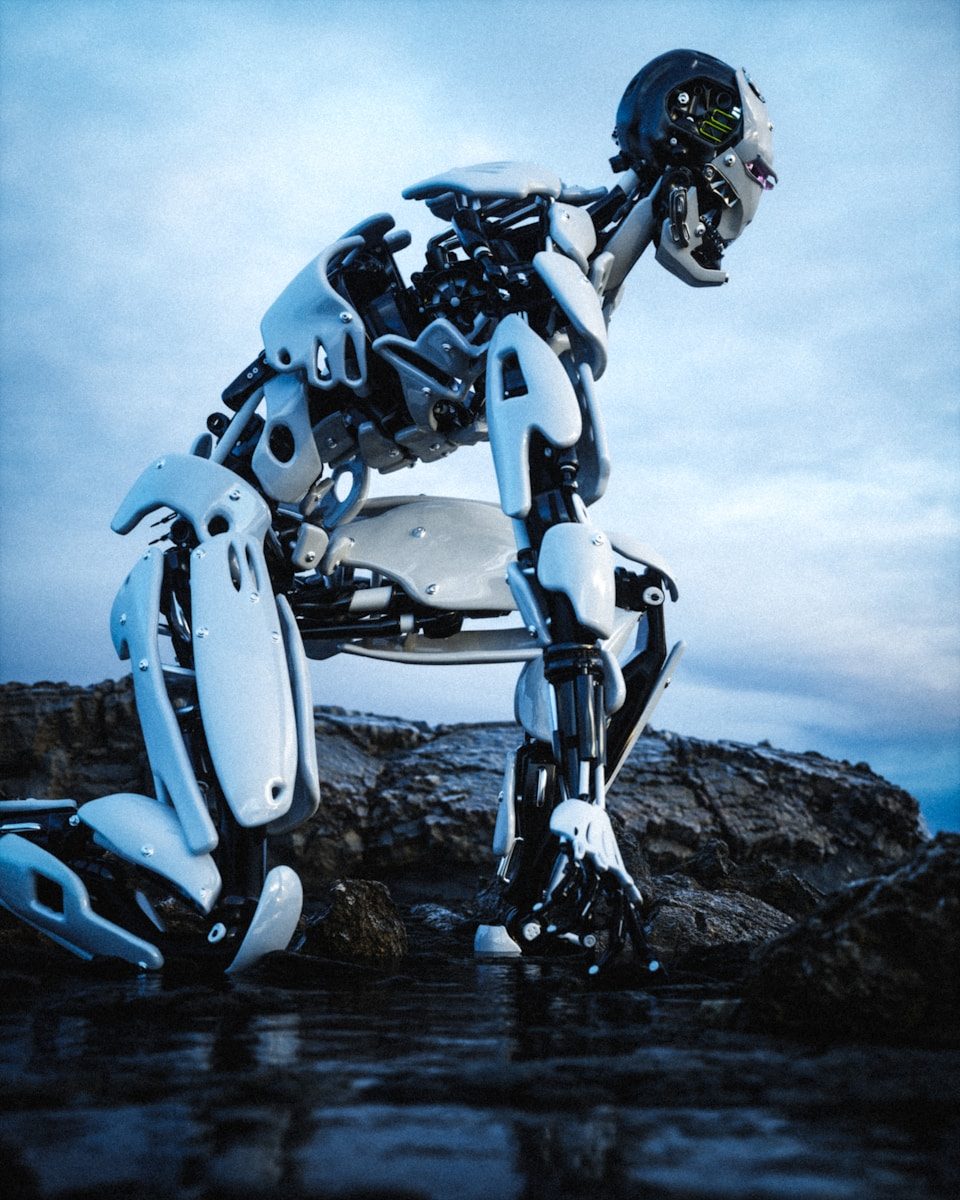
Imagine a factory where dangerous jobs are completed by robots instead of people. Every year, factory workers face risks from heavy machinery, hazardous chemicals, and other workplace dangers. As technology improves, humanoid robots are becoming a possible solution to these problems. Robots such as Atlas from Boston Dynamics and Digit from Agility Robotics are designed to work in environments that may be difficult or unsafe for humans, helping to make workplaces safer and more efficient.
One of the most advanced humanoid robots today is Atlas, developed by Boston Dynamics. Atlas is designed to move, lift, carry, and organize objects in ways that are similar to humans. The robot can perform tasks such as moving materials, assisting on assembly lines, and working in environments where people might be at risk of injury. With advanced sensors and cameras, Atlas can detect objects around it and navigate complex spaces. These abilities make humanoid robots valuable tools for industries that require repetitive or physically demanding work.
Humanoid robots offer several important benefits. One of the biggest advantages is safety. According to the Occupational Safety and Health Administration (OSHA), factory workers can be injured by machinery, moving equipment, or exposure to dangerous materials. Robots can take over many of these hazardous tasks, reducing the number of workplace injuries. In addition, robots can work for long periods without becoming tired, helping companies increase productivity and complete jobs more efficiently.
However, the growing use of robots also creates challenges. Some people worry that humanoid robots could replace human workers in certain jobs. If companies rely heavily on robots, some workers may need to learn new skills or find different types of employment. Similar concerns appeared during earlier waves of factory automation. In the 1980s, many robotics projects failed because the technology was expensive, difficult to maintain, and not advanced enough to meet expectations. Today’s robots are far more capable, but businesses must still carefully balance the benefits of automation with the needs of their employees.
Looking to the future, humanoid robots will likely play an increasingly important role in factories and other workplaces. While robots may not completely replace human workers, they can help perform dangerous, repetitive, and physically demanding tasks. By allowing robots to handle high-risk jobs, companies can create safer working environments while people focus on problem-solving, creativity, and supervision. If used responsibly, humanoid robots could help reduce injuries, improve efficiency, and make workplaces safer for future generations.
References (APA 7th Edition)
- Agility Robotics. (n.d.). Digit. https://www.agilityrobotics.com/
- Boston Dynamics. (n.d.). Atlas. https://bostondynamics.com/products/atlas/
- Occupational Safety and Health Administration. (n.d.). Robotics. https://www.osha.gov/robotics
- Prather, A. (2024). The first robotics hype cycle: How the 1980s boom went bust. LinkedIn. https://www.linkedin.com/pulse/first-robotics-hype-cycle-how-1980s-boom-went-bust-aaron-prather-yk5de
- Universal Technical Institute. (2024). Robotics in manufacturing. https://www.uti.edu/blog/robotics-and-automation/robotics-in-manufacturing