Researchers and emergency rescue workers often face dangerous situations where they cannot safely reach certain places. Tight spaces, collapsed buildings, deep oceans, and distant planets can make exploration difficult or impossible for humans. To solve this problem, engineers have developed specialized robots that can travel into these challenging environments. These devices help gather information, support rescue missions, and protect human lives.
One example of this technology is NASA’s Curiosity Rover. According to NASA’s article “Mars Science Laboratory: Curiosity Rover,” the rover was designed to explore Mars and investigate whether the planet once had conditions that could support microscopic life. Since landing on Mars in 2012, Curiosity has collected valuable scientific data and helped researchers better understand the planet’s environment. Its success shows how robotic technology can go where humans cannot.
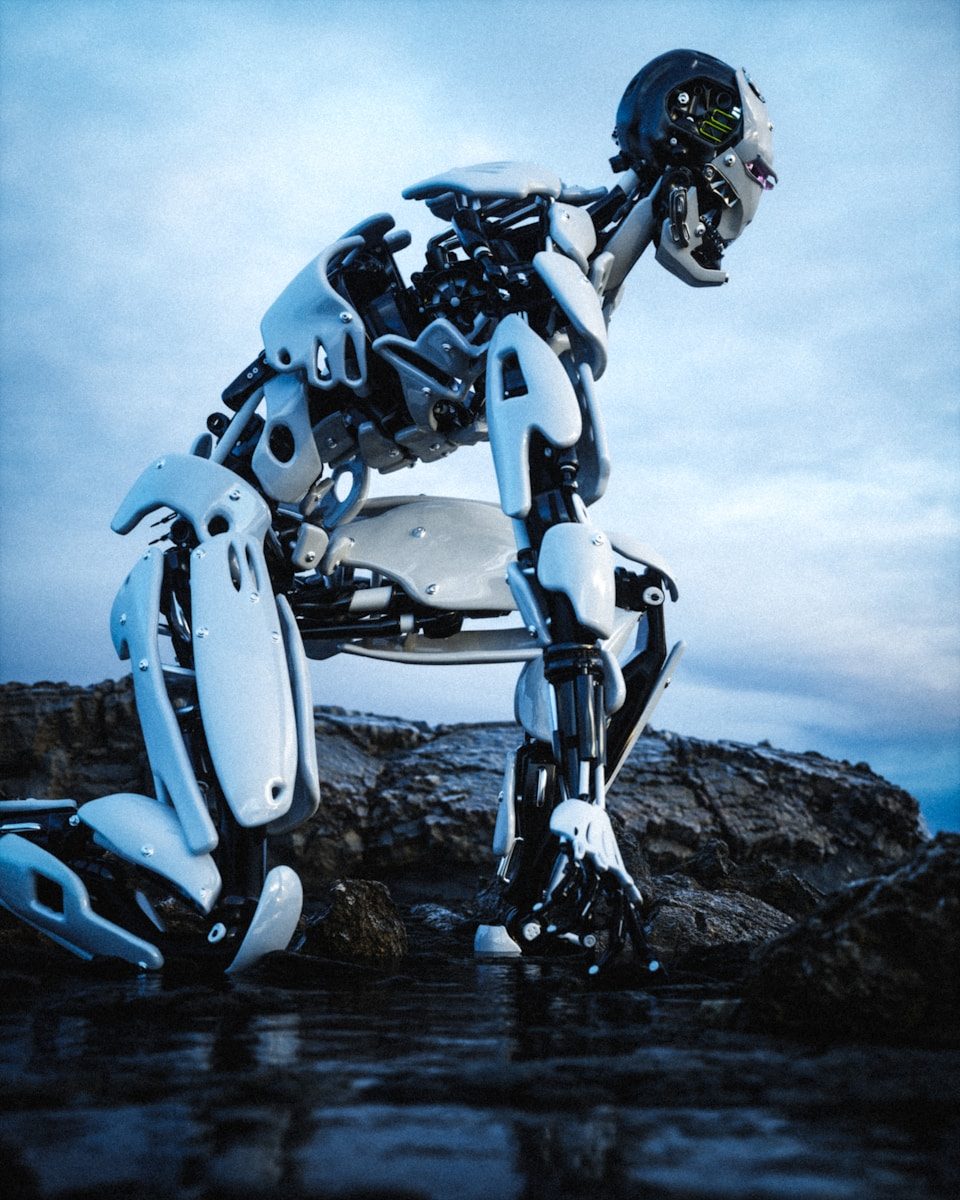
Scientists and engineers have created many different types of exploration and rescue robots. Some robots use wheels, while others have legs that allow them to travel across rough terrain. Not every mission is successful, however. The Beagle 2 Mars Lander, launched in 2003, failed because its solar panels did not fully deploy, preventing communication with Earth. Failures like this help engineers learn valuable lessons and improve future designs.
Research shows that harsh environments are one of the greatest challenges for robotic missions. Extreme temperatures, rough terrain, and difficult weather conditions can damage equipment or cause missions to fail. However, small and agile robots can reduce these risks while minimizing their impact on the environment. A compact rescue robot equipped with a camera can provide important information from dangerous locations without disturbing wildlife or placing human rescuers in danger.
In conclusion, research and rescue robots have a positive impact on both humans and the environment. They allow scientists to explore new places, help rescue teams reach people in emergencies, and reduce the risks faced by human explorers. As technology continues to improve, these robots will become even more effective tools for discovery, safety, and environmental protection.
References
- https://science.nasa.gov/mission/msl-curiosity/
- https://www.spacecentre.co.uk/news/space-now-blog/beagle-2-20-years-later/
- https://www.sciencedirect.com/science/article/pii/S2772918424000407#:~:text=Robots%20collect%20and%20process%20vast,systems%20as%20shown%20in%20Fig.
- https://oceanexplorer.noaa.gov/expedition/ex2203/