When natural disasters strike, people often lose access to electricity, internet service, and cell phone networks. Without these communication systems, it can be difficult to receive important information about weather conditions, evacuation routes, and emergency instructions. This problem is especially serious in remote areas where communication services may already be limited. Because of this, communities need a reliable way to receive information that does not depend on electricity or the internet. FM radios are one solution that can help keep people informed when other systems fail.
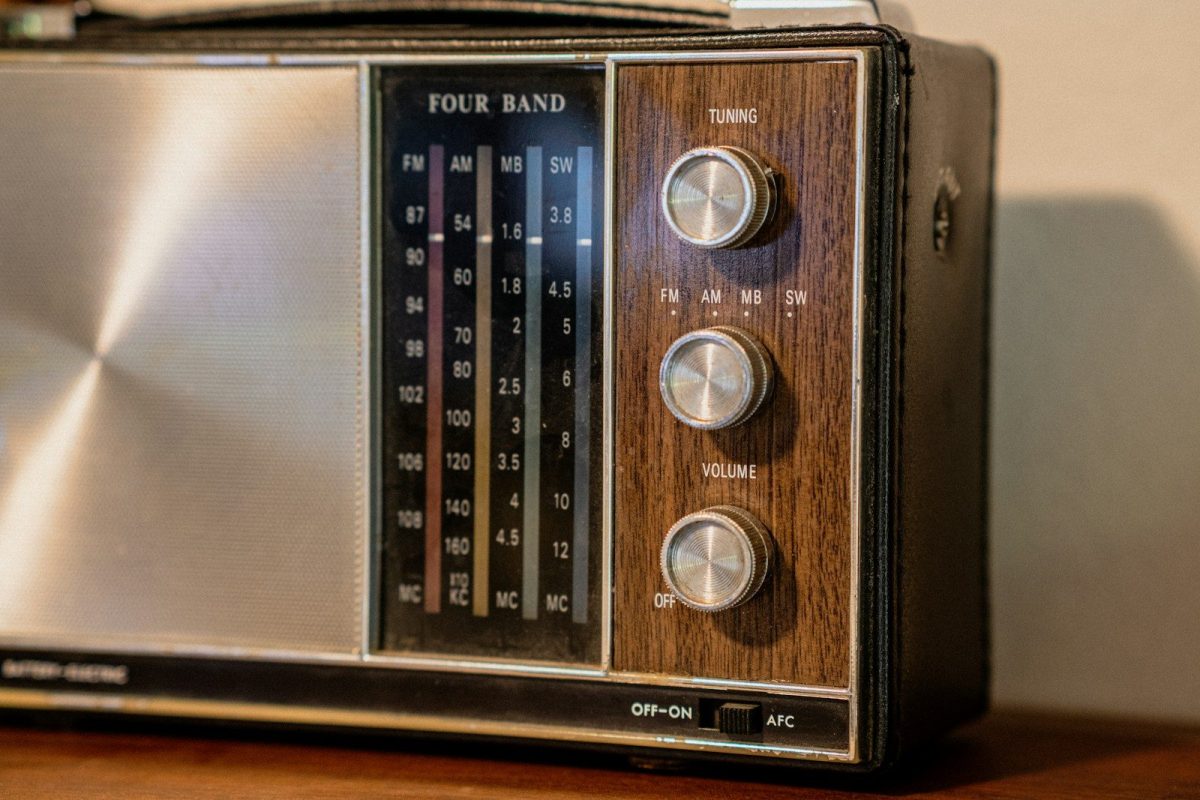
The article “DIY FM Radio” from Instructables explains how the author built a working FM radio using simple materials such as resistors, capacitors, and a breadboard. After assembling the components and solving technical challenges, the finished radio was able to receive broadcasts from a long distance away. This project demonstrates that effective radios can be built from affordable materials. It also shows how engineering can create practical tools that help people stay connected to important information.
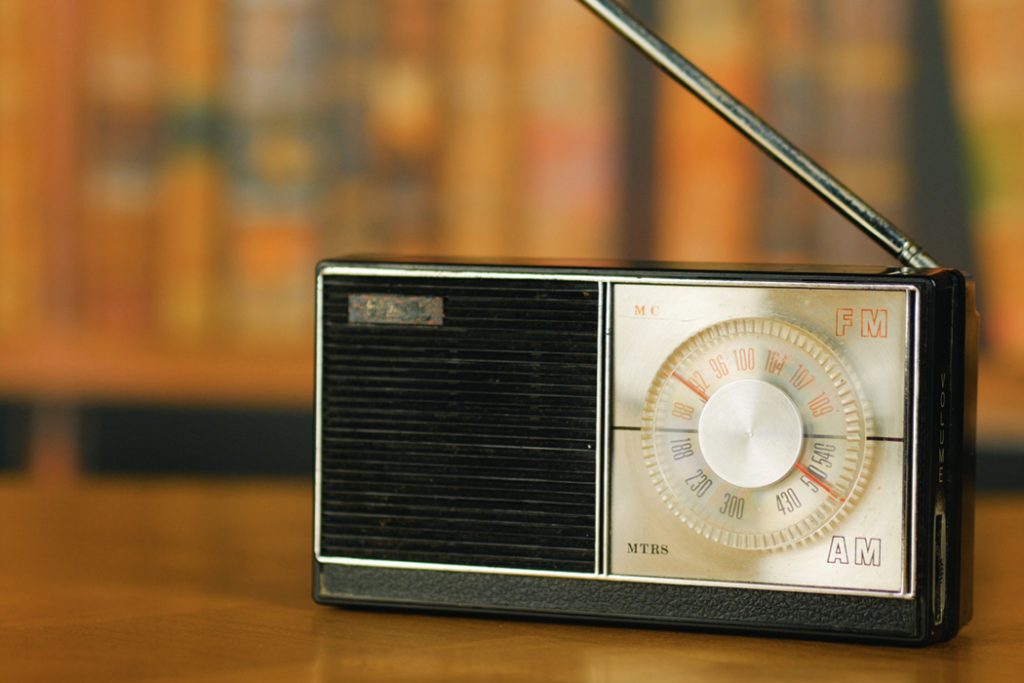
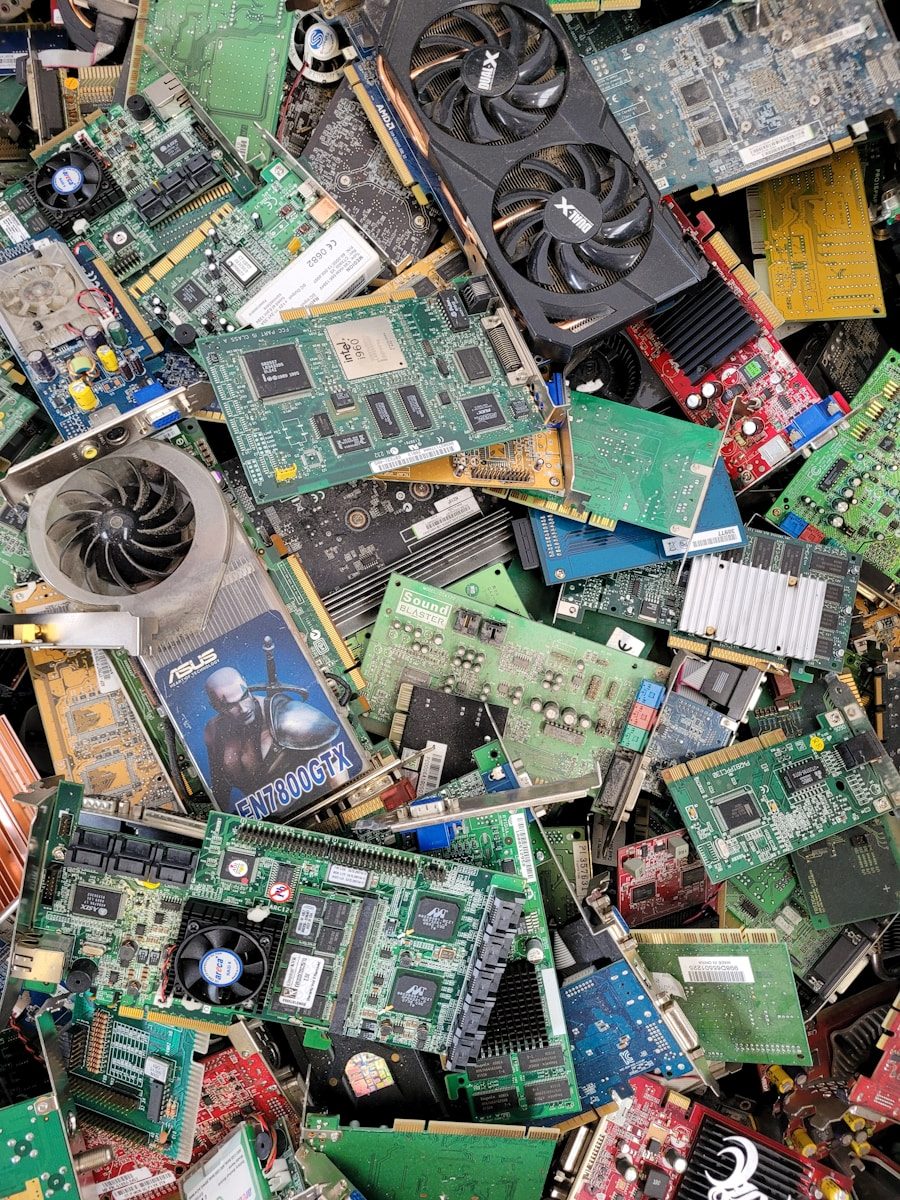
FM radios offer several advantages, especially during emergencies. They provide real-time news and weather updates without requiring internet access or Wi-Fi. They are also relatively inexpensive and easy to use. However, FM radios do have some limitations. They only allow one-way communication, meaning users can listen to information but cannot respond or call for help. Radio reception may also be weaker in mountainous, rural, or remote areas where signals are blocked or difficult to receive. In addition, old or damaged radios can contribute to electronic waste if they are not disposed of properly.
One device designed to improve emergency communication is the hand-crank radio. Unlike standard FM radios, hand-crank radios can generate their own power by turning a crank. Many models also include extra features such as flashlights and phone-charging capabilities. These devices are especially useful during power outages because they do not rely on batteries or electrical outlets. While hand-crank radios can be tiring to operate for long periods and may not always provide perfect sound quality, they are often more dependable during emergencies. Their design highlights the importance of durability, multiple power options, and ease of use in emergency equipment.
Experts note that radio signals can be difficult to receive in certain environments, particularly in rural or mountainous regions. Despite these challenges, FM radios remain one of the most reliable ways to receive information when modern communication systems are unavailable. By combining strong reception, portability, and durable design, FM radios can help people stay informed and safe during natural disasters. Although they cannot replace every emergency communication tool, they continue to play an important role in providing life-saving information when it is needed most.
References