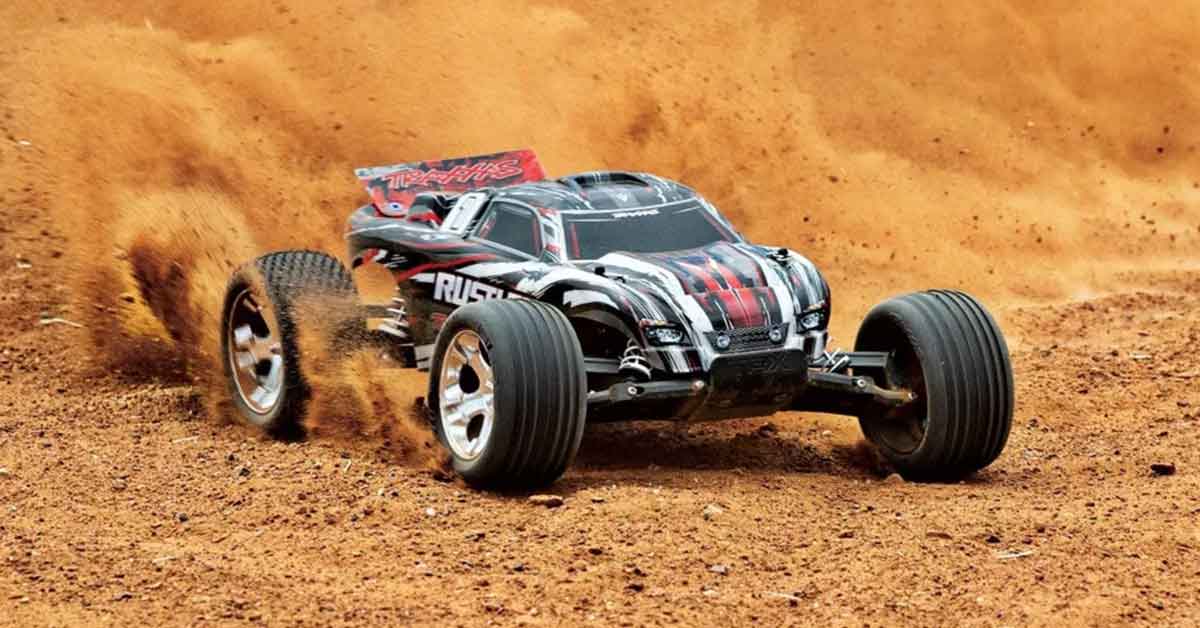
Many students struggle to develop strong hand-eye coordination because they do not always have access to activities that are both engaging and effective. Hand-eye coordination is an important skill that helps people complete everyday tasks such as writing, playing sports, using tools, and operating technology. Traditional exercises can improve these skills, but they may feel repetitive and uninteresting. As a result, many young learners lose motivation before seeing significant improvement. RC (remote-control) cars offer a unique solution by combining skill development with an exciting and enjoyable hobby.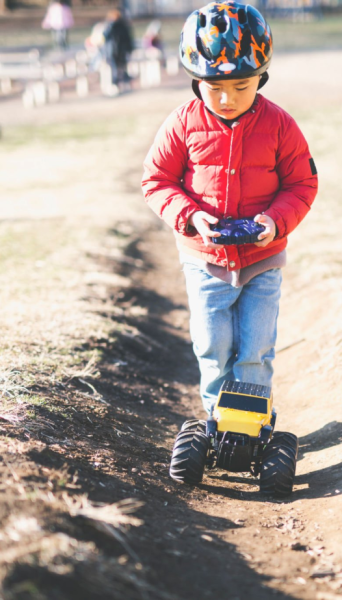
According to The Psychology of Control: How RC Racing Sharpens Your Reflexes and Focus, driving RC cars requires quick reactions, precise movements, and constant attention. Drivers must carefully steer around obstacles, judge distances, and make split-second decisions while controlling their vehicles. These actions help strengthen hand-eye coordination, improve reflexes, and increase concentration. Over time, regular practice can help users become more confident and develop stronger motor skills while having fun at the same time.
Like any technology, RC cars have both advantages and disadvantages. On the positive side, they help improve spatial awareness, fine motor control, and problem-solving skills. Because driving RC cars feels like a game, users are often willing to practice for longer periods, leading to greater skill development. However, RC cars can be expensive to purchase and maintain. They also require safe spaces to operate and may be challenging for beginners to learn. In addition, batteries and electronic components must be disposed of responsibly to reduce environmental impacts.
Before RC cars became popular for skill-building activities, other methods were commonly used to improve hand-eye coordination. Occupational therapists often recommend exercises such as threading beads, using tweezers, or completing activities that strengthen small hand muscles. Research has shown that these exercises can be effective, but some children find them repetitive and lose interest over time. This highlights an important lesson: successful skill development requires not only practice and repetition but also activities that keep learners motivated and engaged.
Experts agree that strong fine motor skills and hand-eye coordination are essential for success in school and everyday life. Without these skills, people may struggle with tasks such as writing, using tools, or performing daily self-care activities. RC cars provide an exciting way to practice coordination while encouraging focus, patience, and persistence. By combining learning with entertainment, RC cars demonstrate how engineering and technology can help people build important life skills. As technology continues to evolve, activities like RC racing may become even more effective tools for helping young people learn, grow, and succeed.
References
- https://www.hearnshobbies.com/blogs/radio-control/the-psychology-of-control-how-rc-racing-sharpens-your-reflexes-and-focus?srsltid=AfmBOopAK6SzebsEAun00ufr9lqWpG2WJBdIyz22krqUiBmuy6FmbZZ0
- https://www.brownhealth.org/be-well/occupational-therapy-fine-motor-skills-enhancing-function-and-independence
- https://www.ot-mom-learning-activities.com/fine-motor-skills-activities.html
- https://pmc.ncbi.nlm.nih.gov/articles/PMC4779971/
- https://thenoteninjas.com/blog/f/enhancing-fine-motor-skills-in-children