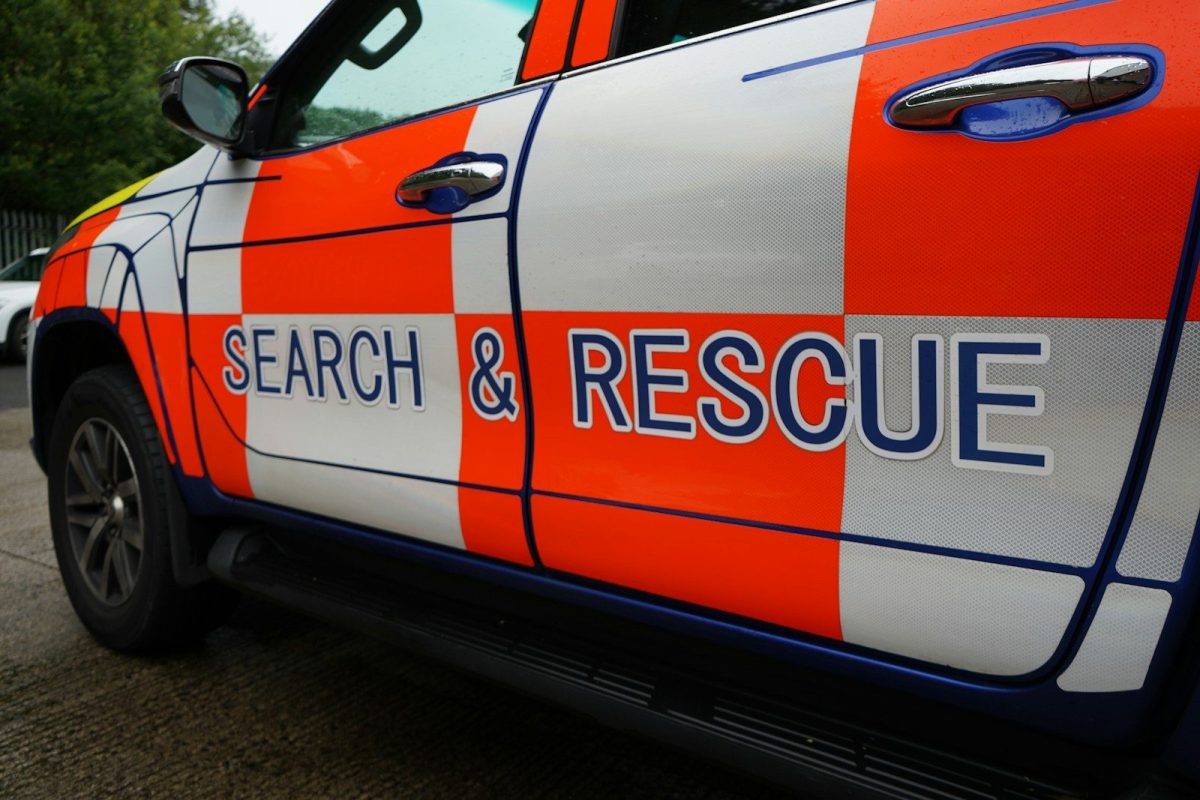
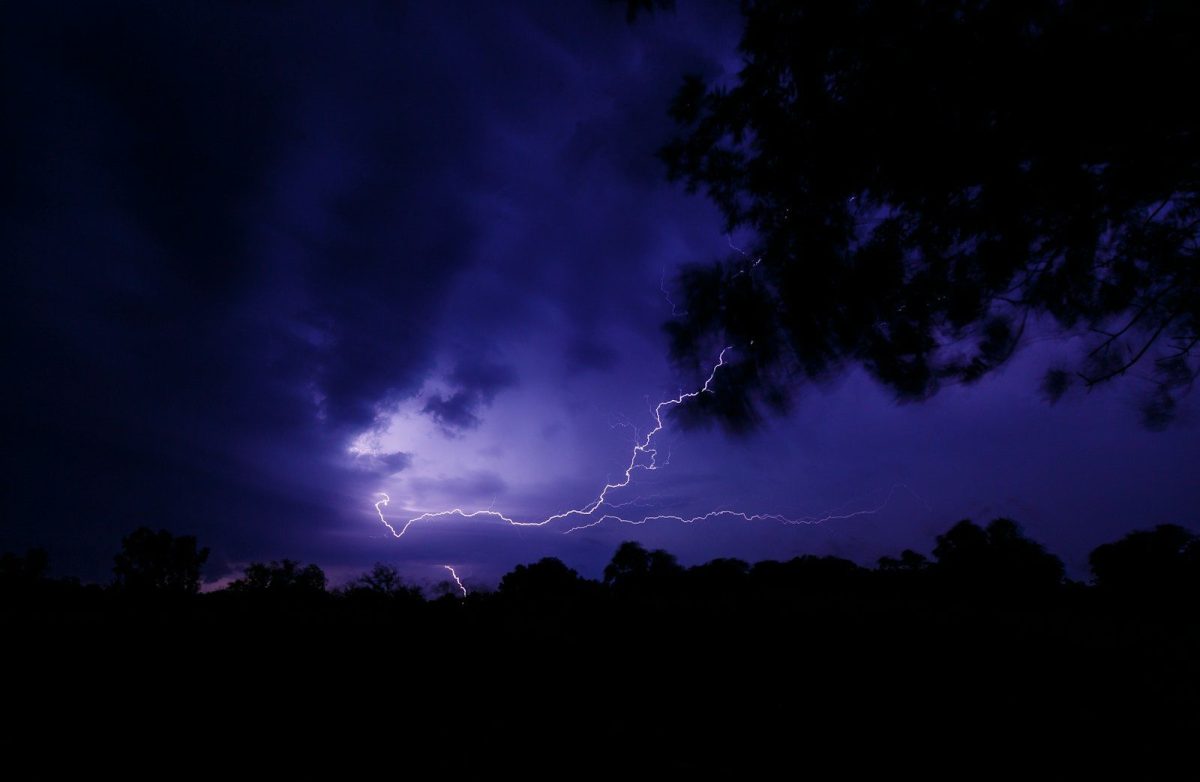
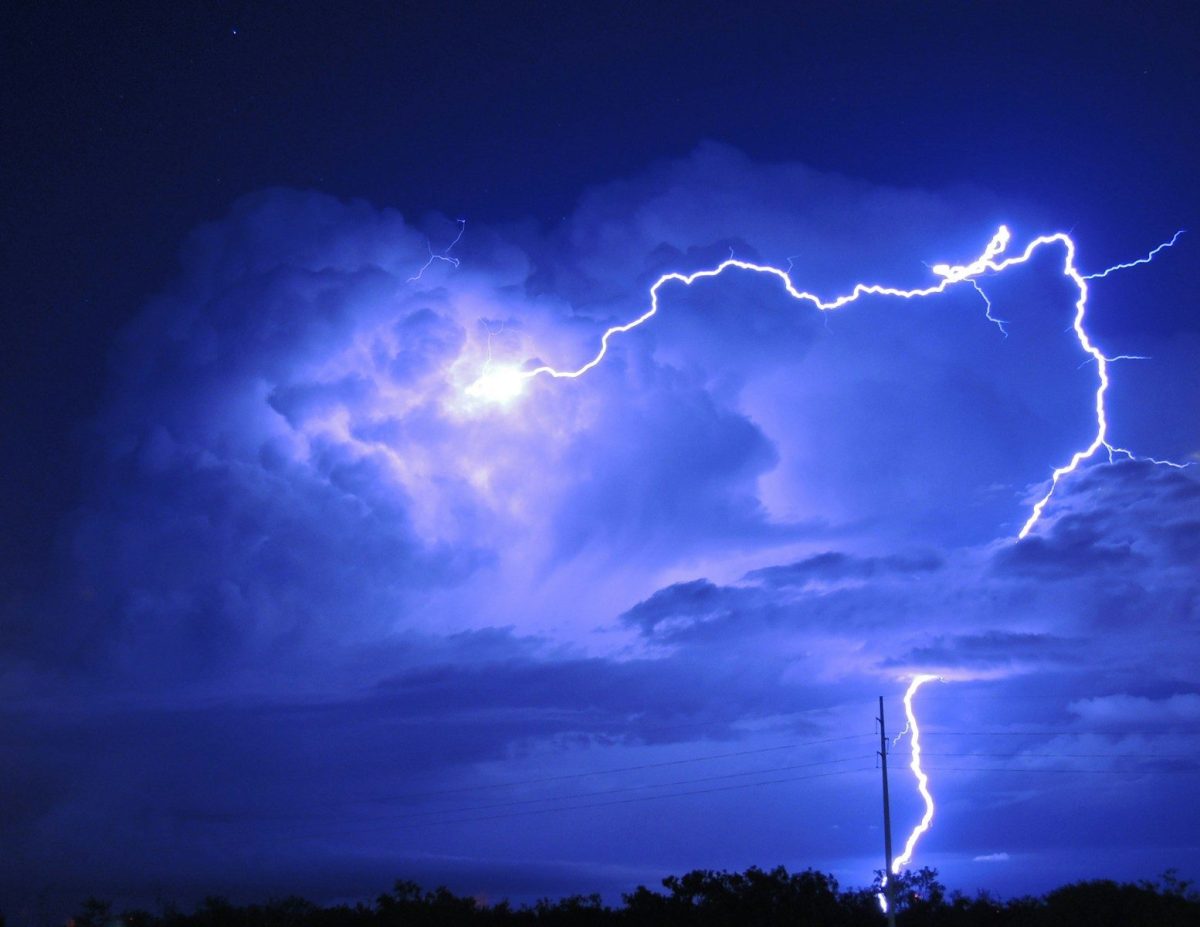
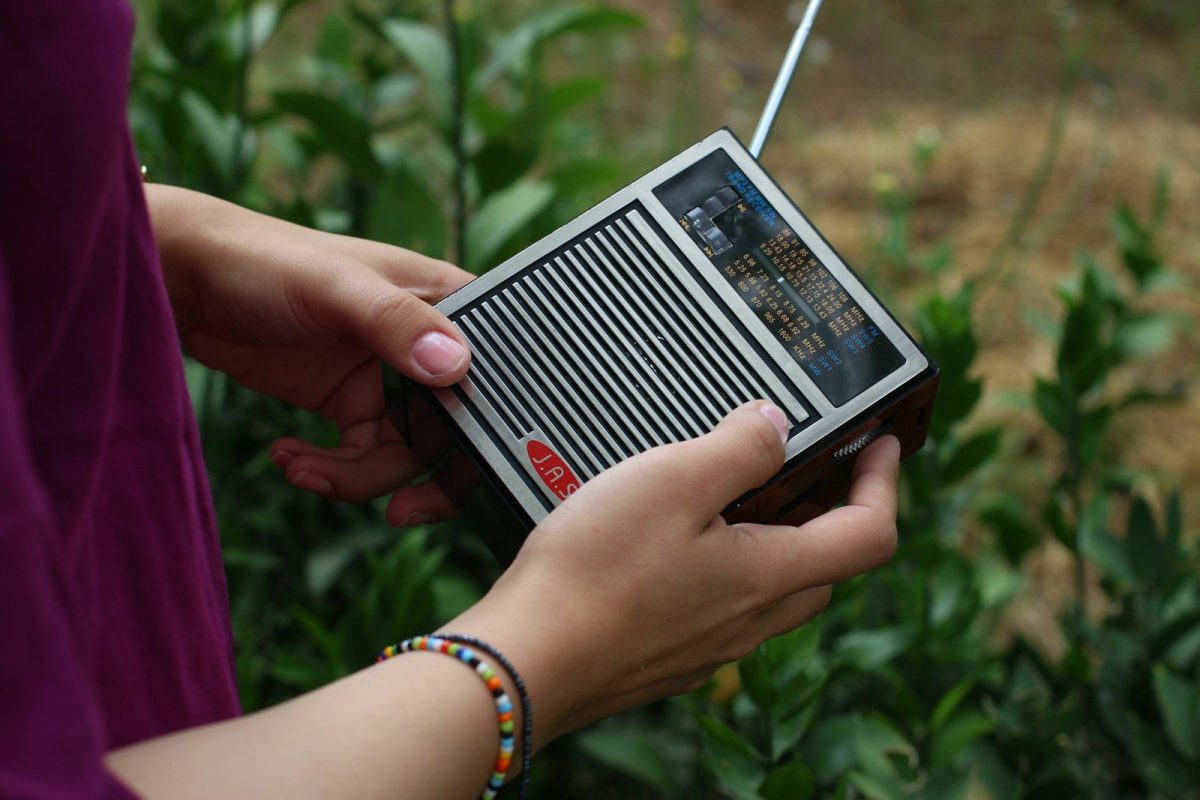
Imagine a powerful storm knocking out electricity, cell phone service, and internet access. For people living in remote areas or communities affected by natural disasters, staying informed can become a serious challenge. When modern communication systems fail, FM radios provide a reliable way to receive important information. Because they can operate using batteries, solar power, or hand cranks, FM radios help people stay connected when they need information the most.
FM radios are simple devices that use radio waves to receive broadcasts from local stations. Some people even build their own FM radios using components such as resistors, capacitors, speakers, circuit boards, and soldering materials. Modern emergency FM radios often include additional features such as digital displays, LED lights, solar panels, and hand-crank generators. These features allow the radios to continue working even when electrical power is unavailable.
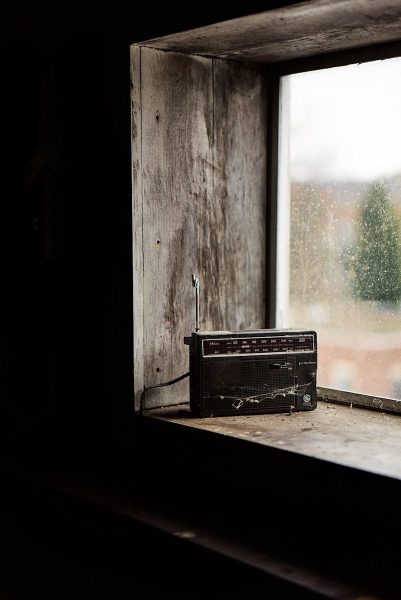
FM radios have many positive impacts on society. They provide access to local news, weather forecasts, and community announcements. During emergencies, they can deliver life-saving information about evacuation routes, shelter locations, and severe weather warnings. However, there are also some drawbacks. Building radio towers can affect local environments, and radio signals can sometimes experience interference from other electronic devices. Despite these challenges, the benefits of FM radios often outweigh their disadvantages, especially during emergencies.
Many other technologies have been used to help communities communicate during disasters, including satellite phones, mobile apps, and emergency alert systems. While these tools can be useful, they often depend on electricity, internet access, or cellular networks. When those systems fail, communication becomes difficult. FM radios remain effective because they are affordable, easy to use, and capable of receiving broadcasts even during widespread power outages. This makes them one of the most dependable emergency communication tools available.
As natural disasters continue to affect communities around the world, reliable communication becomes increasingly important. FM radios provide a simple and effective solution for staying informed when other technologies stop working. Whether powered by batteries, solar energy, or a hand crank, these radios help people receive critical information when they need it most. For remote communities and disaster-prone areas, FM radios are more than just a way to listen to music—they are a valuable tool that can help keep people safe.
References
- https://www.instructables.com/FM-Radio/
- https://preparedhero.com/blogs/articles/hand-crank
- https://generalprepper.com/test-hand-cranked-radios-the-general-prepper
- https://www.vermontpublic.org/inside-vpr/2014-03-06/guide-to-good-reception
- https://generalprepper.com/test-hand-cranked-radios-the-general-prepper