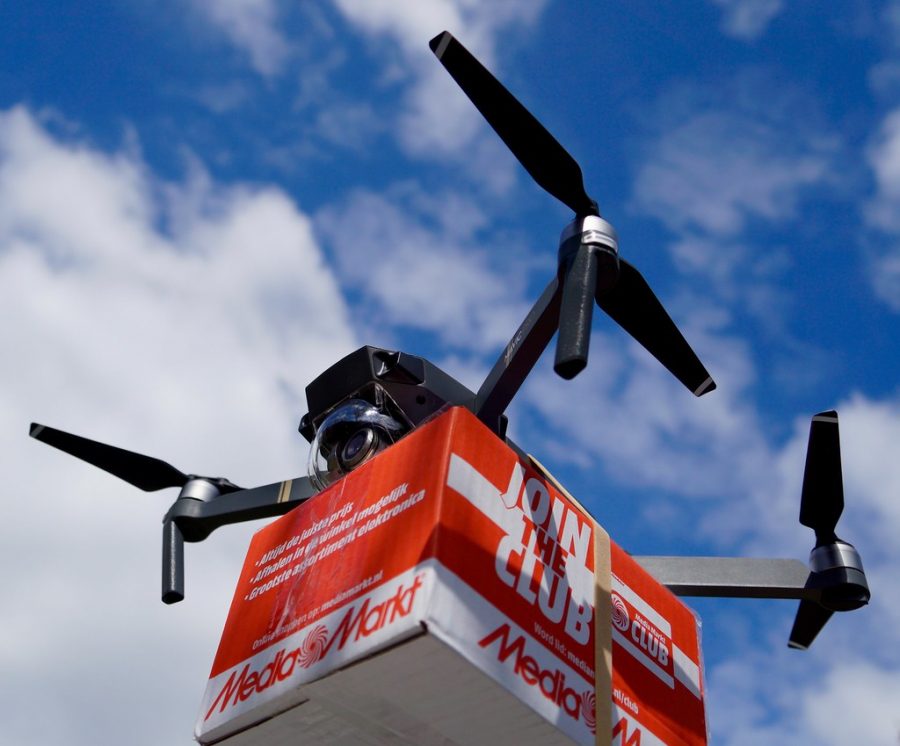
Every day, millions of packages are delivered to homes and businesses around the world. However, traditional delivery systems often face problems such as traffic, high fuel costs, delivery delays, and human error. These challenges can increase costs for companies, frustrate customers, and create more pollution from delivery trucks. Engineers are now exploring new ways to deliver packages that are faster, more reliable, and better for the environment.
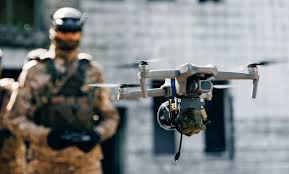
According to Tyler Greenawalt in the article “Amazon’s Drones Can Now Deliver iPhones. Here’s How It Works,” Amazon’s Prime Air drones can deliver more than 60,000 different items in 60 minutes or less. Customers can select a delivery location through the app, and the drone flies the package directly to that spot. Companies such as Zipline are also using drone technology to transport products efficiently. These innovations show how engineering can improve delivery systems by reducing travel time and increasing convenience.
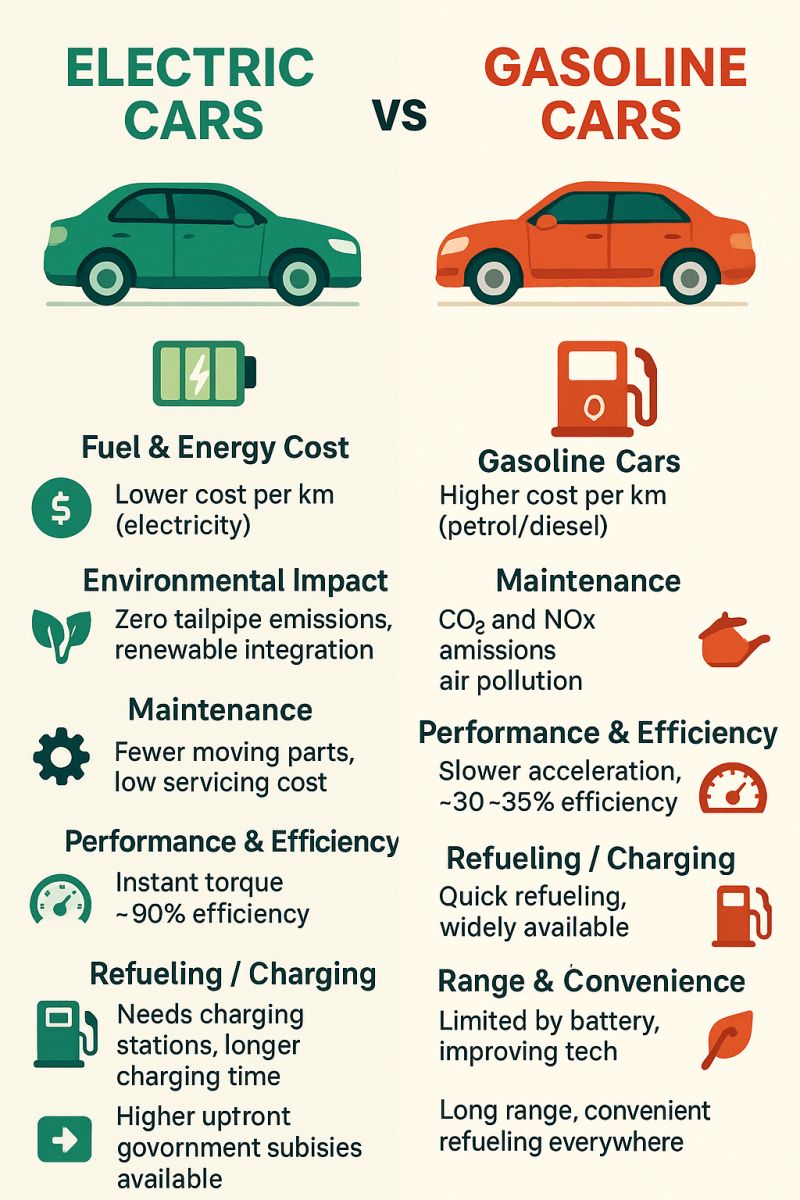
Delivery drones and robots offer several advantages over traditional trucks and vans. Because they use electric power, they can reduce fuel consumption and lower harmful emissions. They also require less human involvement, which may reduce labor costs and delivery mistakes. However, these technologies still have challenges. Privacy concerns, safety risks, bad weather, and expensive development costs make it difficult for drones and robots to completely replace traditional delivery methods.
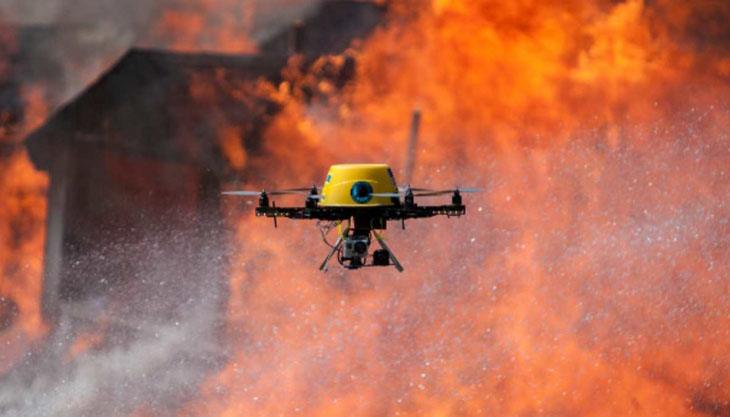
Engineers continue to improve these systems by addressing their weaknesses. Current delivery drones often have limited battery life, making them suitable only for short trips. They can also struggle in strong winds, heavy rain, or crowded urban environments. Delivery robots sometimes have difficulty navigating sidewalks and accurately mapping their surroundings. Future designs will need stronger materials, longer-lasting batteries, better weather resistance, and improved navigation systems to become practical for widespread use.
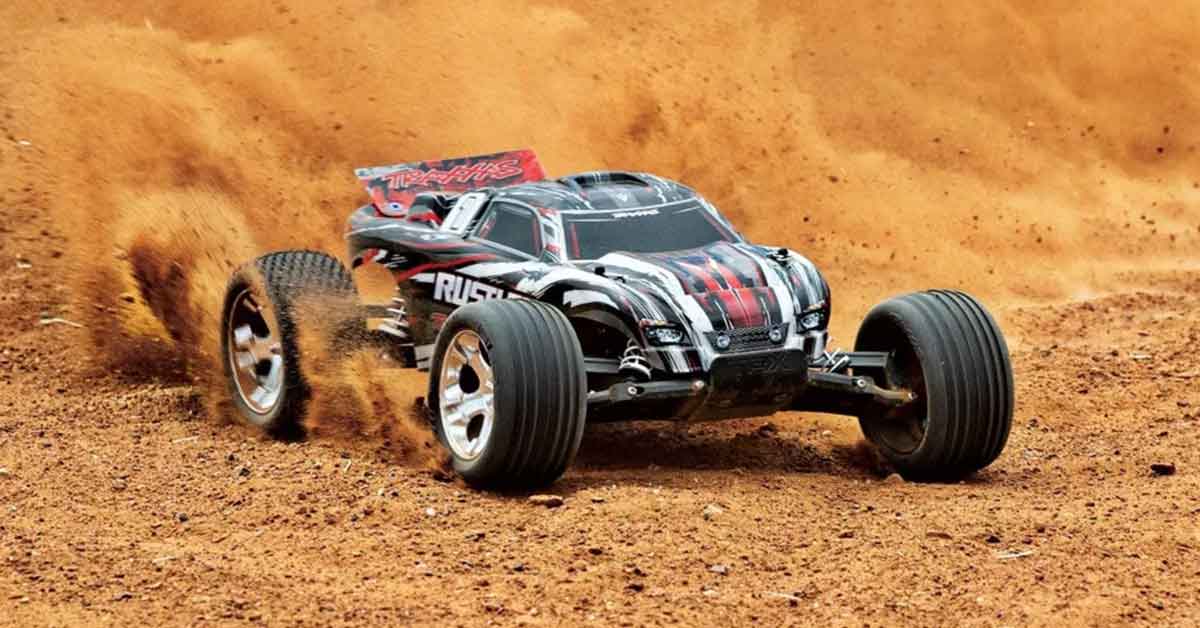
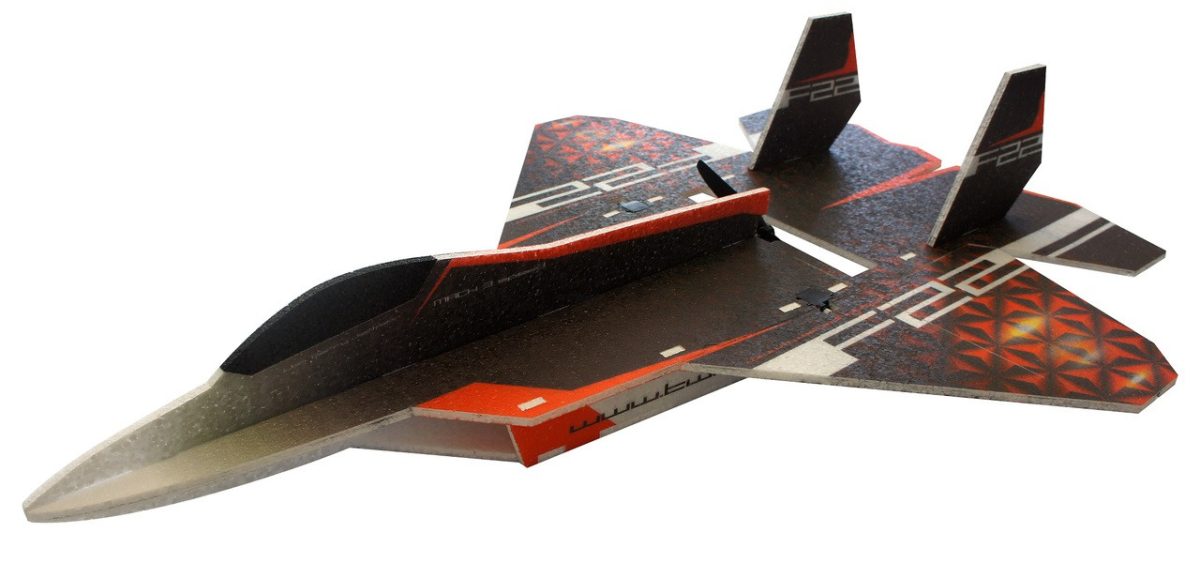
One possible future solution is the use of First Person View (FPV) delivery vehicles. These small remotely operated vehicles could travel along sidewalks, avoid traffic, and deliver small packages directly to customers. They could provide real-time video tracking and reduce delivery costs compared to large delivery vans. While engineers must still solve challenges related to safety, regulations, and reliability, drones, robots, and FPV vehicles demonstrate how innovative technology could create faster, cleaner, and more efficient delivery systems in the future.
References