Every year, dangerous weather such as storms, floods, and hurricanes affects people around the world. Many people do not have easy access to accurate weather information, especially in areas with limited internet or technology. Without reliable weather data, people may go outside during unsafe conditions or fail to prepare for severe weather. To address this problem, engineers have developed weather stations that collect and share important weather information with the public.
One example of a modern solution is the weather station created by the YouTube creator “pileofstuff” in the video DIY Weather Station. Using Arduino components, sensors, and custom programming, the creator built a weather station that measures temperature, humidity, air pressure, and light levels. The system gathers data from multiple sensors and displays the information in an easy-to-read format. This project shows how engineering can be used to create affordable tools that help people better understand local weather conditions. Another example of a previous solution would be the weather station from Earth Networks. Their recommended weather station includes temperature, wind speed, wind direction, precipitation, humidity, solar radiation, atmospheric pressure, and visibility. They recommend that the weather station transmit the data to a network, forecaster, or display. They include weather sensors, lightning sensors, a sensor shelter, a rain gauge, a data-logger/network appliance, a weather display, and a weather camera.
Weather stations can have many positive effects on society. Accurate weather information helps people prepare for storms, heat waves, and other dangerous conditions, which can reduce injuries and save lives. Farmers can also use weather data to make better decisions about planting and harvesting crops. However, there are some challenges. If weather data is inaccurate, people may make poor decisions based on incorrect forecasts. In addition, frequent warnings that do not lead to actual danger may cause people to ignore future alerts, making it harder to respond during real emergencies.
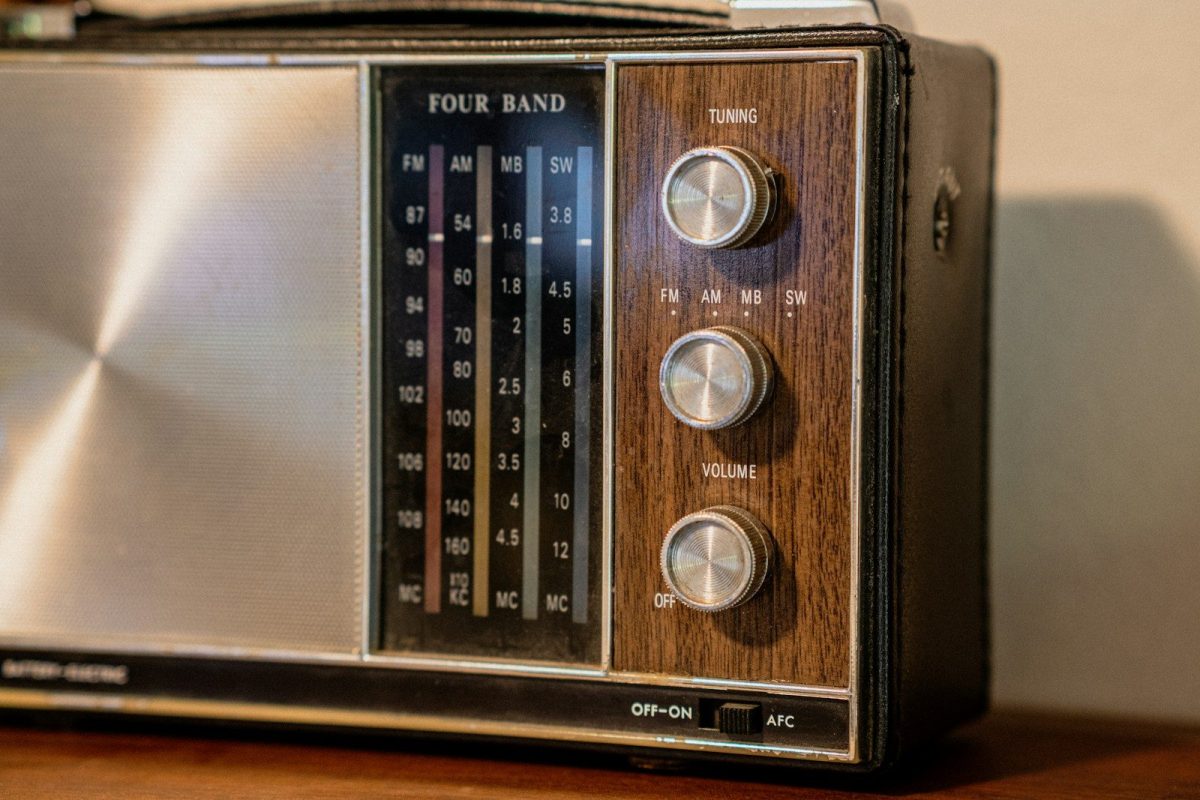
An earlier solution to this problem was the NOAA Weather Radio system. NOAA Weather Radios provide weather alerts and forecasts without requiring internet access and can operate on battery power during emergencies. The radios include special alert tones that warn users about severe weather. While this system has helped protect many people, it also has limitations. Power outages can affect radio transmitters or receivers, and severe weather can sometimes interfere with radio signals. These strengths and weaknesses show that future weather stations should include backup power sources and reliable emergency alert features.
Experts agree that access to weather information is important for public safety. Limited weather data can make it difficult to warn people about approaching disasters. Without timely forecasts and early warning systems, communities may not have enough time to evacuate or prepare for dangerous conditions. Weather stations help solve this problem by providing accurate and timely information. As technology continues to improve, weather stations will play an even greater role in protecting lives and helping communities prepare for the challenges of severe weather.
References
- https://www.youtube.com/watch?v=G_dTu2_HSjk
- https://www.weather.gov/nwr
- https://www.preventionweb.net/news/radio-system-keeps-us-safe-extreme-weather-under-threat#:~:text=Radio%20is%20especially%20important%20when%20weather%20turns%20deadly.&text=While%20NOAA%20Weather%20Radio%20has,which%20it’s%20meant%20to%20inform.&text=Interviews%20with%20NWS%20employees%20about,the%20transmitters%20that%20broadcast%20it.&text=Recent%20congressional%20action%2C%20however%2C%20has,to%20pass%20in%20the%20Senate.
- https://www.weather.gov/phi/nwrfaq#:~:text=There%20are%20several%20features%20to,all%20seven%20Weather%20Radio%20frequencies.
- https://www.earthnetworks.com/resources/weather-facts/automated-weather-stations/