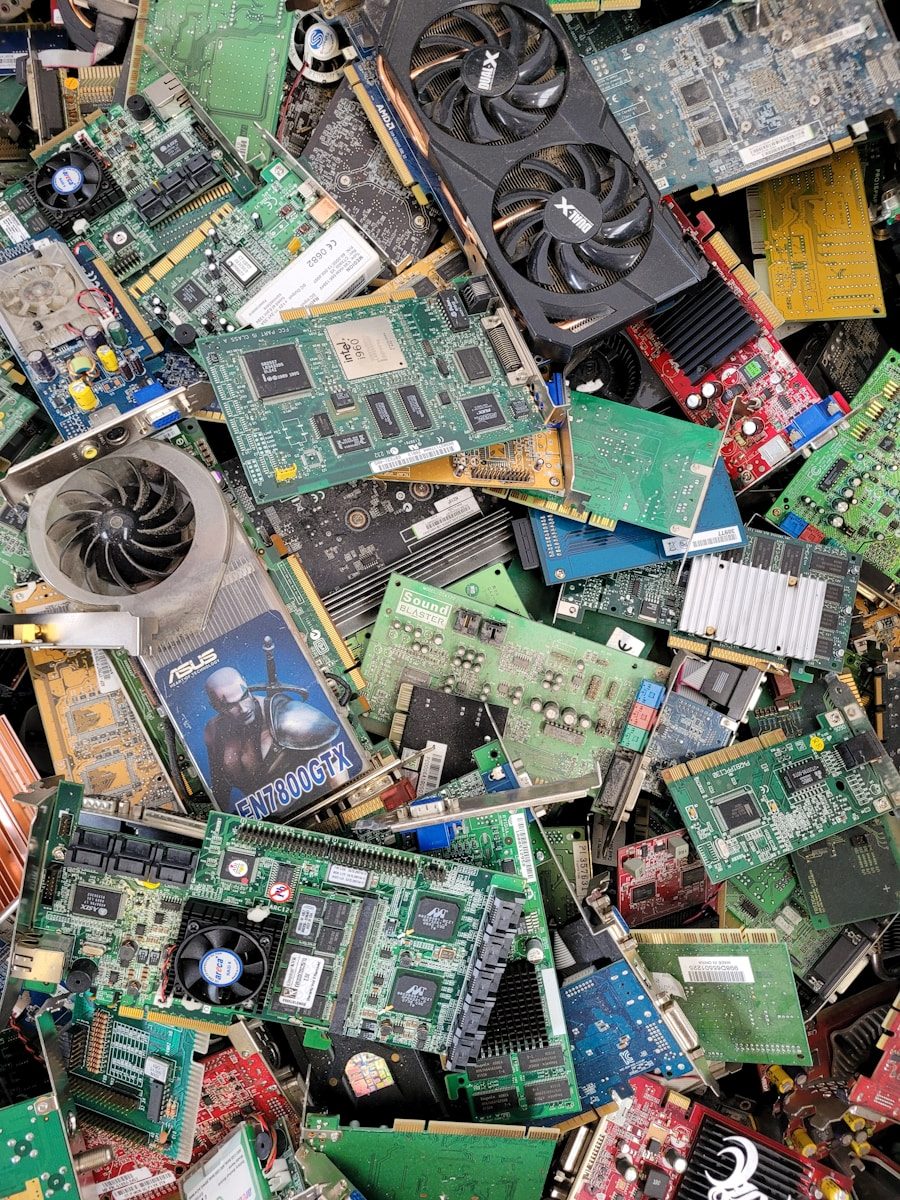
Did you know that in 2022, the world created 62 million metric tonnes of electronic waste? That’s a huge amount of old phones, computers, and gaming gadgets piling up every year! Most of this e-waste isn’t recycled properly, which means valuable materials are wasted, and dangerous chemicals can leak into the environment. As technology keeps improving, finding ways to reduce e-waste and reuse electronics has become more important than ever.
One creative way to fight e-waste is by making your own gaming controller. A DIY (do-it-yourself) controller can connect to phones, PCs, and consoles without needing special tools or professional skills. This lets gamers reuse parts from old devices instead of buying brand-new controllers. Not only does this help the environment, but it also encourages people to be more hands-on with technology and discover how electronics really work.
DIY controllers come with some exciting benefits. You can customize them to fit your hands perfectly or even adapt parts from other devices, like RC car controllers, to create a unique setup. This makes gaming more comfortable and personal. However, DIY projects can be tricky. Mistakes in assembly could make the controller stop working, and using certain setups might drain batteries faster than normal. These challenges show that while DIY controllers are a fun way to reduce waste, they require patience and careful planning.
One way to make DIY controllers more reliable is by learning from existing wireless technologies. Bluetooth Low Energy (BLE), for example, uses clever tricks like switching channels and avoiding interference from other devices to stay connected. Using these methods in your controller can create a stable gaming experience, even when other wireless signals are nearby. This shows how combining DIY creativity with proven technology can make sustainable gadgets just as functional as store-bought ones.
What makes this approach truly exciting is the focus on sustainability. By using recycled parts and non-electronic materials, like cardboard or styrofoam, DIY controllers avoid adding more e-waste to the planet. This type of design is part of a “circular economy,” where items are reused and resources are used wisely instead of thrown away. Small steps, like building your own controller, can help protect the environment while still letting you enjoy your favorite games.
References