Have you ever dropped something under a couch or bed and struggled to get it back? Retrieving objects from under furniture can be frustrating because the space is often too small for people to reach easily. Engineers are developing robotic arms that can be attached to small robots to solve this problem. These robots are designed to stay compact and lightweight while still being able to pick up and retrieve objects from hard-to-reach places.
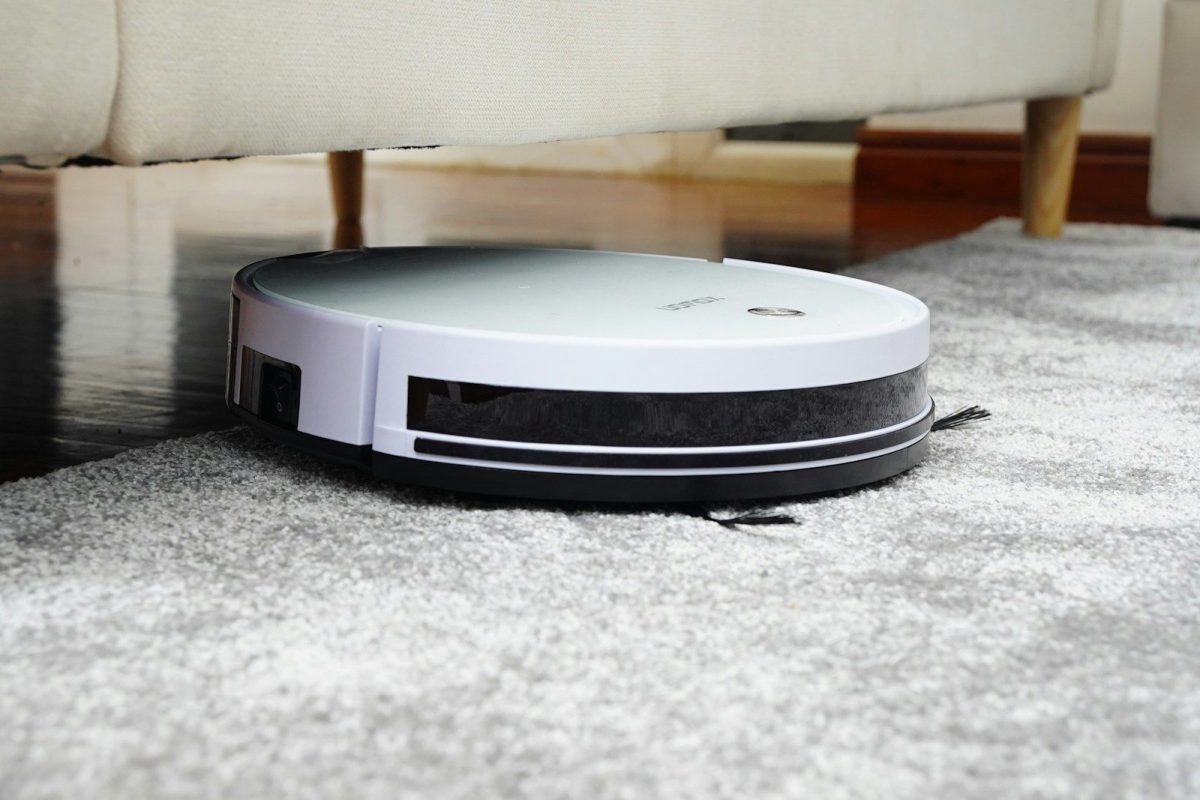
One source I used during my research was The Complete Guide to Robot Vacuum Arms by Dreametech. The article explains how engineers have begun adding robotic arms and claws to robot vacuums so they can do more than just clean floors. Some designs allow the robotic arm to pick up small objects, move obstacles, or retrieve items. However, many of these designs place the arm on top of the robot, which can make it difficult to reach under low furniture. My project takes a different approach by placing the claw at the front of the robot and keeping the top flat, allowing it to access tighter spaces.
Robotic arms on small robots can have both positive and negative impacts on humans. On the positive side, they can save time and effort by helping people retrieve lost items without moving heavy furniture. They may also be especially helpful for older adults or people with limited mobility. On the other hand, making a robot both small and powerful can be difficult. A lightweight robot may not be able to lift heavier objects, and adding a stronger arm could increase the robot’s size, cost, and complexity.
Engineers have experimented with robotic grippers on compact robots for years. Many earlier designs faced challenges because the arms were too large or positioned in ways that prevented the robot from fitting under furniture. These attempts have shown that the location and design of a robotic gripper are critical to its success. My project builds on these lessons by placing the claw at the front of the robot and using a flat-top design, helping it navigate under furniture while still reaching objects effectively.
Although designing robots with robotic arms can be challenging due to cost, reliability, and size limitations, engineers continue to improve these technologies. Some companies are exploring alternative solutions, such as robotic mop arms, but these designs cannot pick up objects. By focusing on a compact design with a front-mounted claw, my project offers a practical solution for retrieving items from difficult-to-reach places. As robotic technology continues to advance, innovations like these may make everyday tasks easier and more convenient for people around the world.
References
- https://ca.dreametech.com/blogs/blog/robot-vacuum-arm-guide?srsltid=AfmBOoqsS_i1wICcKNZYFF-1djc9WHp10u0PJkJ0z10HwDlbkQBNnPsB
- https://www.cnn.com/cnn-underscored/reviews/best-robot-vacuums
- https://us.roborock.com/pages/roborock-saros-z70?srsltid=AfmBOooJYn5bPJZk3wf44BPyqZxj3uMqmXDFCmpAeA8MXlUSCXhrfYVt#section14
- https://www.dreametech.com/blogs/blog/robot-vacuum-arm-guide
- https://www.dreametech.com/blogs/blog/robot-vacuum-arm-guide