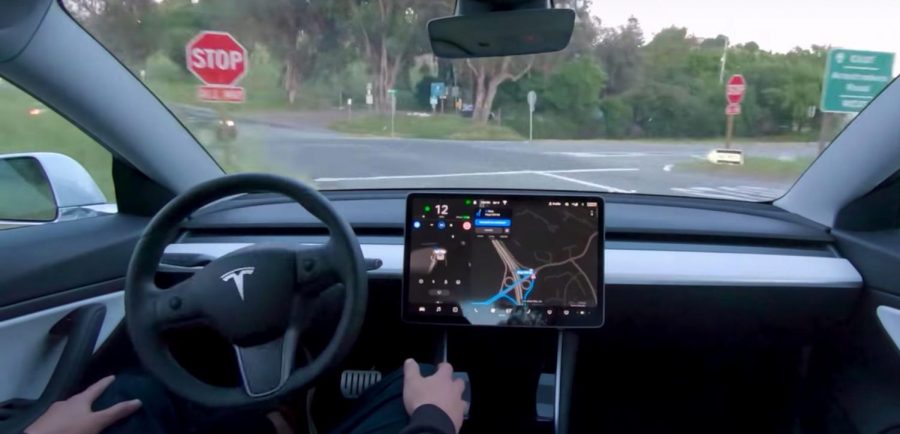
Self-driving cars are often presented as the future of transportation, a world where you could relax, take a nap, or use your time for other things while your car drives you safely to your destination. However, the reality today is that many self-driving systems still struggle with reliability and safety, especially in unpredictable situations. Because of this, self-driving cars often disappoint on the promise to make cars a “set-and-forget” mode of transport. What we need is a realistic, affordable solution that makes self-driving safer — one possible path is adding more cameras and remote monitoring.
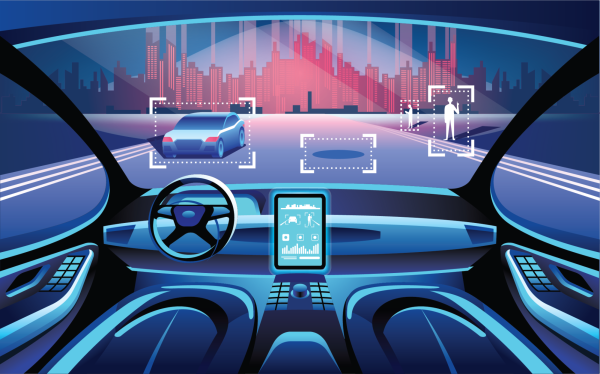
Self-driving cars use sensors, cameras, radar, sometimes lidar, and computer algorithms to navigate roads without human input. The appeal is strong: human error (distracted driving, drunk driving, fatigue) is responsible for a large share of traffic accidents. If auto vehicles were reliable, they could significantly reduce those accidents, potentially saving lives and reducing injuries.
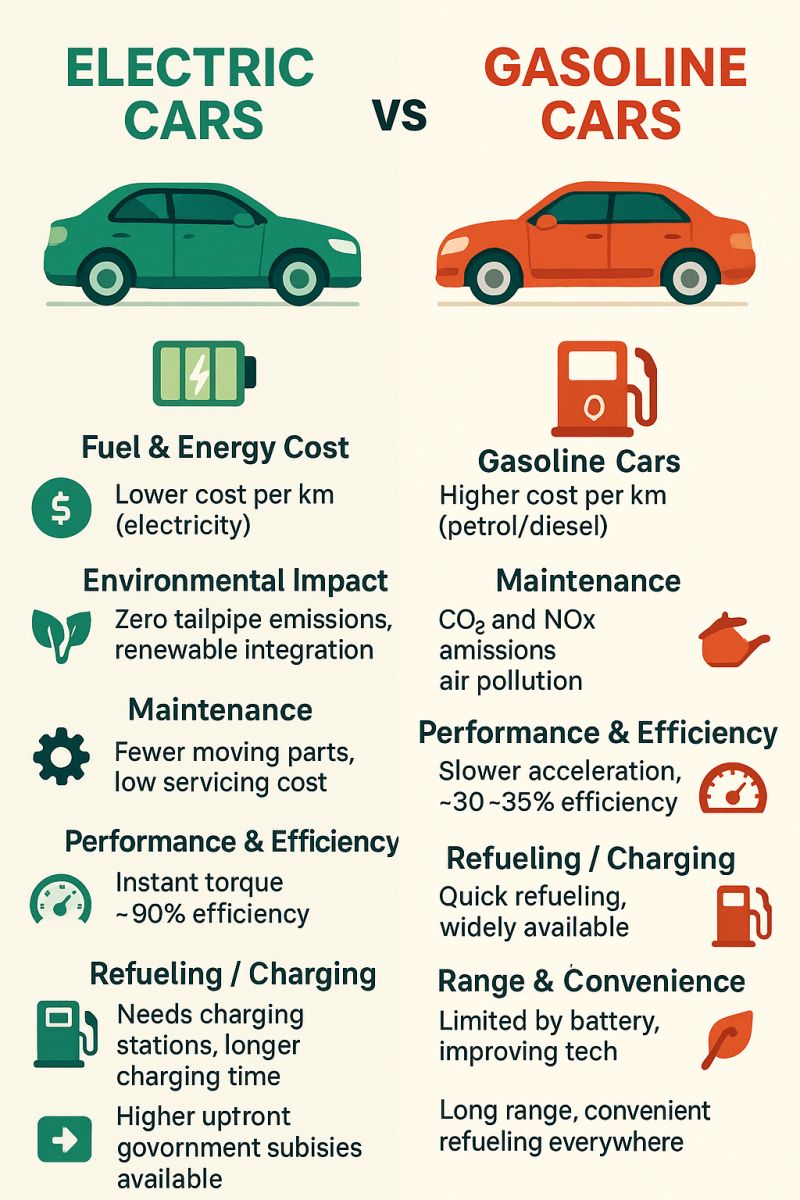
But self-driving cars face major challenges. Their sensors and software sometimes fail to detect obstacles, especially in complex situations like poor lighting, bad weather, unclear lanes, or unexpected human behavior. Also, because they rely on computer vision and programming rather than human “common sense,” they may misinterpret objects or road situations in ways a human driver wouldn’t. In addition, current regulation and testing frameworks are not yet strong enough: experts warn that fully automated vehicles have not yet proven they reduce road injuries or fatalities compared to human drivers. Despite these problems, self-driving cars — especially electric self-driving cars — still hold great potential for society. Autonomous and electric vehicles could reduce traffic fatalities, lower emissions, decrease congestion, and give mobility to people who can’t drive (elderly, disabled, those without a driver’s license). If we can make them safe and reliable, they could transform how people move, reduce the environmental footprint of transportation, and make cities more accessible.
To make self-driving cars safer while keeping costs affordable, I argue we should invest in adding more cameras and real-time remote monitoring. More cameras (and other sensors) would give the car better “vision” and reduce errors from blind spots, poor visibility, and sensor failures. Remote monitoring, where human supervisors or operators can observe what the car sees and intervene when needed, could catch situations the AI wasn’t programmed for: unusual obstacles, unpredictable behavior, tricky weather or road conditions. This extra layer of human oversight gives safety while still allowing the convenience of auto driving.
Self-driving cars offer a vision of easy, efficient, and eco-friendly transportation, but at the moment, they carry serious risks due to sensor and algorithm limitations, unpredictable environments, and gaps in regulation. The promise remains valuable, though, especially when we combine self-driving technology with sustainability goals like electric vehicles. By improving sensor coverage with more cameras and applying remote monitoring to back up their decisions, we can move closer to a future where self-driving cars are safe, reliable, affordable, and fulfill their potential to make transportation better for everyone.