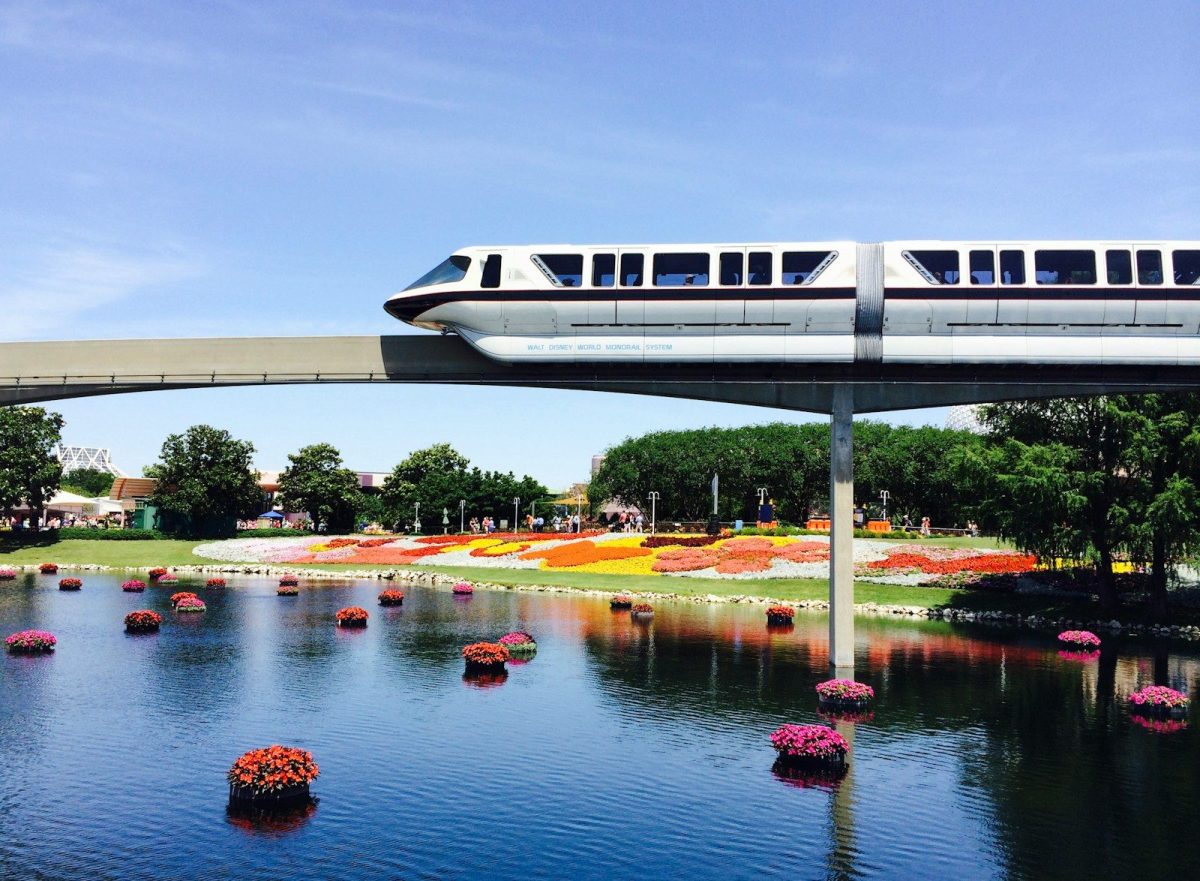
Air pollution is a major environmental challenge around the world. Many forms of transportation, including cars, airplanes, and some trains, rely on fossil fuels that release greenhouse gases into the atmosphere. Engineers are constantly searching for cleaner ways to move people and goods. One promising solution is the magnetic levitation, or “maglev,” train. Instead of using traditional wheels, maglev trains use powerful magnets to lift and move above the track, reducing friction and improving efficiency.
Transportation has changed greatly over time as engineers have searched for faster and cleaner methods of travel. Traditional trains have helped connect cities and transport large numbers of passengers, but many still depend on energy sources that contribute to pollution. Maglev technology was developed to solve some of these problems by using magnetic forces to lift and propel the train. This allows the train to travel smoothly at very high speeds while using less energy than many conventional transportation systems.
Maglev trains offer several environmental benefits. Because the train floats above the track, there is very little friction, which reduces energy waste. Maglev systems can be powered by electricity rather than fossil fuels, helping to lower greenhouse gas emissions when the electricity comes from clean energy sources. They are also quieter than many traditional trains and require less maintenance because there is less wear and tear on the train and track components.
Despite these advantages, maglev trains also have challenges. Building a maglev system is expensive because it requires specialized tracks, powerful magnets, and advanced technology. Large amounts of metal and other materials are needed during construction. Engineers must carefully design both the train and the track to ensure safety, stability, and efficiency. These challenges make maglev systems difficult for some communities to afford, even though they offer long-term environmental benefits.
Experts believe that maglev trains could play an important role in the future of sustainable transportation. As technology improves and clean energy becomes more common, maglev systems may become more practical and affordable. By reducing reliance on fossil fuels and providing fast, efficient travel, maglev trains have the potential to help lower pollution and protect the environment. While they are not a complete solution to environmental problems, they represent an exciting example of how engineering can create cleaner transportation for future generations.
References