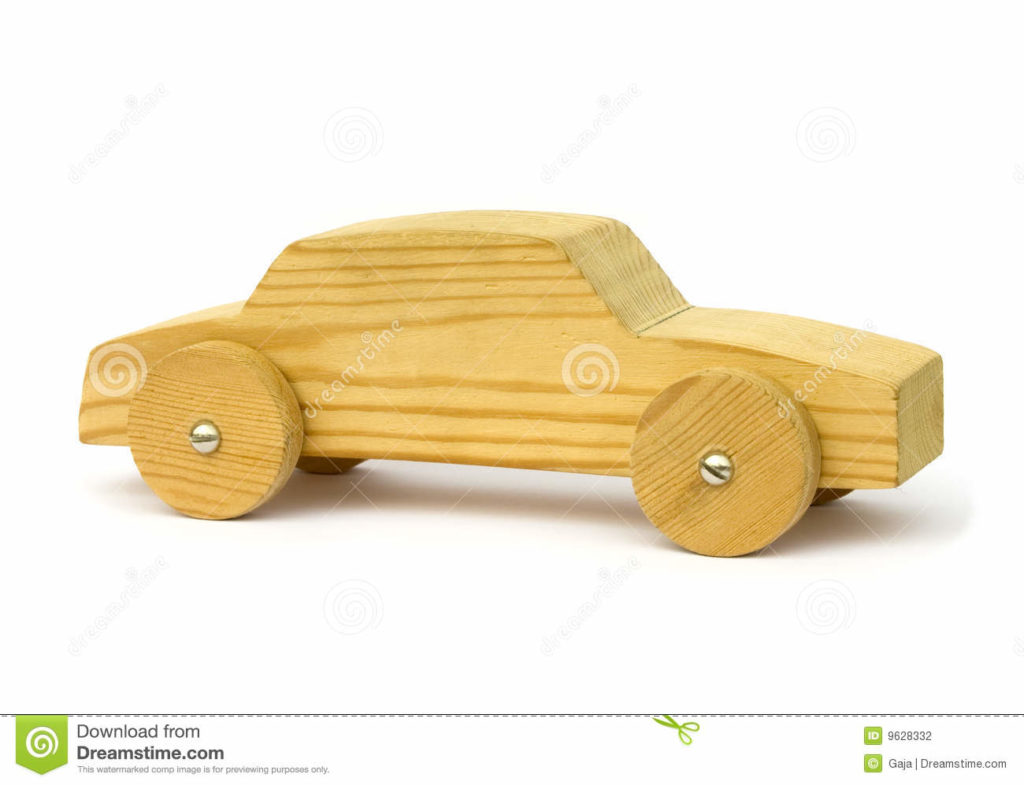
Have you ever wondered how race cars are designed to move so fast? Engineers must carefully balance weight, aerodynamics, and strength to create vehicles that can travel at high speeds. A CO₂ dragster is a small wooden car powered by a carbon dioxide cartridge, and it helps students learn important engineering concepts while exploring how design choices affect performance.
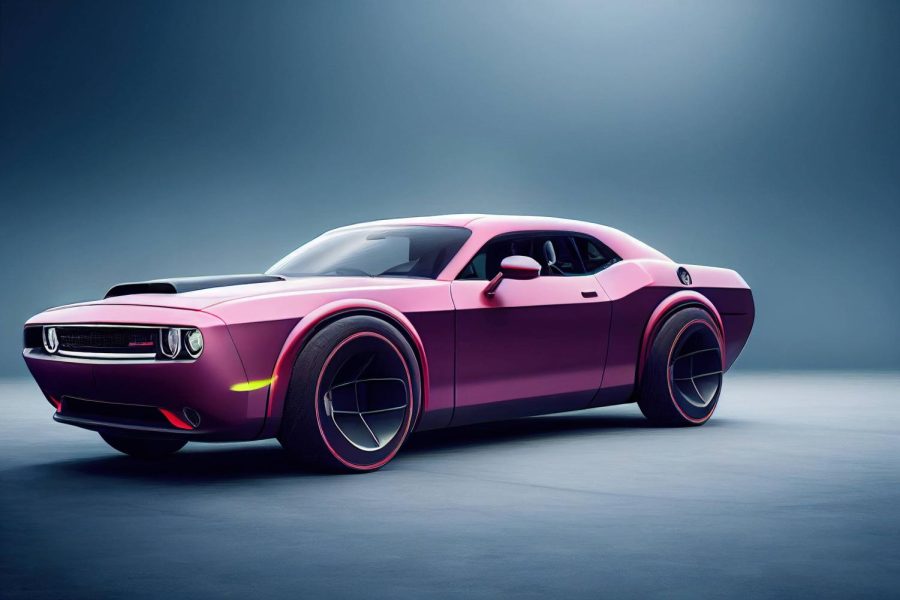
One challenge in designing a CO₂ dragster is creating a car that is both lightweight and aerodynamic. According to research from Atwater Senior Academy, drag is the force that slows a vehicle down as it moves through the air. Engineers reduce drag by designing smooth, streamlined shapes that allow air to flow around the vehicle more easily. The shape of the car can have a major impact on how fast it travels.
The CO₂ dragster project helps students understand engineering and problem-solving. By testing different designs, students learn how aerodynamics, weight distribution, and structural strength work together. A lighter car can often move faster, but if it is too light or poorly balanced, it may become unstable. Through trial and error, students discover how engineers improve designs to achieve the best results.
Like any project, CO₂ dragsters have both benefits and drawbacks. One positive impact is that students gain hands-on experience with engineering design and scientific testing. However, building multiple prototypes can use extra wood, and each race requires a carbon dioxide cartridge. Even so, the educational value of learning design principles and problem-solving skills often outweighs these challenges.
In conclusion, CO₂ dragsters are more than just miniature race cars. They teach students about aerodynamics, engineering, and the importance of testing and improving designs. By understanding how weight, friction, and air resistance affect speed, students gain valuable knowledge that can be applied to future technologies and transportation systems. Projects like these inspire the next generation of engineers to design faster, safer, and more efficient vehicles.
Reference