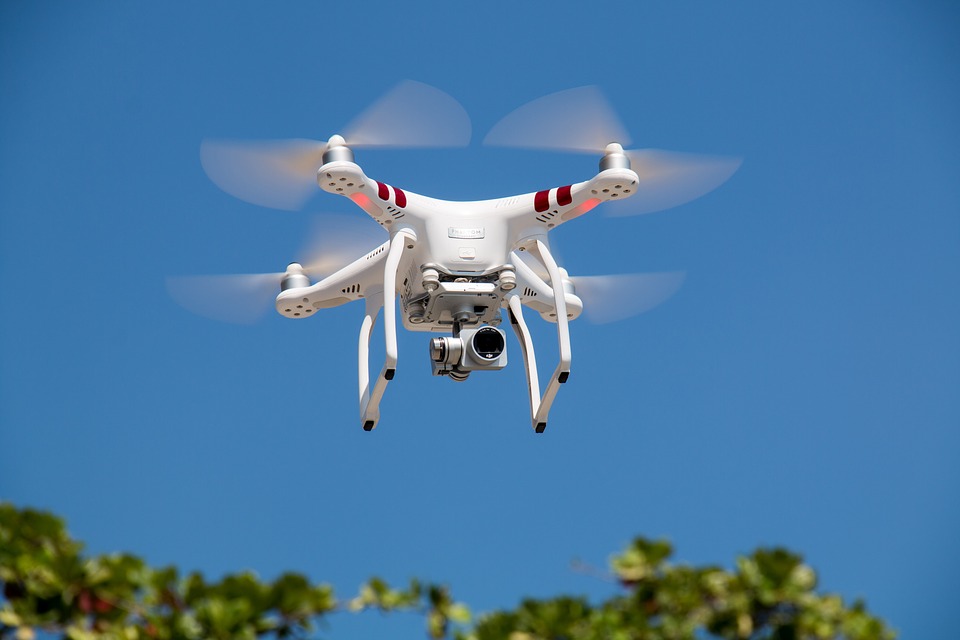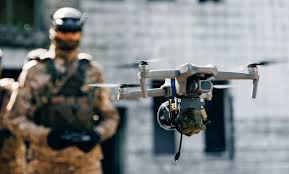
In the modern world, drones, remotely piloted or free flying machines, have changed how wars are fought and how governments try to protect their citizens. While drone technology has many beneficial uses, government military programs often use armed drones in ways that cause collateral damage, such as injuries and deaths of innocent people not involved in conflict. Many experts argue this is because current systems lack sufficient regulation and ethical safeguards. To make drone use better for society, we need to shift away from armed warfare toward peaceful and regulated technological development.
Existing Solutions
Some attempts to reduce civilian harm focus on precision technology, improved targeting systems, and stricter rules for when drone strikes can be used. For example, policies under U.S. leadership have tried to add transparency and reduce errors in military strikes. However, even with these efforts, civilian casualties continue because accuracy cannot remove all mistakes, and strikes are sometimes carried out without clear oversight or alternative options like capture or negotiation. Moreover, the rapid growth of cheap drones means non-state groups and weaker militaries also use them, making conflict environments more unpredictable and dangerous.
What Hasn’t Worked So Far
Past solutions often assumed that simply improving drone technology or adding rules would protect civilians, but this has been too limited. Technical advances alone cannot solvCe the ethical and strategic issues of armed drones. For instance, the assumption that drones always make war “safer” has been challenged by researchers pointing out that reliance on drones can distort military strategies and lead to poor decision-making or escalation of violence. Additionally, many military policies still allow strikes based on broad definitions of threats, which increases the risk to noncombatants.
Current Risks
Experts agree that drones have some useful features like reducing risk to pilots, offering high-resolution aerial surveillance, and being adaptable for peaceful civilian uses such as disaster relief or scientific research, but warn that these benefits can be overshadowed by dangers when drones are used for combat. Some military analysts highlight risks including escalating warfare, misuse by extremist groups, and loss of accountability when decisions are remote or automated. Most effective design features for reducing harm include strict geofencing, robust identification systems to distinguish civilians from combatants, and systems that allow human oversight at every stage. Independent monitoring and international legal standards are also seen as key safeguards.
Better Use of Drones
To improve both technology and its impact on society, stronger international regulations and ethical guidelines are essential. This means restricting the use of armed drones, promoting transparency about when and how they are deployed, and investing more in non-lethal applications like environmental monitoring, search and rescue, or infrastructure inspection. Encouraging technology sharing for peaceful uses across countries can help build trust and cooperation instead of escalating conflict. These changes could preserve the advantages of drones, such as safety for operators and lower costs while minimizing the risks of collateral harm.
Drones have reshaped warfare and continue to evolve quickly. While they can reduce risks to military personnel and provide important capabilities, current armed drone programs often fail to protect innocent civilians and can increase the severity of conflicts. By learning from past limitations, focusing on non-combat technological development, and enforcing strict international regulations, drone technology can be improved and used for the benefit of society rather than destruction.
Sources & Further Reading
https://www.visionofhumanity.org/how-drones-have-shaped-the-nature-of-conflict/ https://mwi.westpoint.edu/drones-wont-save-us-learning-the-wrong-lessons-from-ukraine-will-cost-the-us-army-its-edge-in-maneuver-warfare/ https://www.ifri.org/en/papers/design-destroy-dominate-mass-drone-warfare-potential-military-revolution
https://www.britannica.com/procon/drones-debate