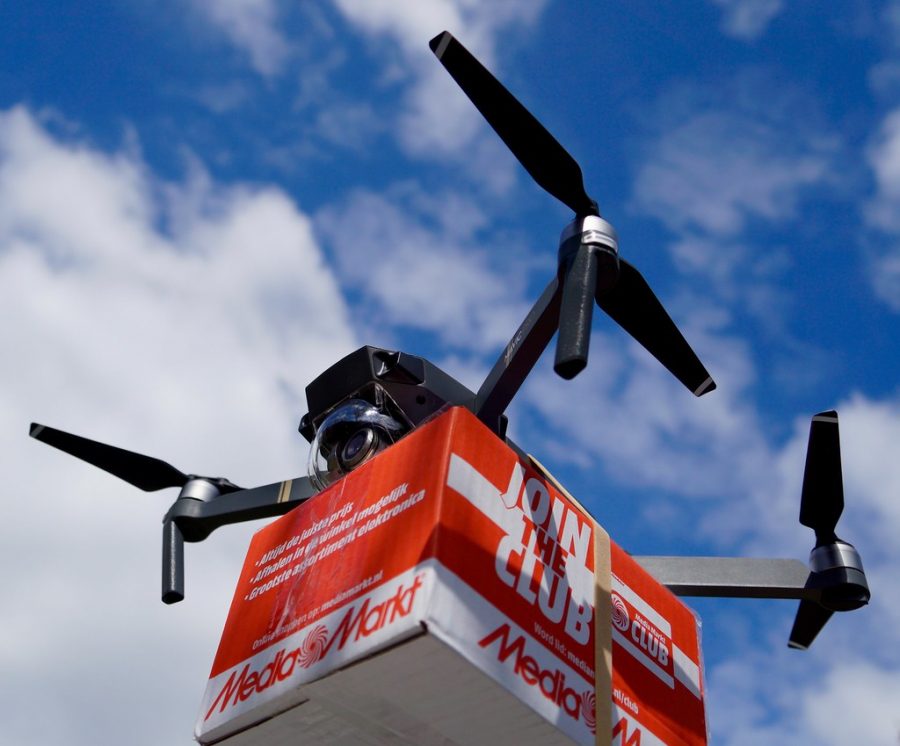
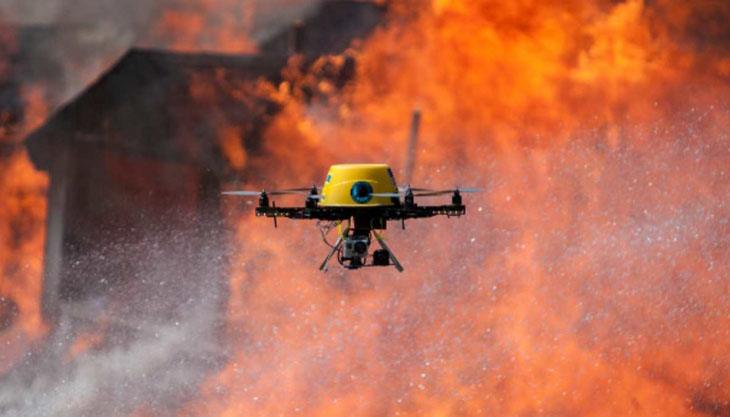
Drones are powerful tools that can improve society in many ways like helping farmers monitor crops or aiding first responders in disaster zones but they also carry risks, especially when they malfunction and fall from the sky. Your problem statement correctly highlights that a drone malfunction could cause damage to people or property, and adding safety features like backup motors could make them safer but also more expensive. There are already solutions and technologies aimed at reducing dangers, but experts continue to debate how to balance safety, cost, and usefulness.
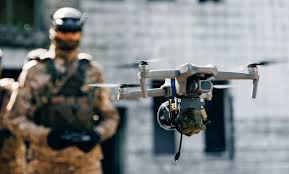
To address drone safety and misuse, engineers and authorities have developed monitoring and defense systems. For example, at the U.S. southern border, law enforcement is using detection networks to track unauthorized drones and improve responsible operation, showing that monitoring can reduce danger from misuse but doesn’t fix the physical risk of crashes. Other technologies, such as high-power microwave systems, have been created to disable dangerous drones from a distance, which can mitigate threats but are expensive, heavy, and designed more for military use than everyday drones. These solutions partly work but don’t directly prevent a malfunctioning civilian drone from falling out of the sky.
Previous attempts to make drones inherently safer like adding redundancy or stronger materials have often struggled because they increase weight and cost, making drones less affordable and accessible. Experts point out that beyond hardware failures, risks include misuse (such as surveillance or illegal activity), collisions with other aircraft, and loss of control in sensitive areas. These issues show that safety isn’t only about hardware reliability but also about regulation, tracking, and intelligent control systems. AI-powered systems, like those used by Japanese police in disaster areas to prevent crime, highlight how smarter software can improve safety and usefulness, but they also raise questions about privacy and complexity.
Some of the most effective design features that have emerged include integrated safety sensors, autonomous flight controls that can detect obstacles, and real-time tracking systems that alert operators to potential issues before they happen. Engineers also use redundancy (like multiple propellers or backup systems) in higher-end drones to reduce the chance of total failure—even though that increases cost. Advanced vision systems and AI can improve reliability and help drones respond to unexpected problems without crashing. These design approaches help reduce the likelihood of dangerous drop-outs and collisions when implemented correctly.
Drones have a huge impact on society. They help with fast transportation, improve crop production, assist in disaster response, and even help law enforcement monitor dangerous areas. However, they can also create air pollution, pose dangers when they crash into each other or other objects, and cost money to make safer. Making drones safer with features like backup motors or smarter controls will likely increase costs, but it is a trade-off worth exploring as drones become more integrated into everyday life. Engineers and policymakers must continue innovating and regulating so that the benefits of drones outweigh their risks.