The Main Problem of AI
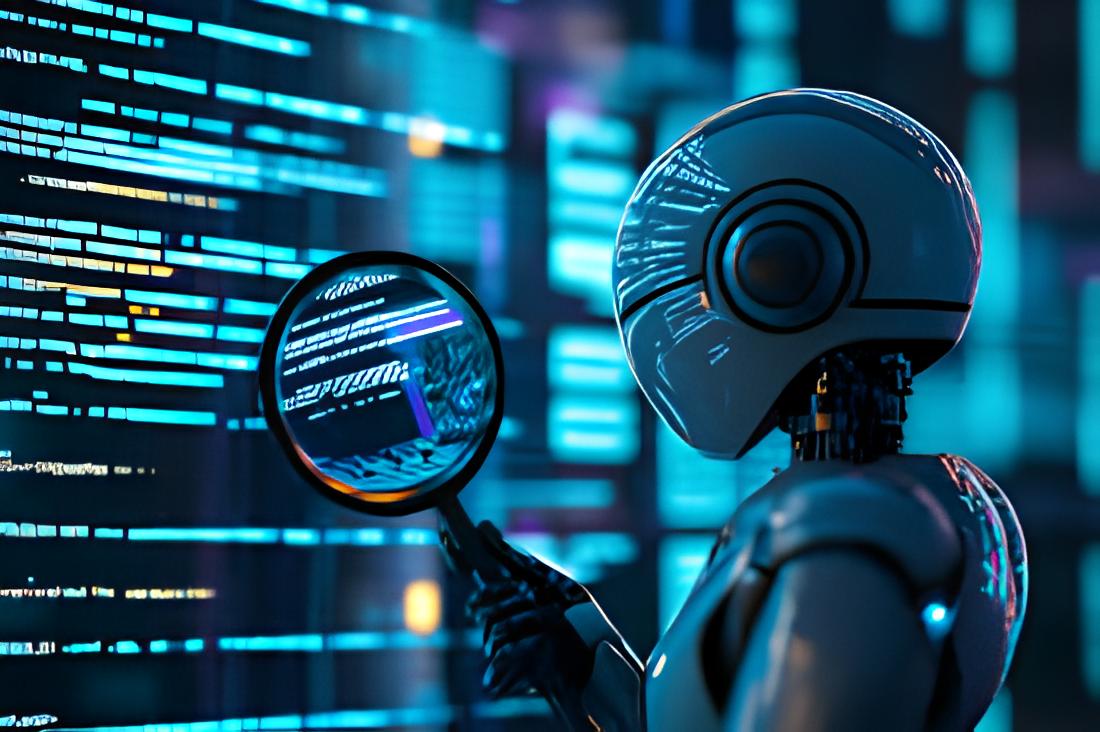
Artificial intelligence has caused conflicts in industries, education, and even daily life by making tasks easier, increasing efficiency, and providing advice at a rapid pace. The result of this constant development, however, has led to some serious problems, especially around its potential to be misused for illegal actions. The way AI can generate texts, answer questions, or even assist with writing and coding has created fear that it may be used for illicit purposes. With AI embedding itself within society, it continues to constantly create conflicts.
Solutions and Their Shortcomings
Some efforts have been made to adapt against AI and prevent its misuse, especially in education. According to Walden University, some schools have instituted software tools designed to prevent students from using AI to cheat, such as AI-driven checkers and monitoring tools. Other institutions are creating AI tools that track and limit the way students use AI to complete assignments. This does not, however, imply that the misuse of AI has entirely stopped. The rapid advance of AI means that new methods for attempting to cheat and evade controls continually emerge. In addition, these solutions often relate to niche areas, such as education, but ignore wider applications, such as intellectual property theft or job displacement.
What Didn’t Work About Past Solutions
Despite the efforts to prevent AI misuse, past solutions to AI misuse have often fallen short. The article from Harvard Gazette captures that AI’s increasingly large role in decision-making includes hiring, healthcare, and criminal justice. Past solutions did not consider the full complexity of AI’s impact on these areas, including accountability and transparency. For instance, AI systems used in hiring have been found to be biased, hence undermining fairness (Harvard Gazette). This means that regulations are still trying to catch up with technology, and there’s a gap in understanding how AI can affect sensitive areas of society. Furthermore, many of the earlier tools were reactive, not proactive; they only fix problems after they have occurred.
Risks Identified by Experts
Experts warn that AI’s biggest risks stem from the potential of reproducing human decision-making without human oversight, resulting in ethical issues. Washington State University identifies one major concern: job loss due to the automation of tasks by AI. Major sectors, such as manufacturing and customer service, may end up laying off considerable numbers of workers because tasks are becoming increasingly automated. The University of Cincinnati article mentions another complication: the ease with which AI copies and generates content creates serious problems for intellectual property. Artists, video creators, and other content producers could lose significant revenue as AI tools are used to produce copies of their work without permission. This raises very significant questions about how society can protect the rights of creators in an era when AI produces works that look indistinguishable from human-made content.
Effective Design Features and the Way Forward
Safeguards need to be built into these systems so that they are transparent, accountable, and do not infringe on intellectual property rights. According to the University of Illinois, many AI systems being used in schools include monitoring software to prevent cheating, making them more effective in preventing unfairness at schools and colleges. However, experts say these safeguards should extend to include features such as preventing AI from generating content that infringes on copyright laws. Transparent algorithms explaining how decisions are made could also help mitigate bias and ensure the use of AI is ethical, according to the Harvard Gazette. As AI technology becomes increasingly advanced, it will be particularly important to find a balance between allowing innovation while preserving the rights and jobs of individuals.
The Need for Ethical Regulations
AI can improve many aspects of society, from efficiency in the workplace to the learning process in schools. At the same time, it provides both an advantage and a disadvantage in terms of AI usage. Providing a legal ban on AI copying and/or stealing content created by other people will help to preserve the intellectual property rights of producers and prevent representatives of certain groups from taking advantage of people who put in great effort and imagination. Additionally, a ceiling on the number of human jobs that AI can replace will go a long way in preventing technological disruption to the economy and increasing inequality. With stronger regulations and a tendency toward ethical design features in AI development, we have the ability to maximize benefits while minimizing risks, ensuring that AI will serve society responsibly and equitably.
Sources
https://education.illinois.edu/about/news-events/news/article/2024/10/24/ai-in-schools–pros-and-cons
https://www.waldenu.edu/programs/education/resource/five-pros-and-cons-of-ai-in-the-education-sector
https://provost.wsu.edu/benefits-of-ai/
https://www.online.uc.edu/content/uc/news/articles/uco/artificial-intelligence-ai-benefits.html