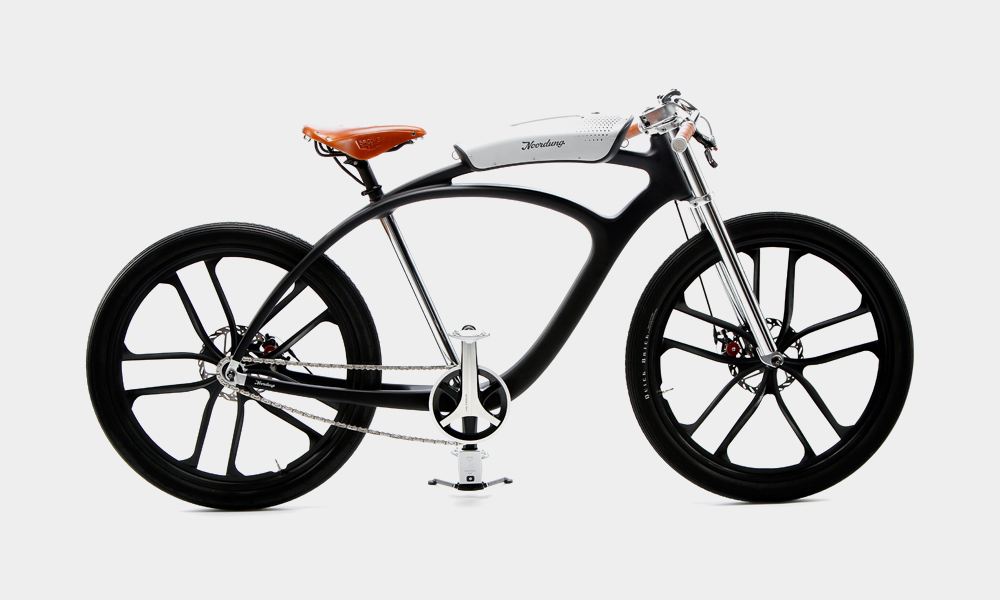
E-bikes offer a sustainable, cost-effective, and practical alternative to driving. They help people by reducing commute times, bypassing traffic, and providing sweat-free exercise. For the environment, e-bikes produce zero tailpipe emissions, require significantly less energy and raw materials than cars, and dramatically reduce a rider’s carbon footprint.
How E-Bikes Help People:
-
- Accessible Commuting: The pedal-assist motor makes cycling up hills and over longer distances effortless, allowing you to commute to work or run errands without arriving sweaty or exhausted.
- Health Benefits: Even with an electric motor, riders still pedal. This form of active transportation improves cardiovascular health and boosts mental well-being.
- Significant Financial Savings: E-bikes are inexpensive to charge (often costing less than a penny per mile) and bypass the heavy costs associated with gas, car insurance, maintenance, and parking.
- Time Efficiency: In dense areas like the Merrifield/Washington D.C. region, e-bikes can often bypass gridlocked traffic and eliminate the time wasted searching for parking.
How E-Bikes Help the Environment:
-
- Zero Direct Emissions: E-bikes produce no tailpipe emissions when in use, which directly improves local air quality and reduces smog-forming pollutants in urban areas.
- Hyper-Energy Efficiency: E-bikes use up to 90% less carbon dioxide and energy to travel the same distance as motorized vehicles. They are significantly more efficient than electric cars, requiring much smaller batteries and fewer raw resources to manufacture.
- Reduced Traffic & Noise Pollution: By replacing short-to-moderate car trips, e-bikes alleviate traffic congestion and operate quietly, which helps mitigate noise pollution in neighborhoods.
While there is community consensus on the environmental benefits of riding an e-bike, riders and climate experts on Reddit do point out that the manufacturing of lithium-ion batteries and improper disposal can have negative ecological impacts, emphasizing the importance of responsible recycling at the end of a battery’s life.
References and Further Reading:
- https://www.mainelybicycle.com/post/health-and-environmental-benefits-of-e-bikes
- https://sustainability.anu.edu.au/options-for-owning-an-e-bike
- https://itdp.org/2024/03/12/why-we-need-e-bikes-as-a-climate-and-mobility-solution/
- https://bicyclenetwork.com.au/tips-resources/know-how/ebike-advantage/
- https://evelo.com/blogs/learn/how-ebikes-contribute-to-sustainable-urban-living?srsltid=AfmBOorSNAFCf_xoXiqGuLyH5LstJT71Z58HFJiLVHxZE_0nmIlT-GT9