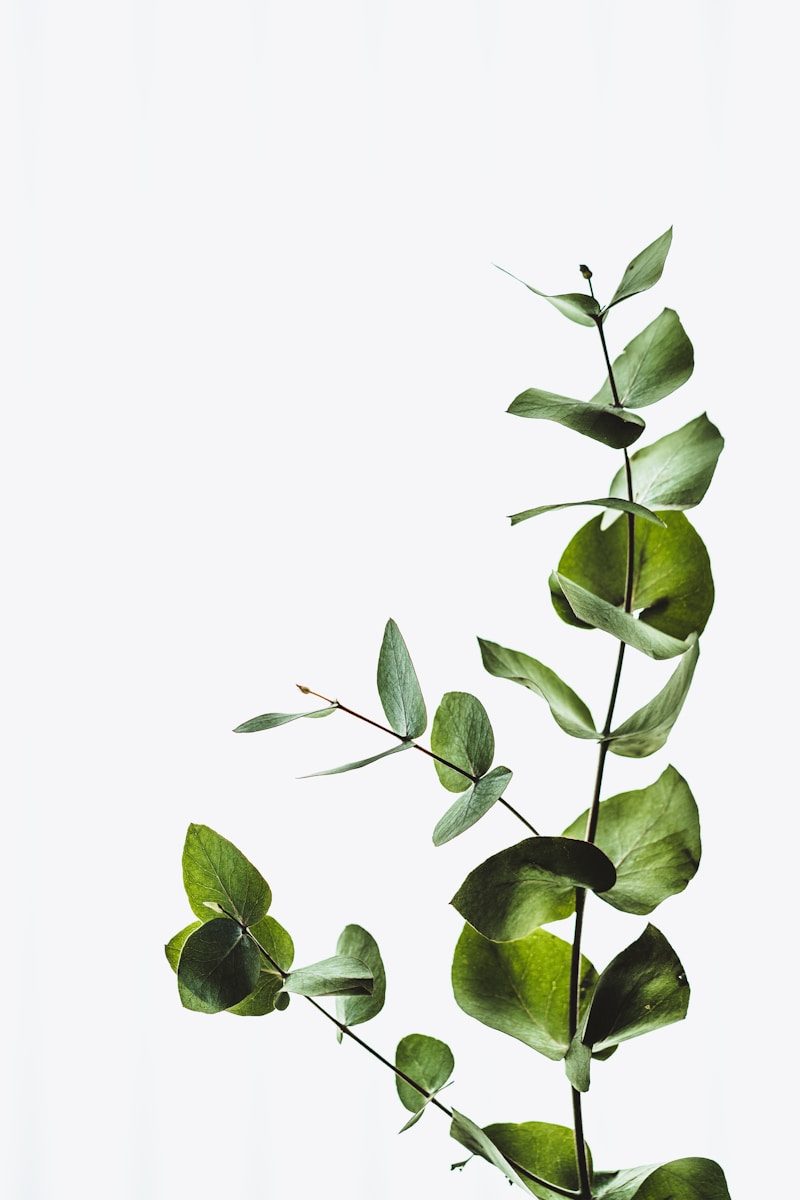
Many plant owners struggle to keep their plants healthy because they do not have enough space near a window. Without enough sunlight, plants can become weak, stop growing, or even die. This can be frustrating for people who want to grow plants indoors. Engineers and scientists have developed solutions that help plants grow even when natural sunlight is not available.
According to the article “6 Ways to Revive a Dying Indoor Plant,” one of the most common reasons indoor plants struggle is a lack of light. Plants use light to make food through a process called photosynthesis. When they do not receive enough light, their leaves may turn yellow, growth may slow down, and the plant may eventually die. Because of this, finding an alternative source of light is important.
One possible solution is using artificial grow lights. Grow lights provide the light plants need to survive and grow, even in places where sunlight is limited. These lights can be placed in bedrooms, garages, basements, or other indoor spaces. This allows people to create gardens in locations that would normally be unsuitable for plants.
There are both advantages and disadvantages to using grow lights. A positive impact is that plants can be placed almost anywhere, giving owners more flexibility and making indoor gardening easier. A negative impact is that grow lights use electricity, which can increase energy costs. However, many modern LED grow lights are designed to use less energy while still helping plants thrive.
Experts often recommend moving plants to brighter locations when they are not getting enough sunlight. Grow lights offer another effective solution when a brighter location is not available. By providing plants with the light they need, these devices can help plant owners keep their plants healthy and enjoy gardening in almost any indoor space.
Reference