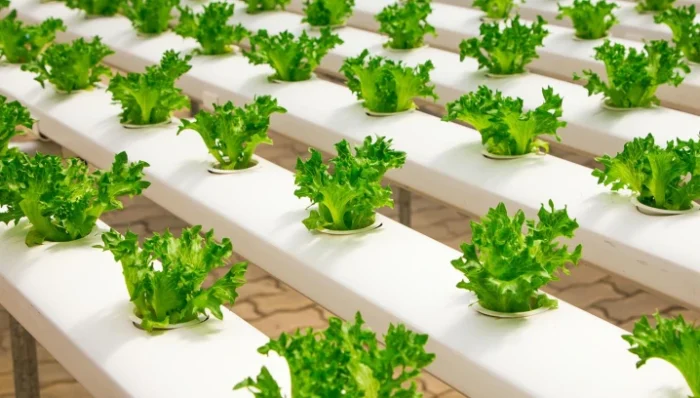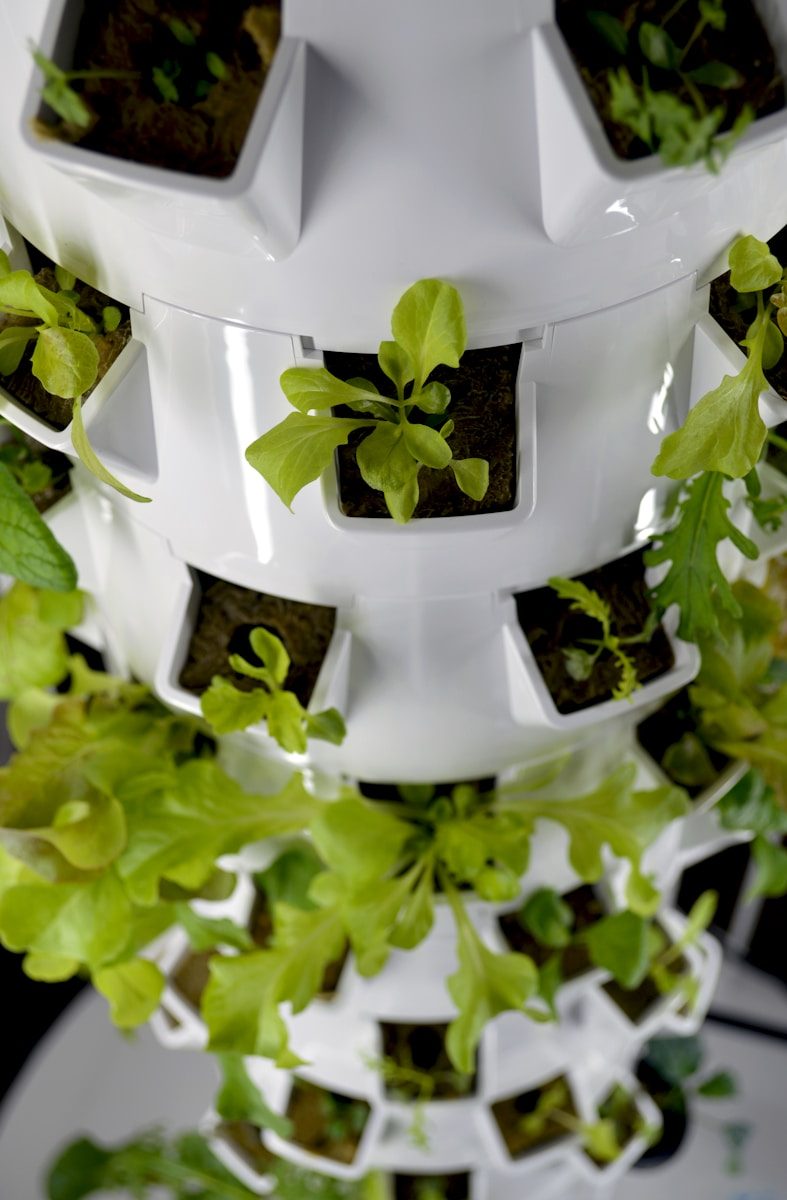
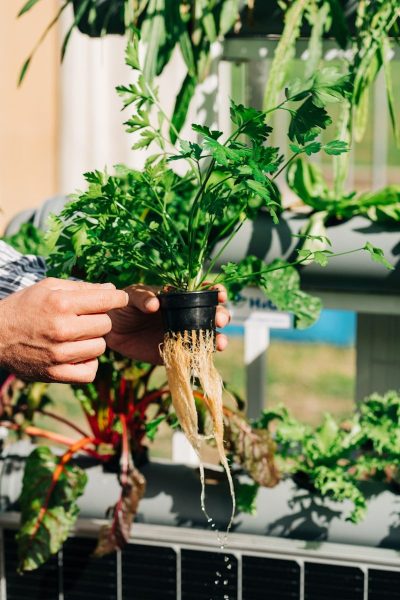
As cities continue to grow, finding enough land to produce food has become a challenge. Many urban areas have limited space for traditional farms and gardens. Engineers and scientists are developing new ways to grow food in smaller spaces while using fewer natural resources. One promising solution is hydroponics, a method of growing plants without soil. Plants receive nutrients through water instead of through soil, allowing food to be grown in places where traditional farming may not be possible.
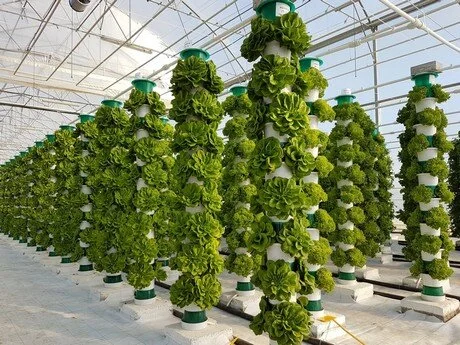
Hydroponics offers many benefits for both people and the environment. One major advantage is that it requires much less land than traditional farming. Plants can be grown indoors, on rooftops, or in vertical systems that stack crops upward instead of spreading them across large fields. Hydroponic systems also use significantly less water because the water is recycled through the system rather than being absorbed into the ground. This makes hydroponics an environmentally friendly option, especially in areas where water is limited.
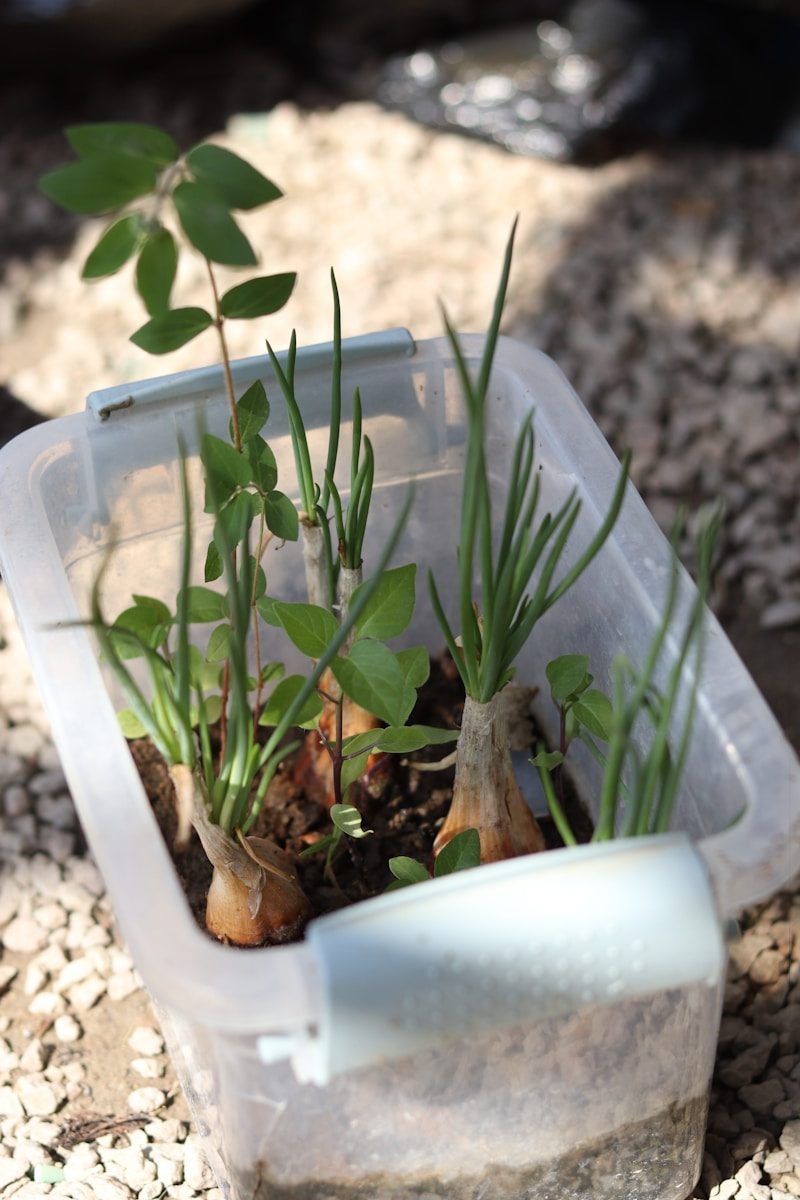
Another benefit of hydroponics is that it can help communities gain access to fresh fruits and vegetables. According to Heather Jo Flores in her article about finding places to grow food, people can use creative spaces such as rooftops, containers, and unused lots for gardening. Hydroponic systems make it possible to grow food in many of these locations. By producing food closer to where people live, hydroponics can reduce transportation needs and lower the carbon footprint associated with delivering produce over long distances.
However, hydroponics also has some disadvantages. Setting up a hydroponic system can be expensive because it often requires pumps, lighting systems, sensors, and other equipment. Some systems also use electricity, which can increase costs. In addition, traditional farms may face increased competition if more people grow food locally. While hydroponics is not likely to replace all farming, it may change how some food is produced and sold. Another option for growing food in limited spaces is community gardening, where people work together to maintain shared gardens. Community gardens provide many benefits, but disagreements can sometimes arise when multiple people share the same space.
Overall, hydroponics is an innovative solution to the challenge of growing food in areas with limited land. Although it can be costly to set up, its ability to conserve water, reduce land use, and provide fresh produce makes it an attractive option for the future. As technology continues to improve, hydroponics may become more affordable and accessible to more people. By combining engineering, science, and sustainability, hydroponics has the potential to help feed growing populations while protecting the environment.
References:
- https://www.permaculturewomen.com/access-to-land/
- https://agriculture.ny.gov/community-gardens
- https://www.gardeningknowhow.com/gardening-pros-cons/pros-and-cons-of-community-gardening
- https://www.onenewhumanitycdc.org/blog/the-benefits-of-community-gardens
- https://www.sierraclub.org/sierra/hydroponics-may-be-future-urban-farming
- https://atlas-scientific.com/blog/hydroponics-pros-and-cons/?srsltid=AfmBOopWF4cvU7-oUoXllKxg8eggFLTuJjOmsalwVzfy8uya2tQvihxk