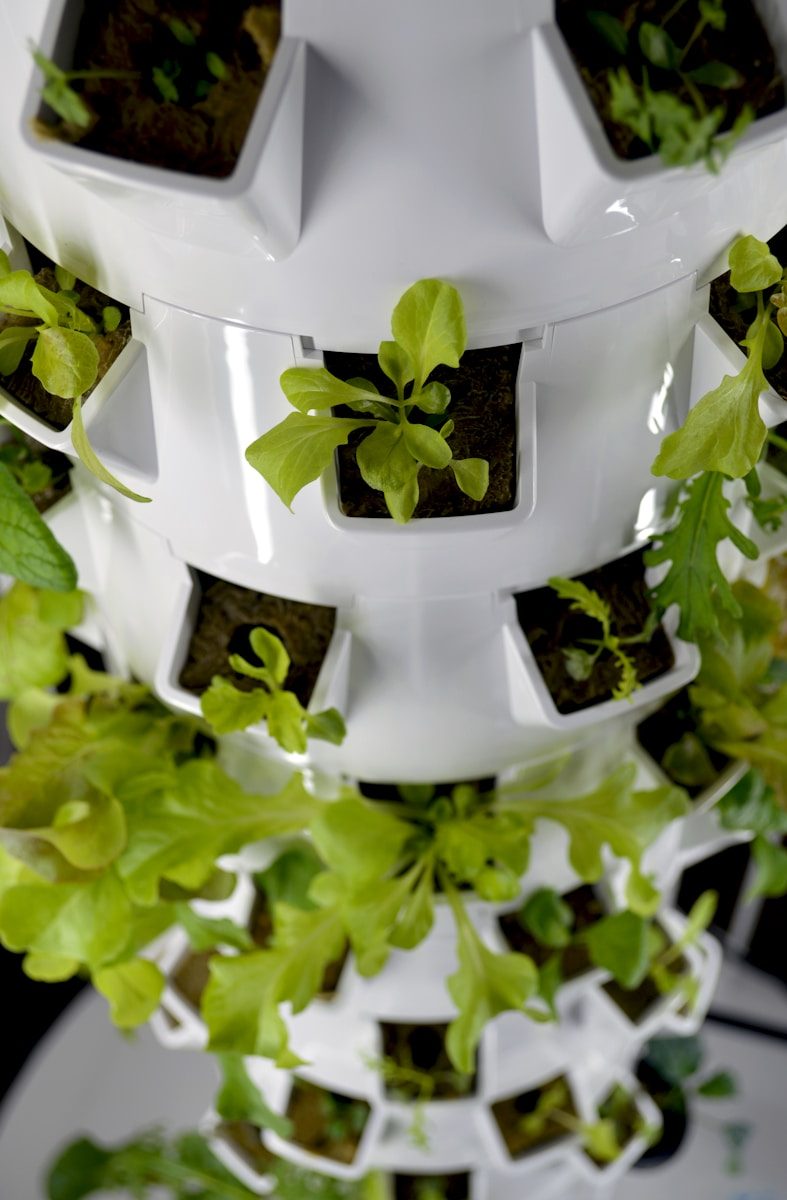
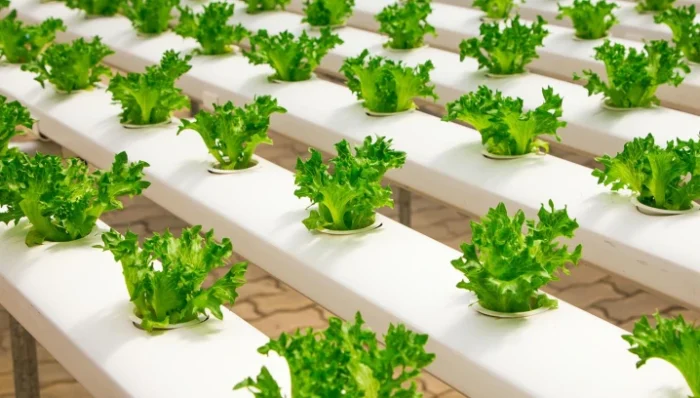
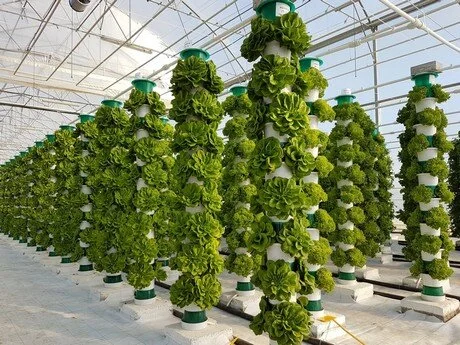
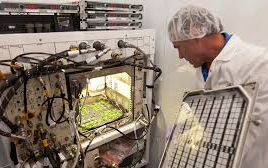
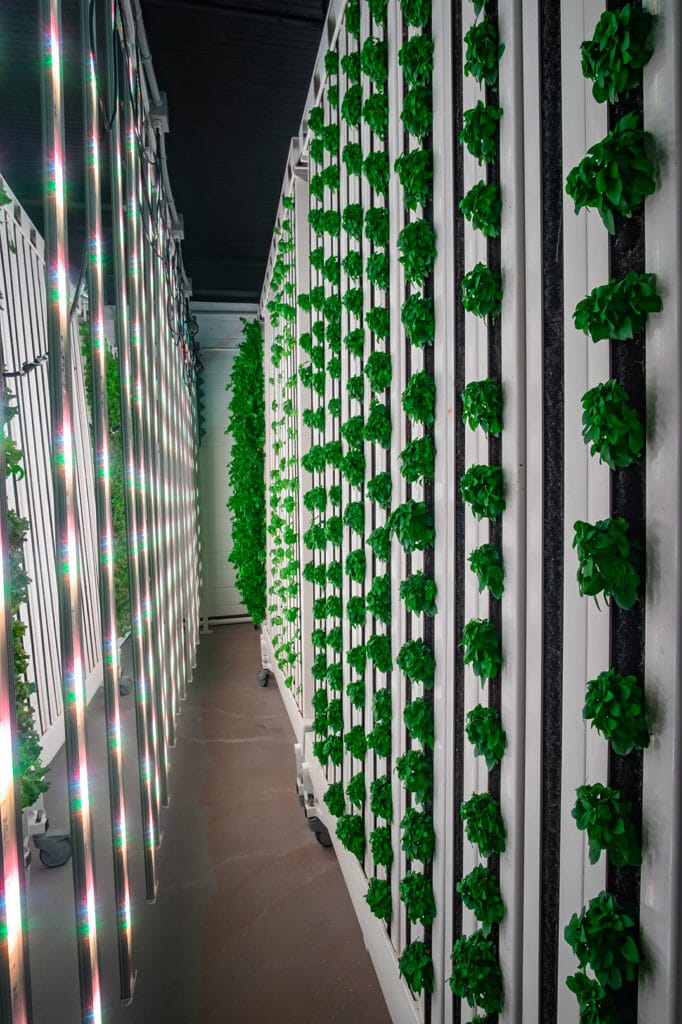
Sustainable farming is becoming more possible and exciting thanks to new technologies that help plants grow with less water, land, and fewer harmful chemicals. Schools, neighborhoods, and technology startups are experimenting with systems like hydroponics—growing plants in nutrient solutions instead of soil—and with sensors, solar power, and smart software that watch and manage plant health. These innovations can reduce waste, lower carbon footprints, and bring fresh food closer to the people who need it.
Hydroponic systems work best when their water, nutrients, light, and airflow are monitored and adjusted continuously. Integrating sensors (for monitoring pH, electrical conductivity, temperature, and light), cameras, and a network of devices and systems lets computers fine-tune nutrient dosing and lighting schedules in real time. Pairing those sensors with renewable energy, such as rooftop solar powering pumps and lights, makes hydroponics far more sustainable by cutting electricity use and emissions. Also, adding AI image analysis can help detect signs or indications of disease earlier than a human can, so interventions could be quicker and easier to take care of. These combined steps—sensors, AI, renewable power, remote control—are the practical path to a more efficient hydroponics system.
Across larger farms, precision agriculture (GPS guidance, drones, soil and crop sensors, and automated machinery) lets farmers apply water, fertilizer, and pest controls only where and when crops need them, lowering costs and environmental impact. AI and data analytics can combine satellite images, local sensors, and weather forecasts to predict disease outbreaks or irrigation needs so farmers take preventive action. Robotics and automation can handle repetitive or physically hard tasks—which helps where labor is scarce—while digital tools and better connectivity (cellular, satellite) let small producers tap market information, training, and weather alerts. Together these technologies raise yields, reduce waste, and give farmers better decisions with real-time data.
Accessibility depends on lowering cost, simplifying interfaces, and supporting training and financing. Community programs, school projects, and urban agriculture initiatives make hydroponics and small controlled-environment farms approachable for neighborhoods with limited land. Public funding, grants, cooperative ownership models, and shared-equipment hubs reduce upfront barriers. Open-source hardware and low-cost sensor kits, paired with easy phone apps for monitoring, let students and small growers run reliable systems without technical backgrounds. Policy and extension programs that fund training and public renewable-powered systems help broaden access so sustainability isn’t only for big companies.
Technology won’t replace good farming knowledge, but it can extend it, helping us grow more food with fewer resources and making local, and making fresh produce easier to produce in cities and small communities. By combining sensors, AI, renewable energy, automation, and fair financing or community programs, hydroponics and precision farming can become both greener and more available to everyone, including middle-school classrooms that want to learn by doing. Starting with simple sensor kits, a shared garden, or a solar-powered hydroponic shelf, we can lead the next generation of sustainable farming.
Works Cited
Abdelhamid, M. A., et al. (2025). Sustainable hydroponic production using solar energy and treated greywater within the water-energy-food-environment nexus. https://www.nature.com/articles/s41598-025-16030-4.
U.S. Government Accountability Office. (2024). Precision agriculture: Benefits and challenges for technology adoption and use. https://www.gao.gov/products/gao-24-105962.
Kanosvamhira, T. P. (2024). Sustainable urban agriculture: Unlocking the potential of home gardens and urban farms. https://www.tandfonline.com/doi/full/10.1080/00330124.2024.2355179