Many farmers and low-income communities struggle to produce enough food because traditional farming can be slow, unpredictable, and affected by weather. Droughts, poor soil, and changing temperatures can make it difficult to grow healthy crops. As the world’s population continues to grow, finding reliable and affordable ways to produce food is becoming more important. One promising solution is hydroponics, a method of growing plants without soil.
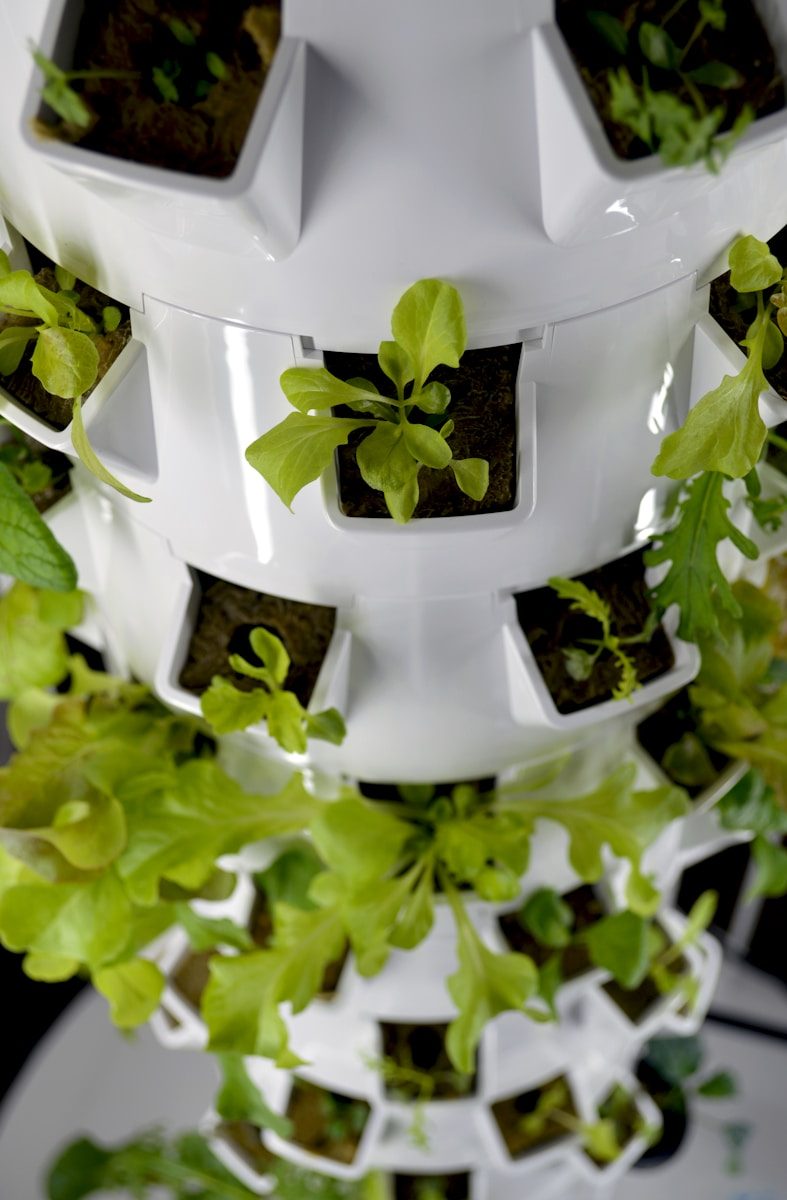
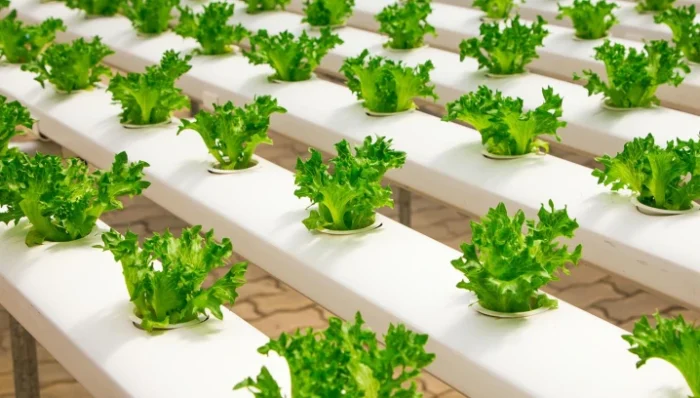
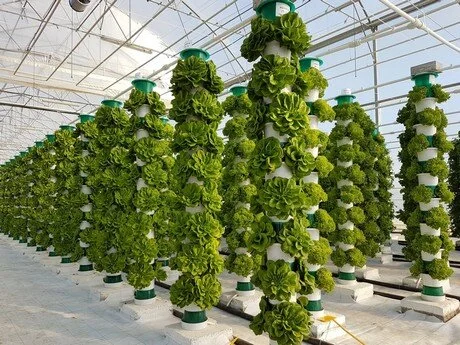
According to Jonathan Ebba’s article “Hydroponics at Home,” hydroponics is a farming method that uses nutrient-rich water instead of soil to grow plants. Hydroponic systems use less water than traditional farming and can often produce crops more quickly. Plants grown hydroponically still need important resources such as water, nutrients, light, carbon dioxide, and oxygen. There are several different types of hydroponic systems, each designed to meet different growing needs.
Hydroponics offers many benefits for both people and the environment. Plants often grow faster because they receive nutrients directly through the water. Hydroponic systems can also be used in smaller spaces, making them useful in cities or areas with limited farmland. In addition, they use less water and can reduce the need for pesticides. However, hydroponics also has some challenges. The equipment can be expensive to set up, and plants may die if the system is not properly maintained.
Many people are turning to hydroponics because it provides a reliable way to grow food year-round. Since plants are often grown indoors, they are protected from harsh weather conditions. However, successful hydroponic gardening requires careful planning. Plants must be spaced correctly so they have enough room to grow, and growers must regularly monitor water quality and nutrient levels to keep crops healthy.
Experts believe hydroponics can help address food production challenges by growing crops faster, producing higher yields, and using resources more efficiently. As technology continues to improve, hydroponic farming may become an even more important part of feeding communities around the world. By using less water and space while producing healthy crops, hydroponics offers a sustainable solution for the future of agriculture.
References
- https://extension.unh.edu/resource/hydroponics-home
- https://www.nal.usda.gov/farms-and-agricultural-production-systems/hydroponics
- https://ourlittlesuburbanfarmhouse.com/12-hydroponic-problems-and-how-to-solve-them/
- https://nipgroup.com/blogs/8-risks-while-growing-hydroponics/
- https://hopeinnovation.com/blogs/hydroponic-tips/the-5-essential-components-of-a-successful-hydroponic-system?srsltid=AfmBOoqh_hlayEeSYWYjoLSqAPFDPxEZvdQrtHIKr98Me1WNxS7dPnQp&shpxid=7b389920-7daf-4889-841b-16c3ba59cf36