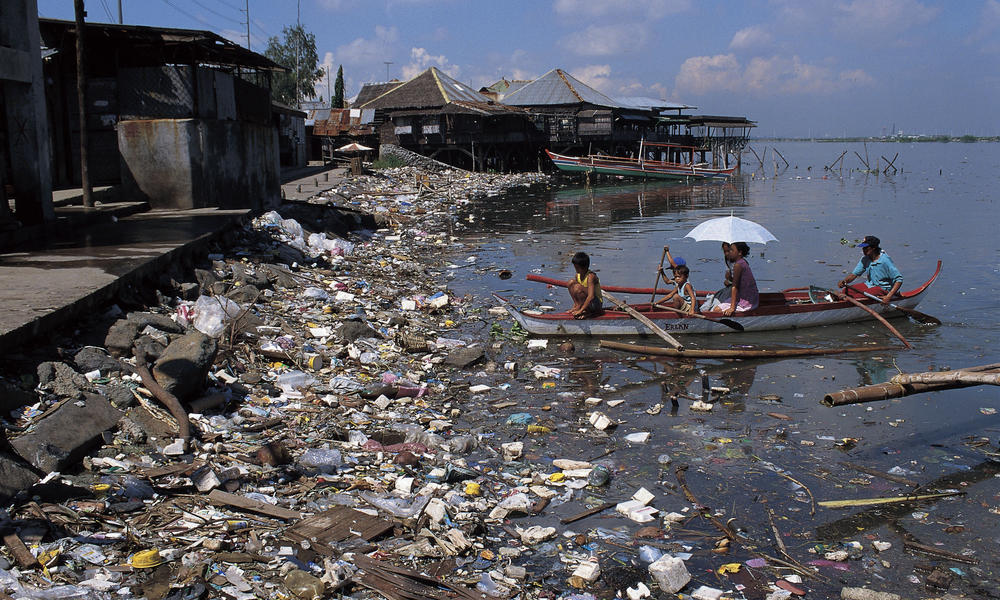
Plastic pollution is one of the biggest environmental challenges facing our world today. Millions of tons of plastic waste enter landfills and oceans every year, harming wildlife and releasing harmful chemicals into the environment. Engineers are working to find better materials that can replace traditional plastics and reduce pollution. My project focuses on using renewable materials to help decrease the amount of harmful chemicals released into the air and create a more sustainable future.
My project is similar to ideas discussed in “10 Scientific Solutions to Plastic Pollution,” which highlights innovative alternatives to traditional plastics. One example is the use of natural materials, such as seaweed-based products, to replace petroleum-based plastics. These solutions aim to reduce pollution while still providing useful products for everyday life. By exploring renewable materials, engineers can help protect both people and the environment.
There are several positive impacts of my project. First, it is environmentally friendly because it uses renewable resources instead of materials made from fossil fuels. Second, the materials can be strong and stable enough for practical use. Finally, using sustainable materials can help reduce the carbon footprint associated with manufacturing and disposal. These benefits could lead to cleaner air, less waste, and healthier ecosystems.
Like any engineering solution, my project also has challenges. Some renewable materials may create waste during the manufacturing process. They can also be sensitive to environmental conditions such as moisture and temperature. In addition, some materials may be heavier or less portable than traditional plastics. Engineers must carefully test and improve these materials to ensure they are both effective and practical.
Although no single solution will completely solve the plastic pollution crisis, innovative projects like this can make a difference. Some previous attempts, such as breaking down plastics into their molecular components, have faced challenges because of high operating costs. Experts believe that renewable materials offer a promising alternative because they can reduce dependence on traditional plastics while lowering environmental impacts. By continuing to develop sustainable materials, engineers can help create a cleaner and healthier world for future generations.
References
- https://parley.tv/initiatives/adidasxparley
- https://earth.org/scientific-solutions-to-plastic-pollution/
- https://www.greenpeace.org/africa/en/blog/55370/4-false-solutions-that-wont-solve-the-plastic-pollution-crisis/#:~:text=Chemical%20recycling%2C%20touted%20as%20a,capture%20and%20concentrate%20plastic%20debris
- https://www.greenpeace.org/usa/merchants-of-myth/#:~:text=Amidst%20declining%20capacity%2C%20corporations%20ditch,profits%2C%20and%20delay%20regulatory%20action
- https://www.acplasticsinc.com/informationcenter/r/good-things-about-plastic