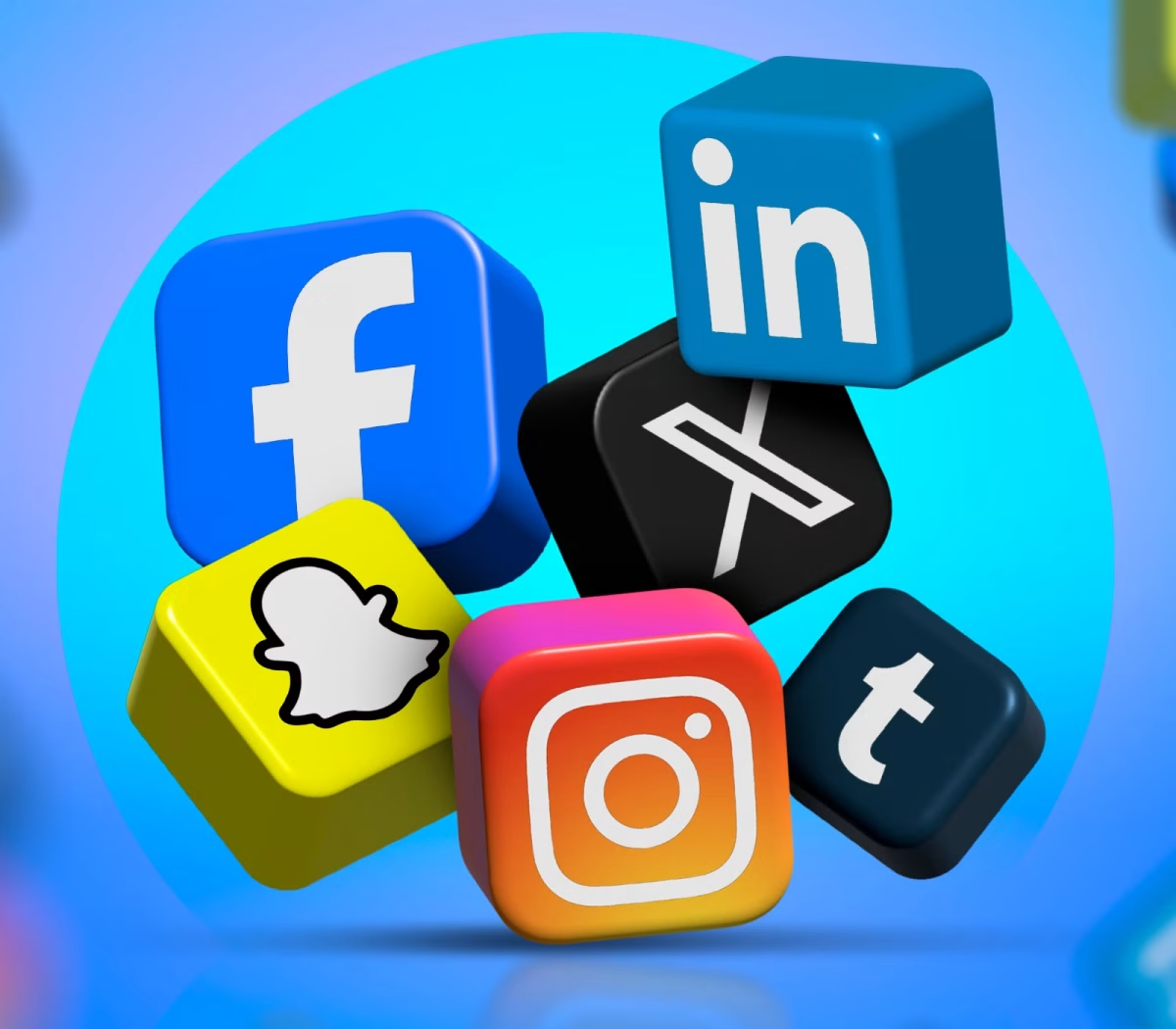
Social media has become a major part of everyday life for teenagers and adults around the world. These platforms make it easy to communicate, share ideas, and stay connected with friends and family. However, many experts are concerned about the effects social media can have on human behavior and mental health. As social media continues to grow, finding ways to use it responsibly has become increasingly important.
One of the biggest benefits of social media is its ability to connect people. It allows users to communicate instantly, join communities that share their interests, and learn about events happening around the world. Social media also gives people opportunities for creativity, self-expression, education, and social activism. For many users, these platforms help reduce feelings of loneliness and provide support from others with similar experiences.
Despite these benefits, social media can also have negative effects. Excessive use has been linked to anxiety, depression, and the fear of missing out (FOMO). Many users compare themselves to carefully edited photos and videos, which can create unrealistic expectations about appearance and lifestyle. According to research, many teens report that social media sometimes makes them feel worse about their appearance. Cyberbullying and online harassment can also contribute to emotional stress and lower self-esteem.
Past attempts to solve these problems, such as content moderation, fact-checking, and social media bans, have had mixed results. Experts argue that these approaches often fail because they do not address the addictive design features built into many platforms. Notifications, likes, and endless scrolling are designed to keep users engaged for longer periods of time. In addition, the technology behind social media requires large data centers and electronic devices, which consume energy and contribute to electronic waste.
A better solution may be teaching healthy digital habits while encouraging companies to design platforms more responsibly. Setting screen-time limits, turning off unnecessary notifications, and taking breaks from social media can help users maintain a healthy balance. Social media can be a powerful tool for communication and learning, but it should not control our lives. By using technology wisely, we can enjoy the benefits of social media while protecting our mental health and well-being.
References
- https://www.hhs.gov/surgeongeneral/reports-and-publications/youth-mental-health/social-media/index.html#:~:text=Create%20boundaries%20to%20help%20balance%20online%20and,practices%20for%20your%20own%20social%20media%20use
- https://www.cyberdive.co/blog/why-social-media-bans-fail?srsltid=AfmBOooe-n02oYxITnzdp6en_d4BrelhUkgpcgt3wtkJ0lWrxsQVHqkw#:~:text=Key%20Takeaways,spaces%20for%20identity%20and%20connection
- https://www.equaltimes.org/content-moderation-is-what-a-21st?lang=en#:~:text=Just%20as%20exposure%20to%20silica%20dust%20caused,mental%20health%20of%20those%20employed%20to%20engage
- https://designtork.co/blog/how-good-design-improves-social-media-engagement/#:~:text=Brands%20should%20strategically%20choose%20colors,professional%20brand%20image%20across%20platforms