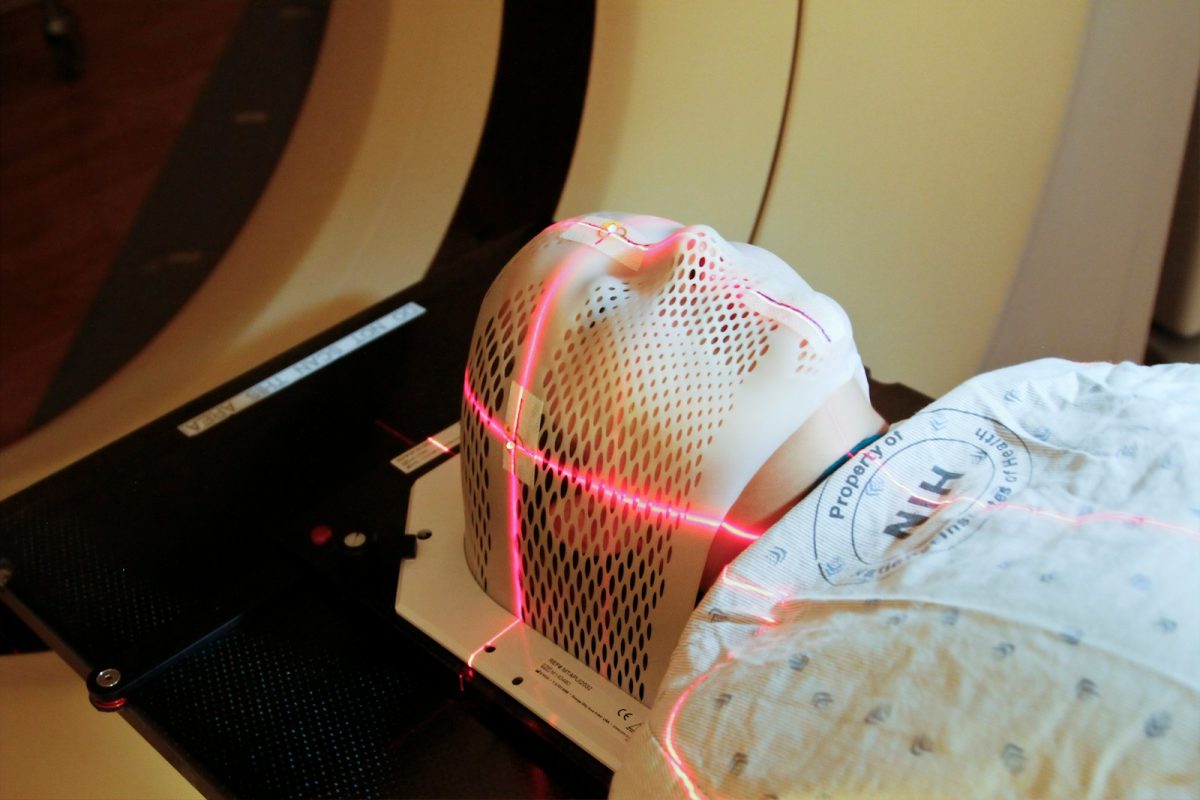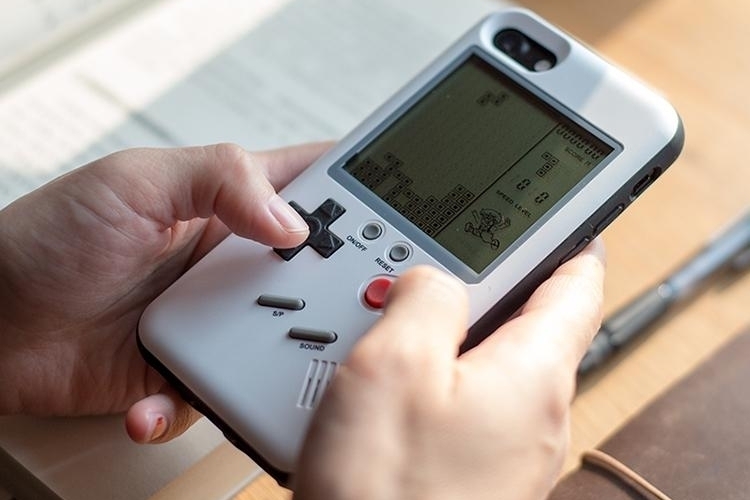
People with dementia face many challenges in their daily lives. Dementia is a condition that affects the brain and causes problems with memory, thinking, and behavior. As the condition progresses, people may struggle to remember names, recognize familiar places, or complete everyday tasks. Because of these difficulties, it is important to find ways to support their minds and improve their quality of life. One helpful tool is memory games, which can keep the brain active and engaged.
Dementia occurs when brain cells become damaged and can no longer communicate effectively with one another. This can lead to memory loss, confusion, and difficulty solving problems. People with dementia may forget important events, become disoriented, or have trouble recognizing family members. These changes can be frustrating for both the person living with dementia and the people who care for them.
One way to help people with dementia and to exercise their minds,activities such as matching games, puzzles, word searches, and picture-recognition challenges encourage people to use memory and thinking skills. While memory games cannot cure dementia, they may help maintain mental abilities, improve focus, and provide a sense of accomplishment. Many people also find these activities enjoyable, which can improve their mood and reduce feelings of frustration.
Memory games can also provide valuable social interaction. Family members, friends, and caregivers can participate in games together, creating opportunities for conversation and connection. These activities encourage people with dementia to engage with others and share memories from their past. In addition, combining memory games with supportive environments, such as clear signs, labeled photos, and calming sounds, can make daily life easier and less confusing.
In conclusion, dementia affects millions of people by damaging memory and thinking skills, making everyday tasks more difficult. Although there is currently no cure, memory games offer a simple and meaningful way to support brain function and improve quality of life. By encouraging mental activity, social interaction, and positive experiences, memory games can help people with dementia stay engaged and connected to the world around them.
References
- https://www.alzheimers.gov/life-with-dementia/tips-caregivers
- https://www.aarp.org/personal-technology/dementia-caregiver-technology/#:~:text=How%20much%20time%20is%20the,if%20their%20loved%20one%20strays
- https://www.telegraph.co.uk/health-fitness/conditions/dementia/neurologist-miracle-dementia-drugs-dont-work
- https://www.alz.org/help-support/caregiving/stages-behaviors/wandering
- https://brainxchange.ca/Public/Files/Design/5_BXC_Wayfinding_Design_Recomendatons.aspx