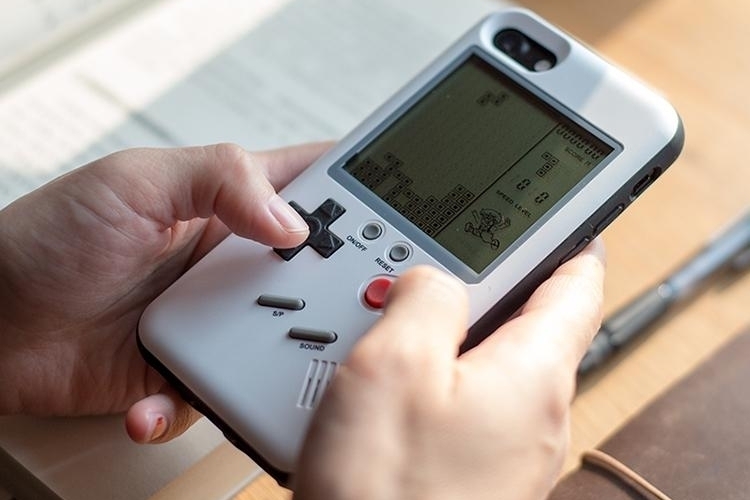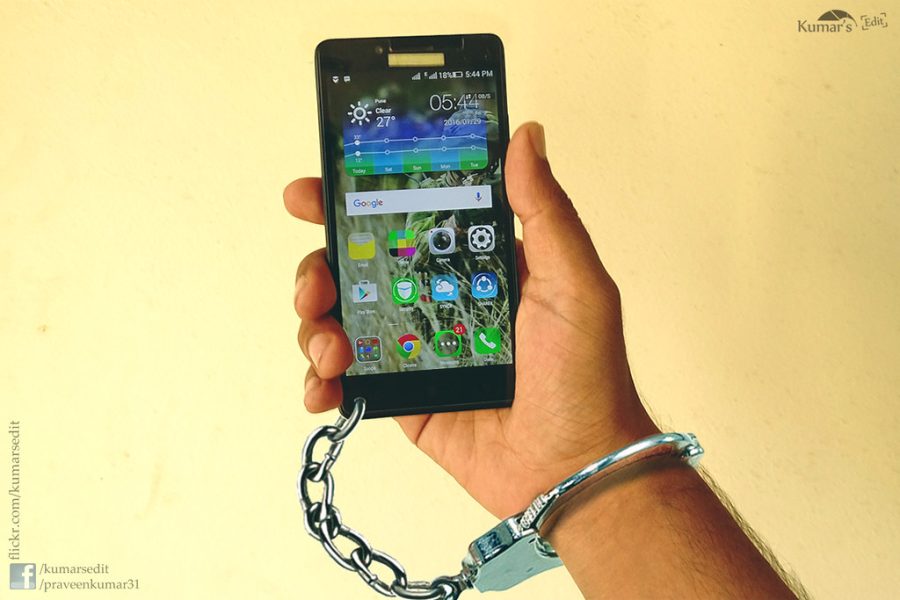
In our modern world, smartphones, especially devices like iPhones, are everywhere. They bring many benefits: people can quickly look up information, stay connected to others, and even improve certain reflexes by playing fast-paced games. But for many kids, teens, and adults, the constant use of phones can also cause serious problems, especially with mental health, cyber-bullying, distraction, and even cheating. As students and educators, we must ask: are there ways to use phones more wisely, or should we limit when and where we use them, for example, by having stricter rules in schools?
Problem and Solution
One common solution is banning or restricting cellphones in schools. Many public schools now prohibit phone use during class time. Some schools take it further by requiring students to keep phones in a locked pouch during school hours, so phones are out of sight and unreachable for distractions,misuse or cheating. These measures aim to reduce distractions, cheating, cyber-bullying, and make face-to-face social interaction more common and focus on learning. Additionally, psychologists and researchers have studied “problematic smartphone use,” looking at how overuse affects mental health, sleep, attention, and social skills.
Even though many schools ban phones, simply banning them doesn’t always solve the root problems. Enforcement is often inconsistent: some schools restrict phone use only during classes but allow them during breaks or between classes. In some cases, phones are still present and reachable, reducing the effectiveness of the ban. Researchers also caution that banning phones doesn’t automatically improve students’ mental health or overall well-being. Moreover, overuse problems may happen outside school (at home, before bed), so a school ban only addresses part of the issue.
What Experts Say
Experts studying smartphone use among teens find that overuse often comes with negative mental-health outcomes: depression, anxiety, low self-esteem, sleep disturbance, social isolation. Studies of brain development and cognition also suggest that excessive smartphone use can impair attention, working memory, and emotional processing. In school settings, phones enable cyber-bullying, cheating, distractions, and social pressures (like the fear of missing out on something) all risks that affect mental well-being, personal safety, and academics.
Based on recent studies and school-reports, strict and well-enforced phone bans during class or during full school hours seem effective at reducing distractions, cyber-bullying, and inappropriate behavior, thereby improving school climate and safety. Also, structured phone-free spaces (like locked pouches or phone-parking zones) help because they remove temptation and make the ban easier to enforce. On the individual level, research into “problematic smartphone use” suggests that awareness of mental state, habit patterns, and intentional “digital wellness” practices (like limiting usage, avoiding phones before bed, or using apps less often) are key to reducing negative impacts though results vary by person.
The Benefits
Phones bring undeniable benefits of connection, instant information, convenience, and entertainment but as many experts and educators warn, overuse causes serious risks such as, mental-health problems, distraction, bullying, cheating, and impaired social and cognitive skills. School-based policies like phone bans or structured phone-free zones have proven helpful in reducing problems during school hours, though they are not a magic fix. The real improvement comes when phone use is balanced and mindful: regulated in schools, limited outside of class, and managed such that phones remain tools not distractions or sources of stress. For many students, creating rules around phone use (especially in school) could help protect both learning and mental well-being.