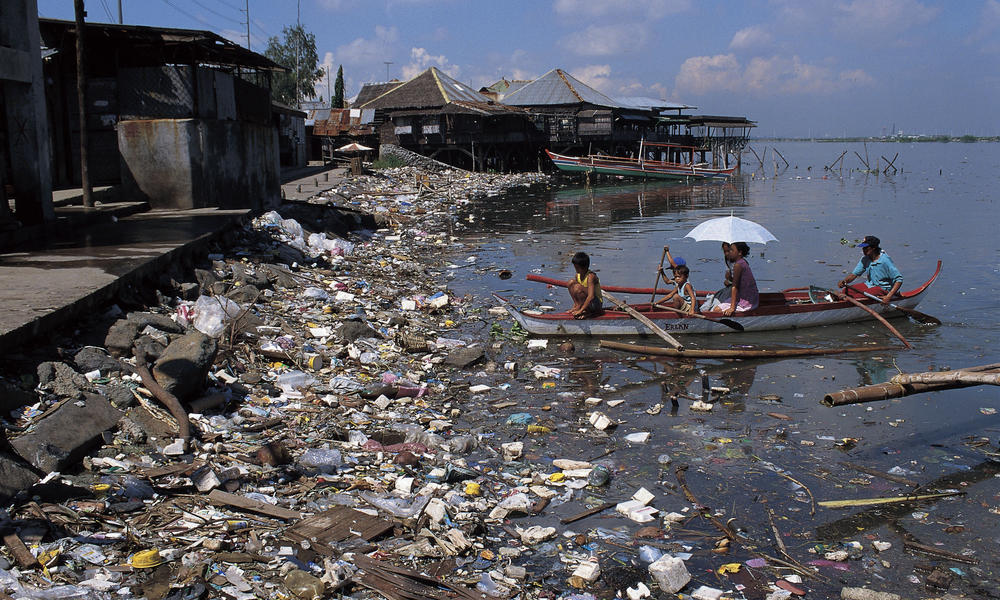

Food insecurity, or not having a reliable access to enough nutritious food, has long shaped our communities, health, and economies. In earlier decades, shortages and unequal access to food contributed to poor health, reduced school performance, and caused stress to families. Some families, because of food insecurity, have to cut meals or choose cheaper, less nutritious foods to survive. On a global scale, due to conflict, climate events, and economic shocks, record levels of severe hunger have been showing up in recent years. This shows how food shortages can have a butterfly effect on other organizations, and can end up disrupting markets, migration, and political stability. These historical and recent trends show that food insecurity is not only a personal hardship, but a social and economic problem that affects education, public health, and community resilience.
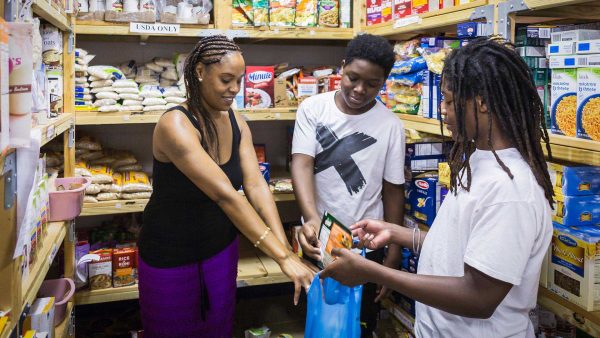
In the present day, food pantries and food banks are the first and quickest responses that reduce immediate hunger. They provide billions of meals annually, but they face limits and tradeoffs. In the United States, national food-bank networks have distributed billions of meals to families experiencing hunger, but demand is, and has, remained high. Food pantries and banks are extremely helpful, but they are temporary fixes to the mass problem of starvation. These solutions are great for solving the immediate problem, but full elimination of food insecurity is what people are striving for. Researchers and client’s surveys show that while pantries reduce short-term hunger and connect households to services, many users still experience barriers like limited free hours, culturally inappropriate offerings, and unequal impact for each community. Pantries are a vital safety net but not a complete solution to structural causes such as low wages, housing cost pressure, and unequal access to healthy foods. Improving food pantries, like increasing fresh produce, flexible hours, and empathetic service, strengthens community impact but must be paired with policy and economic strategies to reduce the root causes.
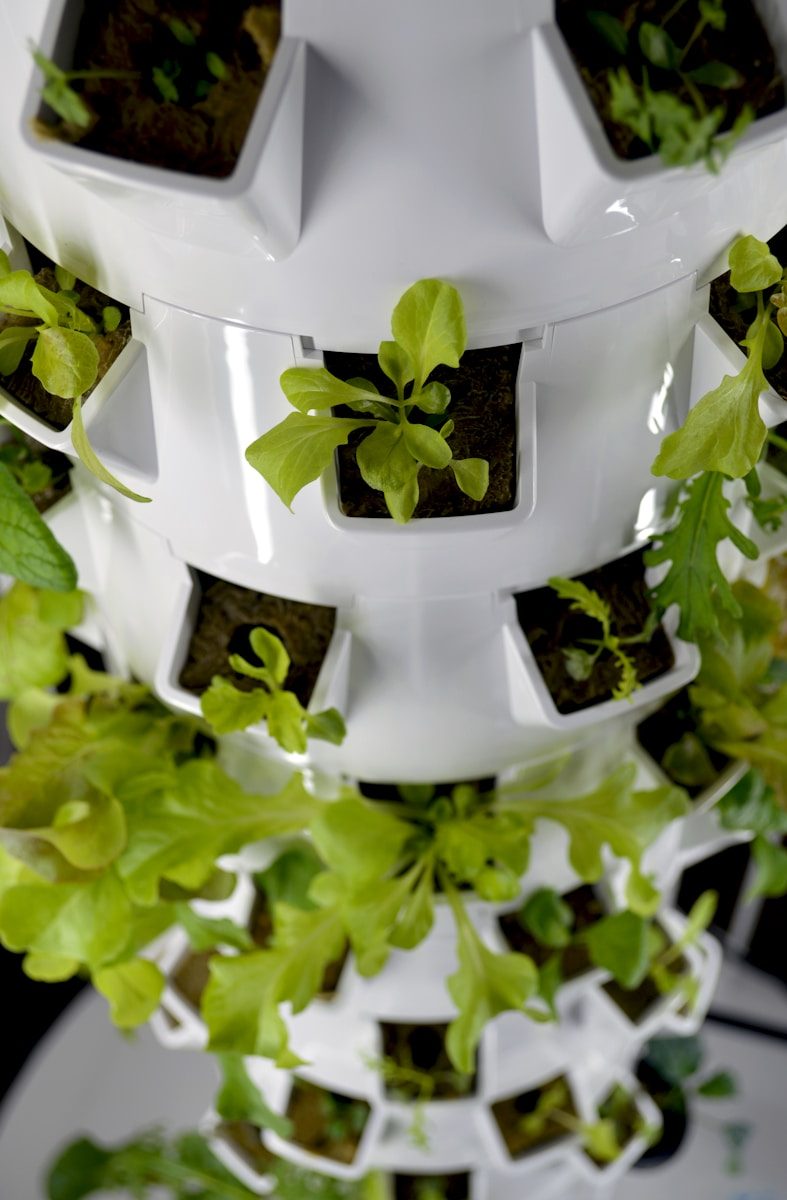
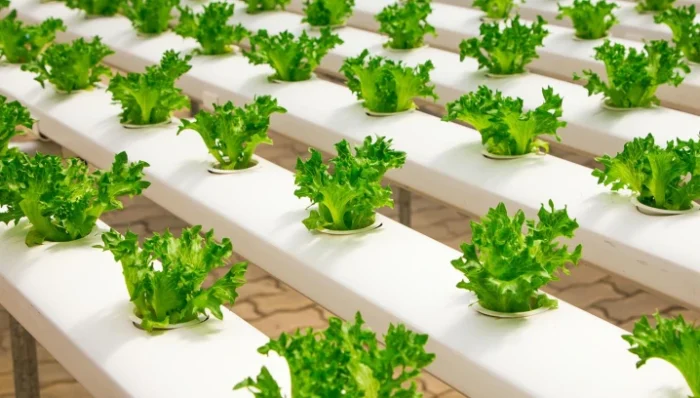
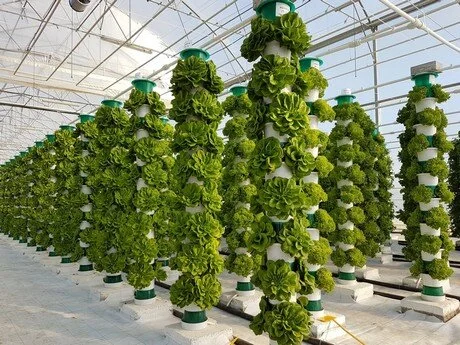
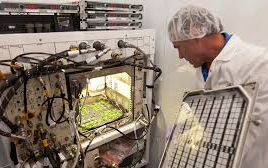
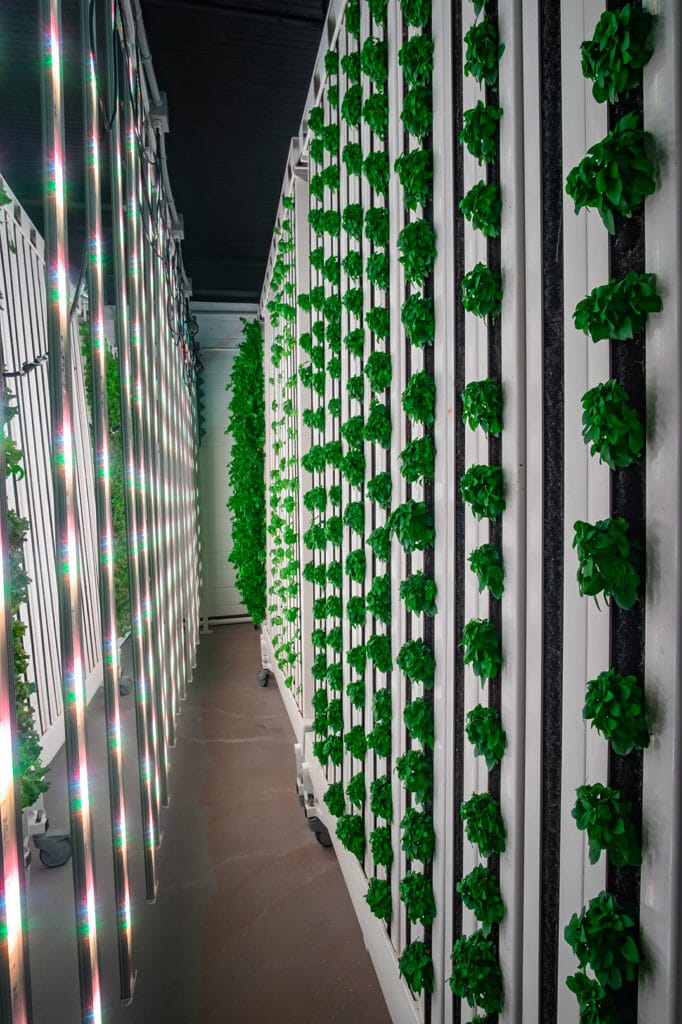
Looking ahead, hydroponics, growing plants without soil in nutrient solutions, offers promising tools to reduce local food insecurity and environmental strain. Controlled soilless systems can produce more yield per square foot, use far less water, enable year-round production, and allow efficient and effective farming in urban or climate-stressed areas. This shows that hydroponics can shorten the process of transporting that makes fresh food expensive or unavailable locally. However, scaling hydroponics requires upfront investment, energy for lighting and climate control, and technical knowledge. But, when powered by renewable energy and integrated into local food systems like community farms, schools, and food-bank partnerships, hydroponic projects can increase access to fresh produce, create local jobs, and reduce transportation emissions. Hydroponics can improve both the community nutrition and the environmental footprint. They are not a full solution, but it has much potential in the local strategy to lessen food insecurity.
For middle-school engineers and communities, the combination of food insecurity and hydroponics offers a practical project area that mixes science, empathy, and community engagement. Small hydroponic classrooms or pantry partnerships can teach STEM skills to kids while producing fresh food for school meals or neighborhood giveaways. Measuring the outcomes like yield, water use, produce distribution can also help students learn systems, thinking, and real-world impact. Combining local technological solutions with economic supports like food assistance, living wages, and affordable housing, will be key to help the starvation of people. Technology can improve the availability and quality of food, but communities ultimately depend on addressing the economic and social drivers of hunger.
Food insecurity has shaped societies, health, education, and stability in the past and continues to this day. Food pantries play a crucial and compassionate role by reducing immediate hunger, but they must be improved and paired with policies that address and show action in solving the basic causes. Hydroponics present a promising, sustainable tool to increase local fresh-food production and reduce environmental costs when thoughtfully designed and implemented correctly. For students and communities, pairing hands-on hydroponic projects with efforts to understand and change the economic drivers of hunger creates learning that matters scientifically, socially, and ethically.
Works Cited
Odoms-Young, A. (2023). Food insecurity, neighborhood food environment, and health outcomes: A review. Nutrition and Health Research. https://www.ncbi.nlm.nih.gov/pmc/articles/PMC10972712/
Rajaseger, G., et al. (2023). Hydroponics: current trends in sustainable crop production. Frontiers in Plant Science(review). https://www.ncbi.nlm.nih.gov/pmc/articles/PMC10625363/
Feeding America. (2024). USDA food security report 2023 / Feeding America press materials. https://www.feedingamerica.org/about-us/press-room/usda-food-security-2023
U.S. Department of Agriculture (USDA), Economic Research Service. (2025, January 8). Food security in the U.S. — Key statistics & graphics. https://www.ers.usda.gov/topics/food-nutrition-assistance/food-security-in-the-us/key-statistics-graphics/
Gupta, P.. (2025). Why many struggle to access charitable food while demand remains high (report). Urban Institute. https://www.urban.org/sites/default/files/2025-06/Why_Many_Struggle_to_Access_Charitable_Food_While_Demand_Remains_High.pdf
Zee, et al. (2024). Providing food security through hydroponic systems(comparative study). https://sdgs.un.org/sites/default/files/2024-05/Zee%2C%20et%20al._Providing%20Food%20Security%20through%20Hydroponics.pdf
Reuters. (2025, October 10). Hunger rising in Haiti, with nearly 6 million at risk by 2026. https://www.reuters.com/world/americas/hunger-rising-haiti-with-nearly-6-million-risk-by-2026-2025-10-10/