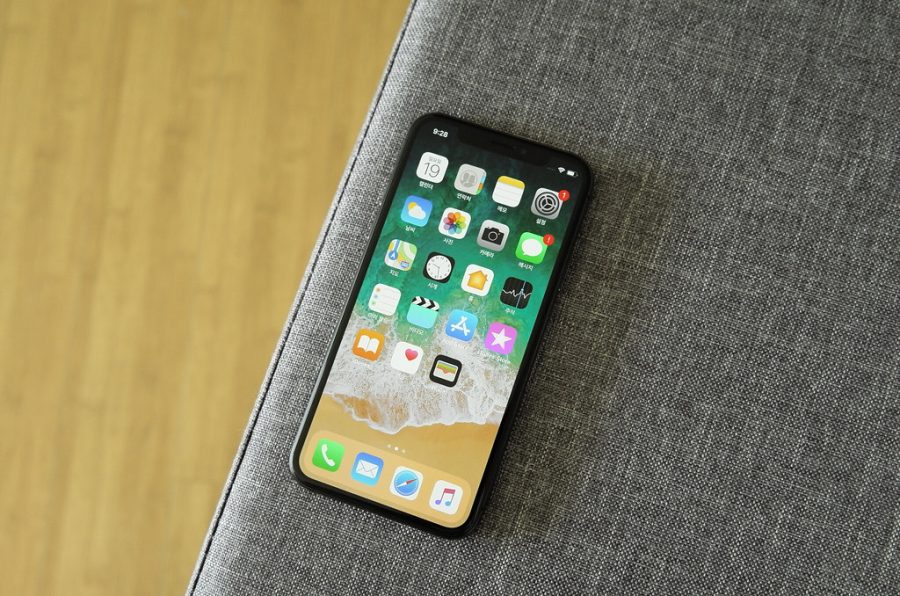
Cell phones have become a huge part of everyday life. They help people communicate, learn new information, and stay connected to the world. But, phones can also cause problems, especially in schools. Many schools struggle to keep students focused because phones are distracting, and some schools do not have enough funding to manage phone use properly. This distraction can lead to lower test scores and less learning. We need a solution that is affordable and makes sure students are not tempted to use their phones during class.
There are already several solutions that schools use to control phone use. Some schools allow phones but ask students to keep them silent or put them away in backpacks. Other schools ban phones completely during the school day. Some teachers collect phones at the beginning of class, while others rely on school rules and consequences. According to experts, phones can be very helpful when used correctly, such as for research, organization, and communication, but they can also distract students from learning if not managed well.
However, many of these past solutions did not work well. Asking students to keep phones in their backpacks often fails because phones are still easy to reach. Collecting phones can take up class time and may cause arguments. Full phone bans are difficult to enforce and can be expensive for schools to manage. Experts also warn that technology addiction is a real issue for teens. Many students feel the need to constantly check notifications, social media, or messages, which makes it harder to focus on schoolwork and increases stress.
The most effective design features are the ones that remove temptation completely. One strong solution is using Yondr pouches, which lock phones during school hours but still allow students to keep them with them. Another option is using in-phone apps that block phone use during school hours. Increased supervision can also help remind students of expectations. These solutions work because they prevent easy access to phones instead of relying only on self-control.
In conclusion, phones have both positive and negative impacts on society. They increase productivity, provide access to information, and improve communication, but they can also harm learning when overused in schools. Because distraction and addiction are serious problems, schools need affordable and effective solutions. Using Yondr pouches, phone-limiting apps, and better supervision can help students stay focused and improve learning outcomes. By managing phone use instead of ignoring it, schools can create a better learning environment for everyone.