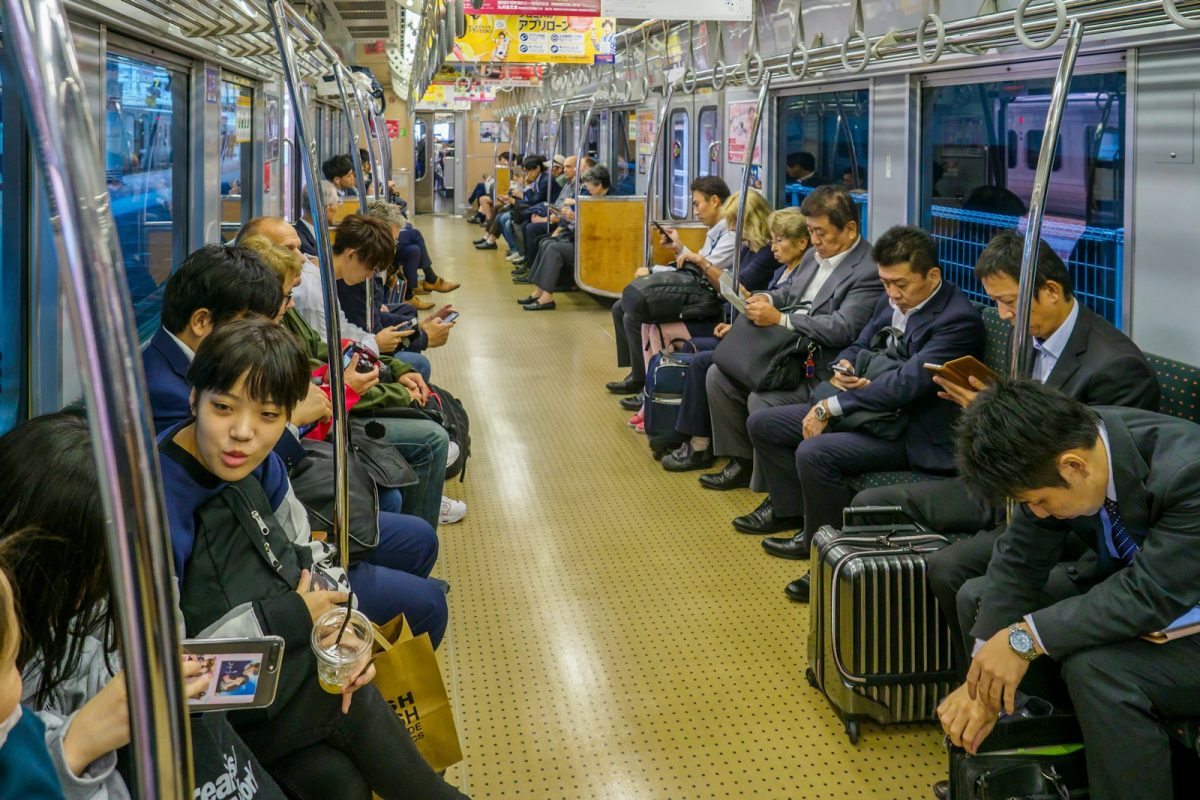
Social media has become one of the most popular ways for people around the world to communicate, share ideas, and learn new things. However, as these platforms grow, researchers and health professionals are increasingly concerned about their negative effects, especially on teens and other vulnerable users. Social media can spread misinformation, threaten privacy, and expose users to harmful content such as cyberbullying and unrealistic body images. These issues can lead to emotional distress, confusion, and long-term safety risks for users who are still developing and learning how to navigate online spaces.
To address these issues, a number of solutions already exist that help people use social media more safely. Many phones and apps have built-in time limits that let users cap how long they spend online each day, and some tools block access to distracting or harmful apps during homework or bedtime. Users can also curate their feeds by unfollowing or muting accounts that promote negative feelings or unsafe content, reducing stress and FOMO (“fear of missing out”). Experts also suggest turning off notifications to avoid compulsive checking and planning offline activities like hobbies, sports, or nature walks to balance screen time with real-world experiences.
Despite these efforts, many past solutions have not worked perfectly. Technical tools like early social platforms (for example, older versions of MySpace) were often clunky and hard to use, discouraging people from sticking with healthy habits. Many content filters or blocking tools lack nuance and can’t fully stop spam, toxicity, or rapidly evolving trends like short videos and ephemeral posts that move faster than the tools designed to control them. In addition, social media platforms constantly add new features, so tools that help users control or understand content can lag behind and become outdated.
Public health experts identify a wide range of risks associated with social media use, especially for young people. These include mental health impacts such as increased anxiety, depression, and body image concerns when users compare themselves to idealized images online, as well as addiction-like engagement driven by dopamine responses in the brain. Cyberbullying, harassment, and exposure to extreme or harmful content are also major concerns that can affect emotional well-being and safety. Excessive social media use has been linked to poor sleep, disrupted routines, and potential developmental issues as teen brains form identity and emotional regulation skills.
While there are many negatives, some design elements on social media can be effective for communication and learning. Features like short videos, carousel posts, and bold colors can capture attention and help make educational or uplifting content more engaging. Clear labeling of trustworthy sources and prompts for reflective use—such as reminders to take breaks or self-monitoring tools—can help slow compulsive scrolls and guide healthier interaction. Thoughtful, user-centered design that prioritizes clarity and well-being over constant engagement has better potential to support positive experiences.
Social media has both positive and negative impacts: it can connect friends and family, support learning, and foster community, but it also poses risks like addiction, stress, privacy breaches, and misinformation. To improve this technology’s impact on society, we must focus on ethical design, inclusive access, stronger privacy protections, digital literacy education, and public-private cooperation. By prioritizing human needs, fairness, and sustainability in both everyday use and platform development, we can help social media be a tool that empowers users—especially young people—rather than harms them.
Sources
https://www.brownhealth.org/be-well/social-media-good-bad-and-ugly
https://www.publichealth.columbia.edu/news/just-how-harmful-social-media-our-experts-weigh
https://www.yalemedicine.org/news/social-media-teen-mental-health-a-parents-guide