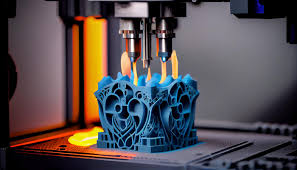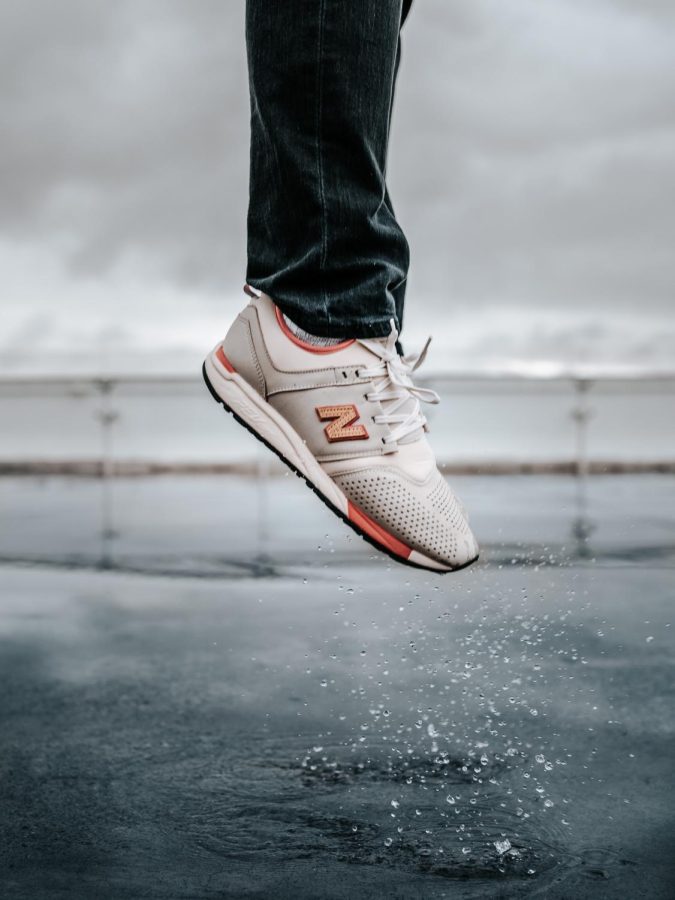
Many people enjoy fashionable shoes, but designer footwear can be very expensive. As a result, some people spend more money than they can afford, while others miss out on styles they like. Engineers and designers are exploring new ways to make footwear more affordable and customizable. One exciting solution is 3D-printed footwear, which uses special printers to create shoes layer by layer.
One company leading this innovation is Zellerfeld, which creates shoes using advanced 3D-printing technology. Instead of manufacturing shoes in large factories, a digital design can be sent directly to a printer to create a custom pair. This process allows designers to experiment with unique shapes and styles while reducing waste from traditional manufacturing methods.
There are several positive impacts of 3D-printed footwear. Many communities provide access to 3D printers through schools, libraries, and makerspaces. There are also many different filament materials available, allowing designers to create shoes with different levels of flexibility, comfort, and durability. Because shoes can be customized to fit an individual’s feet, they may provide a more comfortable experience than standard shoe sizes.
However, there are also challenges. Not everyone has access to a 3D printer, and some printing materials can be expensive. Printing a pair of shoes can take a long time, and not all materials are strong enough for everyday use. Engineers continue to test new materials and printing methods to improve the quality and affordability of 3D-printed footwear.
In conclusion, 3D-printed footwear has the potential to change the way people buy and wear shoes. By making footwear more customizable and reducing manufacturing waste, this technology could benefit many consumers. Although there are still obstacles to overcome, ongoing advances in engineering and 3D-printing technology may make affordable, stylish, and personalized footwear more common in the future.