3D-printed footwear has the potential to change the way people buy and wear shoes. By making footwear more customizable and reducing manufacturing waste, this technology could benefit many consumers.
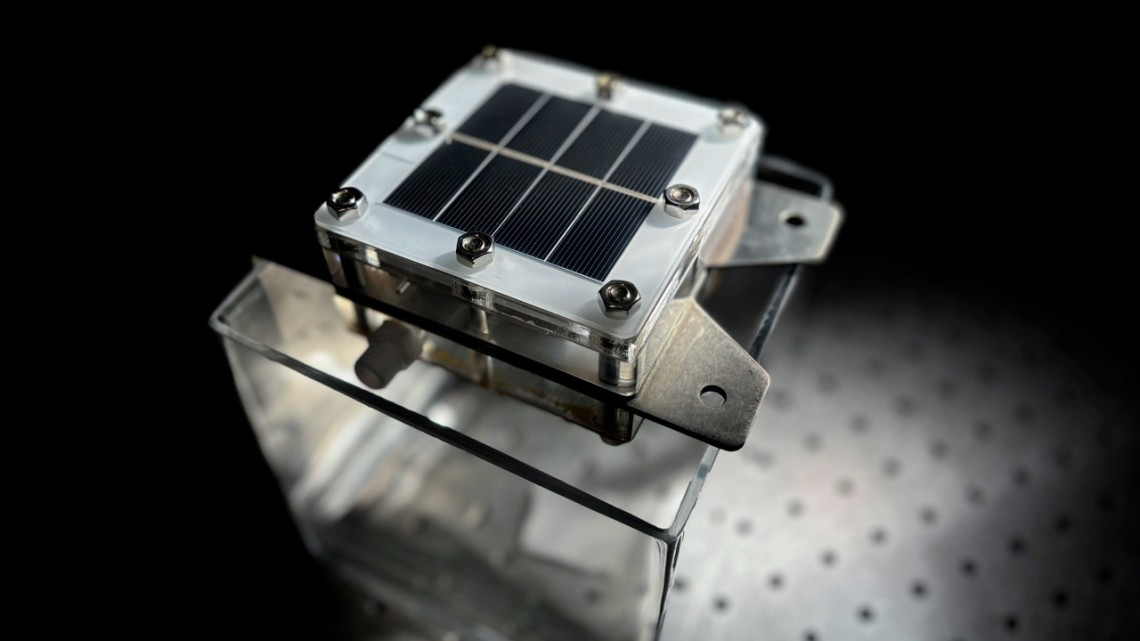
These new devices is called hybrid solar distillation-water electrolysis and uses a process called photoelectrochemical water splitting, which mimics photosynthesis. Special semiconductor materials absorb sunlight and use that energy to initiate chemical reactions that break down water (H₂O) into hydrogen (H₂) and oxygen (O₂).
"Engineering is at the forefront of sustainability, driving innovations in renewable energy, eco-friendly materials, and smart technologies to build a greener future. From carbon capture to AI-powered efficiency, the field is evolving to balance performance with environmental responsibility. Explore how sustainable engineering is shaping the world of tomorrow.
Theater is a magical art form that entertains and inspires, but it also has hidden environmental costs that we often overlook. As the industry begins to embrace sustainable practices, it holds the potential to transform storytelling while protecting our planet for future generations.
Their findings suggest that nearly 45% of the injected carbon dioxide is successfully stored in the material, potentially lowering the overall emissions from cement manufacturing. If widely adopted, this innovation could play a crucial role in making the construction industry more sustainable and reducing the carbon footprint of urban development.
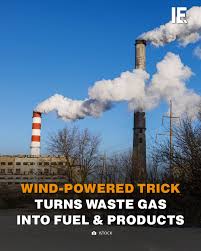
Wind power is being used to turn factory waste gases into fuel, helping to create everyday products. This process reduces pollution and turns waste into something useful, making it more eco-friendly.
Biodiversity refers to the variety of life on Earth, from the different species of animals and micro-organisms, to the great expanses of woodlands and wetlands. Biodiversity is vitally important to the health of the Earth, as well as the regulation of our climate, and the loss that we are experiencing of our biodiversity could be the broken cog in the machine that brings our planet down.
We have more affect on the environment that we could have ever imagined, and its important to keep in mind what we create, and how it could affect the world we've worked so hard to build. Although the rising human population could better our survival chances for the future, we have to take in consideration what we are leaving behind.
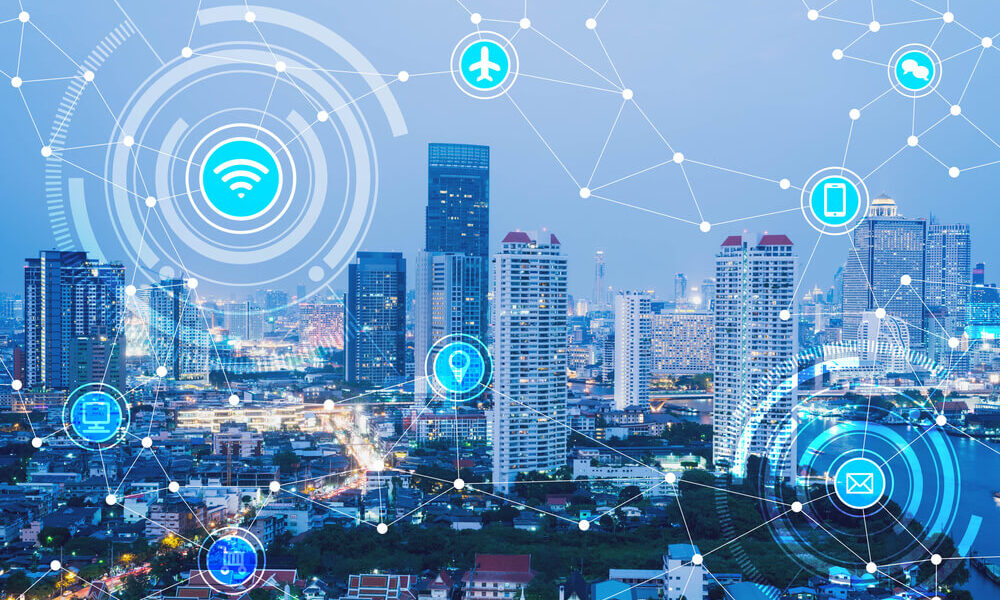
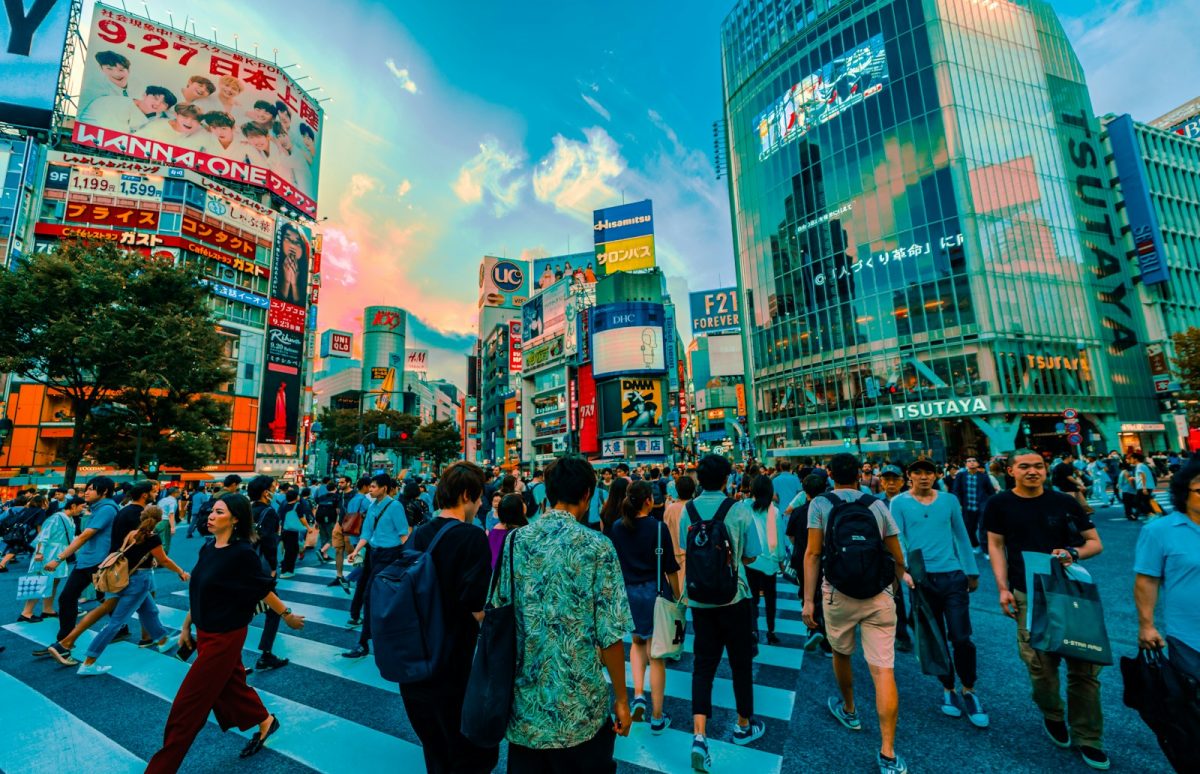
As urban populations grow, engineering is playing a key role in transforming cities into smart, sustainable hubs. Smart cities use technology, data, and innovative infrastructure to improve energy efficiency, transportation, and public services.
The environment is fragile as it is, and now as we progress into a new era of technology, new information about how we continue to affect the environment becomes a bigger and bigger issue we face.