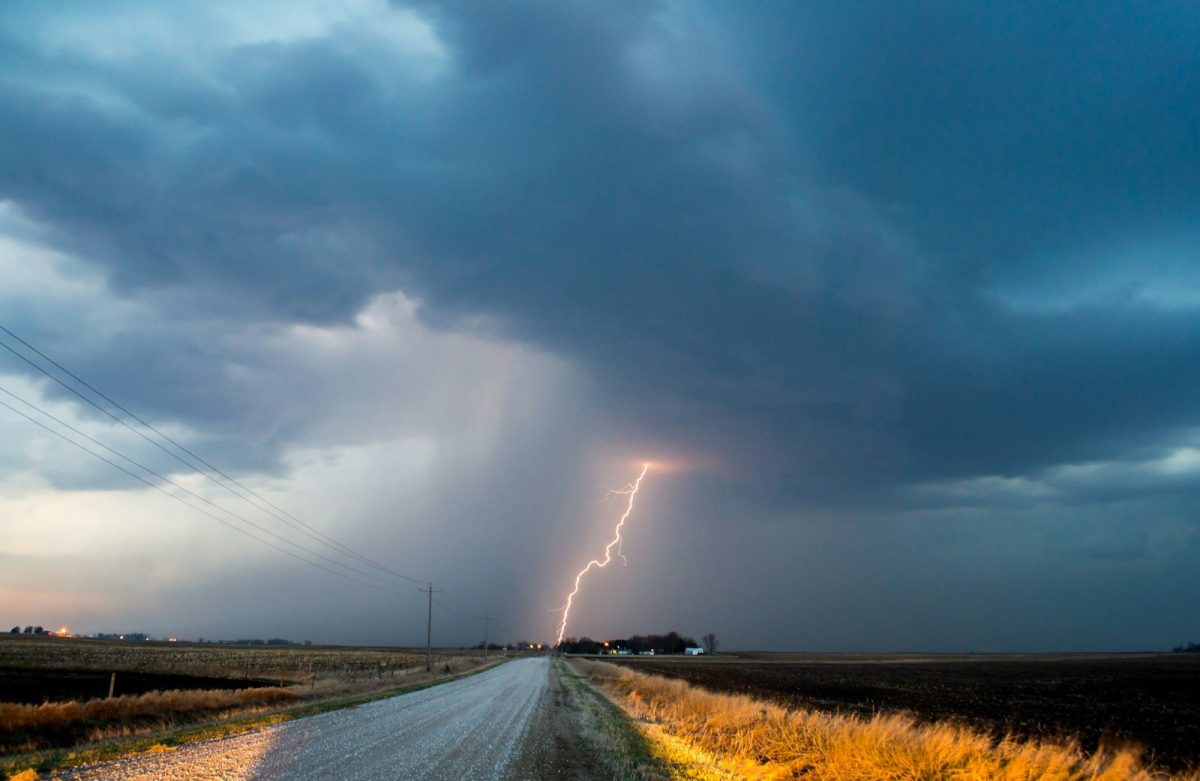
Have you ever wondered how meteorologists know when a storm is coming or why tomorrow will be sunny? Weather stations play an important role in collecting information about the atmosphere. These stations measure temperature, wind speed, wind direction, rainfall, humidity, and air pressure. The data they collect helps scientists understand weather patterns and provide forecasts that keep people safe and informed.
In the past, people relied on simple tools and observations to predict the weather. For example, weather vanes were used to show wind direction, and people often watched clouds and animal behavior for clues about upcoming weather. Today, weather stations work together with advanced technology such as Doppler radar, weather satellites, radiosondes, automated observing systems, and powerful supercomputers. These tools provide much more accurate information than older methods and help meteorologists make reliable forecasts.
Weather stations have a positive impact on society because they help warn people about dangerous weather events such as hurricanes, tornadoes, floods, and severe thunderstorms. Farmers also depend on weather data to decide when to plant, water, and harvest crops. Accurate forecasts can help reduce crop losses and save money. In addition, weather information helps pilots, sailors, and drivers travel more safely.
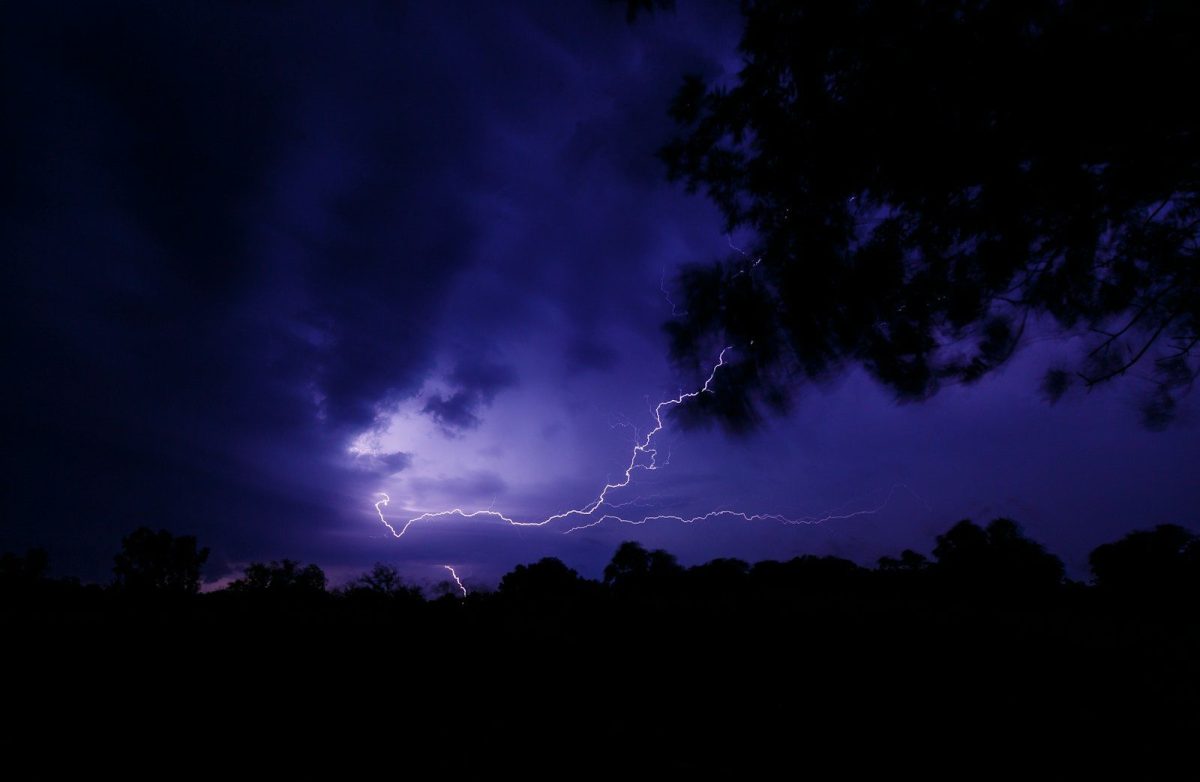
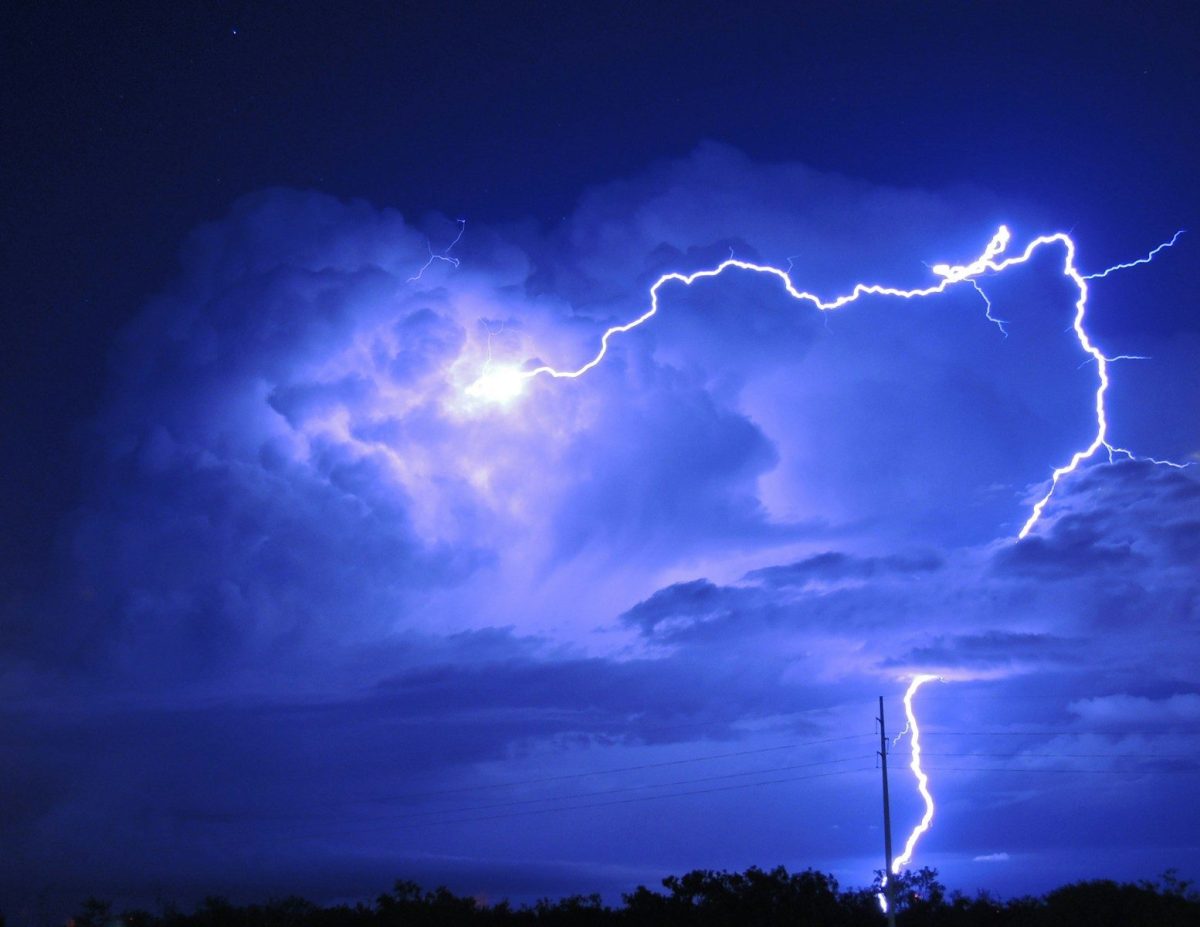
Although weather stations provide many benefits, they can have some drawbacks. Building and maintaining weather stations can be expensive, and they require electricity and equipment that must be protected from lightning and other weather-related damage. Weather stations also take up physical space in the environment. However, these impacts are generally small compared to the benefits they provide to communities around the world.
In conclusion, weather stations are an important part of modern life. They collect valuable information that helps scientists understand weather patterns and predict future conditions. By providing accurate forecasts and early warnings, weather stations help protect people, support agriculture, and improve transportation safety. As technology continues to improve, weather stations will become even more useful in helping humans prepare for the challenges of a changing world.
References
- https://www.noaa.gov/stories/6-tools-our-meteorologists-use-to-forecast-weather
- https://en.wikipedia.org/wiki/Weather_vane
- https://www.sevensensor.com/why-surge-protection-is-critical-for-seven-weather-stations#:~:text=1.,their%20status%20through%20your%20system.
- https://www.youngusa.com/blog/key-features-of-a-professional-weather-station/