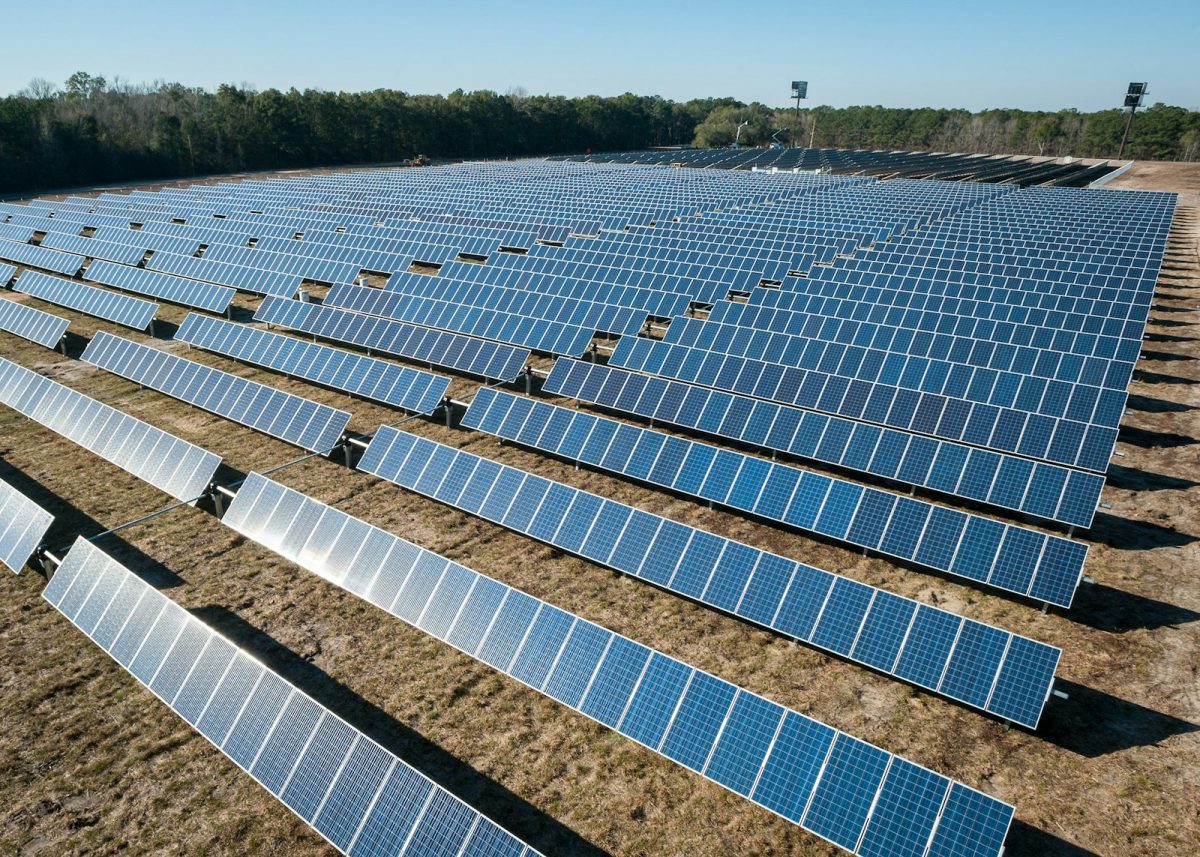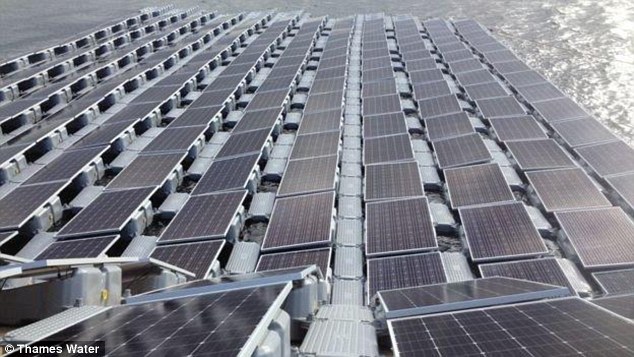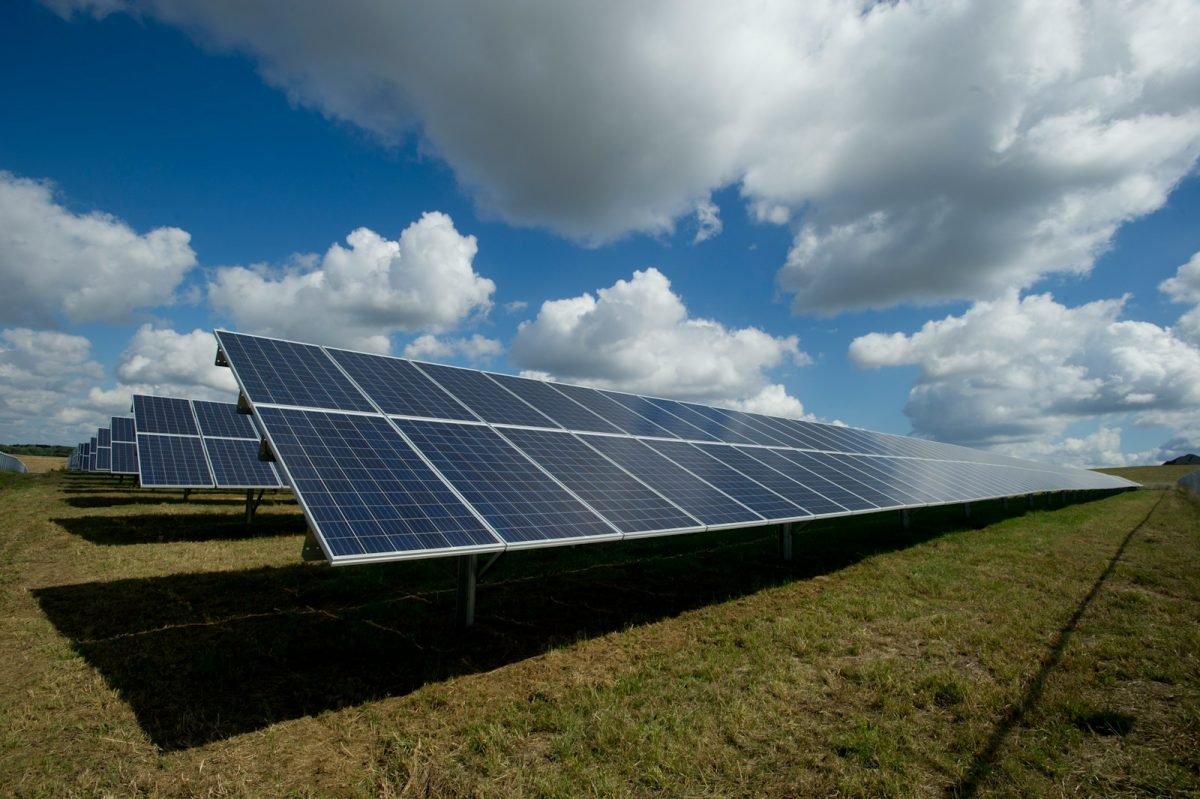
Solar panels have many benefits like lower electricity bills, reduced pollution, increased home value, and a step toward energy independence, but many homeowners and environmental organizations struggle with a major drawback. Solar panels are expensive. This can leave manufacturers to use cheaper materials making for a decline in reliability and efficiency. If we want solar energy to be widely adopted and truly beneficial, we need a solution that is affordable but reliable and efficient. Some promising ideas on making solar panels better is by using more efficient materials, ensuring durability, and adding more features like self-cleaning to maximize sunlight capture.
There are several advanced solar-cell designs that show promise for improving efficiency and long-term performance. For example, research into Quantum dot solar cells, or QDSC, which uses quantum dots instead of traditional silicon. Quantum dots have adjustable bandgaps which allow solar cells to better capture a wider range of sunlight wavelengths. This feature can make solar panel conversion from light to energy more efficient than standard panels. Similarly, hybrid systems like the Photovoltaic thermal hybrid solar collector, or PVT, can combine electricity generation with heat capture. By transferring heat away from photovoltaic cells into a cooling fluid, PVT helps keep cells cooler, improving electrical efficiency, while making the “wasted” heat useful. This dual typed kind of solar panel can make solar panels much more efficient and can fully use the extra components that are usually not considered. Finally, newer maintenance-related innovations are improving reliability. For instance, a self-powered dust-removal system developed recently. This system uses a wind-driven triboelectric nanogenerator and an electrodynamic screen, or EDS, technology. This sweeps dust away from the panel’s surface without needing electricity. This restores power conversion efficiency to about 96% of original output.
Though these inventions seem like perfect solutions, not all of these promising ideas have succeeded. Some tandem solar-cell designs, like the design of a combined silicon heterojunction and perovskite cell, seemed promising in theory, but practical issues like the “band-gap mismatch” and difficulty matching currents between subcells meant actual efficiency gains were not optimal. Also, the use of cheap or unproven materials for panel backsheets, the protective back layer, has often backfired. Poor materials can degrade quickly due to moisture, thermal stress, or environmental exposure which then can lead to delamination, cracking, or even electrical safety risks.
Moreover, maintenance problems like dust accumulation, humidity or temperature swings, and environmental wear have often degraded panel performance, even leading to large reductions over time if not addressed. One study shows that dust and debris on panel surfaces significantly reduce light reaching the cells, decreasing output.
According to experts, they highlight a number of major risks affecting solar-panel success and adoption. Reliability and longevity are often cited, microcracks, hot spots from shading or cell mismatches, environmental stress like humidity and temperature swings, poor sealing, or material quality can all drastically cut panel output or even pose as safety hazards. Humidity, especially in climates with precipitation or high humidity, can accelerate degradation, causing delamination or corrosion.
Another fundamental limitation is environmental dependence. Solar panels rely on sunlight, so cloudy weather, seasonal changes, or indoor shading can reduce energy production substantially Also, the upfront cost remains a tough barrier. Solar can reduce electricity bills over time, but installation costs are high and payback periods may stretch many years depending on electricity rates, sunlight exposure, and maintenance costs.
Though there are many problems, there are many designs worth looking into and further developing. This history of successes and failures points to a few design features in particular that are especially effective. The multi-junction or quantum-dot–based cells, which capture a broader spectrum of sunlight, offer a higher efficiency than we thought or achieved. Quantum-dot solar cells already show efficiencies above 18% and could, with further research, unlock much greater potential. Hybrid systems like PVT make more efficient use of the solar spectrum by capturing heat as well as electricity. Self-cleaning or dust-resistant surfaces, whether via coatings, EDS, or other technologies, can significantly reduce maintenance demands while maintaining high performance. This is especially crucial for home installations where regular cleaning may be inconvenient or costly. Durable materials for backsheets, frames, and sealing, to resist moisture, thermal cycles, and environmental stress, can also help ensure long-term reliability and safety. Altogether, these innovations, more efficient solar-cell materials, self-cleaning surfaces, hybrid energy capture, and robust construction can represent the most effective directions for making solar panels cheap, reliable, efficient, and long-lasting. Solar panels hold enormous promise for reducing electricity costs, lowering environmental impact, and increasing home value, but only if their design evolves to overcome cost, maintenance, efficiency, and durability challenges. By investing in better materials, like quantum-dot or multi-junction cells, developing self-cleaning technologies, and strengthening panel construction, we can make solar energy more accessible and dependable.
For homeowners, this could mean lower bills, greater energy independence, and increased property value. For society and the planet, it could mean reduced reliance on fossil fuels, lower carbon emissions, and more sustainable energy. As engineers, homeowners, and environmental advocates continue improving solar technology, we move closer to a future where clean, efficient solar power becomes the norm, not a luxury.
Sources
https://www.constellation.com/energy-101/energy-innovation/solar-energy-pros-and-cons.html
https://www.nerdwallet.com/article/mortgages/pros-and-cons-of-solar-panels-worth-it-or-not
https://solsmart.org/resource/stakeholder-engagement
https://www.solarreviews.com/blog/pros-and-cons-of-solar-energy