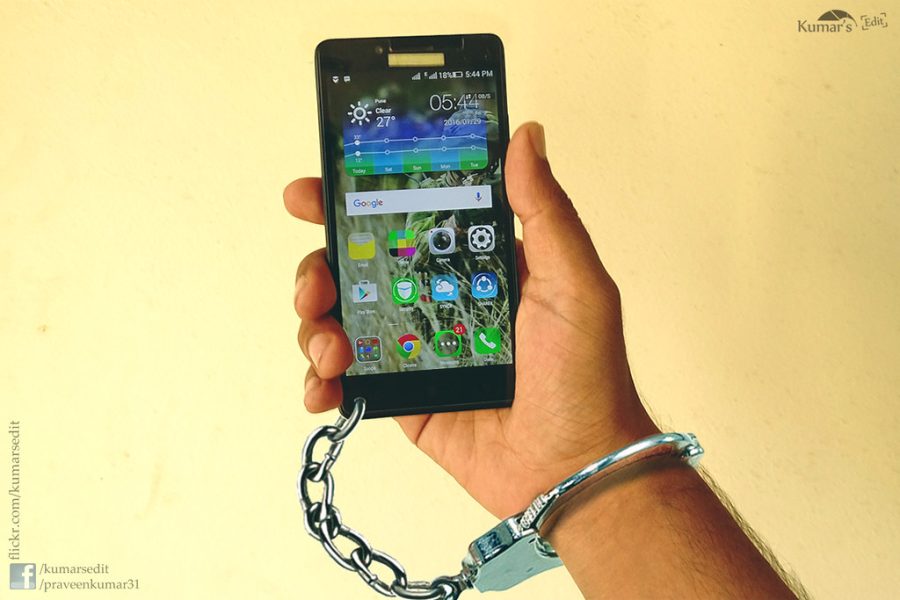
Cell phones have become almost indispensable in modern life — we use them to find answers online, get directions, call 911, and stay in touch with family. But that same ease of access can create serious problems. For many people — especially students and drivers — constant access to phones can cause distractions that lead to car accidents and poor school performance. Phone companies, users, and schools are all struggling with this problem. As part of my project, I argue for a solution that limits phone access during school and while driving, to reduce risks and improve focus and safety.
Some solutions and experiments have already been attempted. For example, there is growing support among researchers and institutions for stricter phone-use policies in schools. Meanwhile, studies on driving show that phone distractions among teens are common and hazardous: one recent study found that adolescent drivers who use hand-held phones are much more likely to be involved in risky driving or crashes. In the classroom context, many teachers and schools have tried enforcing bans or restrictions on visible phone use in class to reduce distractions.
On the other hand, there is still notice that phones have many benefits. According to a 2019 report by Pew Research Center, majorities of people worldwide believe mobile phones are good for society, helping users stay connected, access information, and benefit education and the economy. And a 2025 study from University of South Florida found benefits in kids’ digital media use — showing that smartphones can support access to information and communication, when used responsibly.
Despite efforts to resrict phone use, many problems persist. For driving, research shows that even brief glances at a phone — say two seconds or more — significantly increase the risk of a crash, especially among teen drivers. For schools, bans and restrictions often face resistance or inconsistent enforcement: many students still find ways to use their phones, and some educators or administrators resist strict policies, arguing students “need” their phones or they have other priorities. (This resistance makes policies hard to implement uniformly.) Also, because phones offer real benefits — social connection, emergencies, quick access to information — blanket bans may not be popular or practical for everyone. This tension between benefits and risks makes simple bans or rules hard to enforce in a meaningful way.
Experts in public health and road safety emphasize that distraction — whether visual, cognitive, or manual — is a primary danger when using phones while driving. For example, using a phone while driving has been shown to slow reaction times, increase braking distance, and raise the chance of rear-end collisions. Studies also warn that among newly-licensed teen drivers, handheld phone use or reaching for a phone dramatically increases crash or near-crash risk—sometimes raising it by 3–8 times depending on the type of distraction (dialing, texting, reaching, etc.).
In education, some experts argue that responsible smartphone use can be helpfull. Researchers from USF note that digital media can help kids with learning, communication, and social connection — especially if used properly (e.g., for educational purposes, communication, or emergencies). This suggests that a balanced approach — not an absolute ban — might be more appropriate.
What tends to work better than total bans (especially in driving) are technological or behavioral design features that limit abuse without removing benefits. For example: using “hands-free” driving systems carefully; using apps or phone settings that block notifications or disable non-essential functions while driving; or school-approved policies that allow phone use only for specific necessary purposes (emergency calls, educational tasks, navigation, etc.). Some research into in-vehicle monitoring and telematics apps shows promise in helping identify and discourage risky phone use among teens.
Given the evidence, limiting phone access during school hours and while driving is a reasonable and potentially effective approach. During school, restricting phone use can help students stay focused, avoid social distractions, and improve academic performance. While driving, limiting phone access or enabling auto-blocking of non-essential apps can reduce the chance of distraction and accidents.
However, because phones also serve critical roles — like helping get directions, contacting family, calling 911, or accessing information — the design of the restriction must be careful. The ideal solution would preserve essential functionalities (navigation, calls/SMS, emergency services) while blocking or limiting distracting functions (social media, games, video, messaging) during risky times (class time, driving). This balanced design respects the benefits of cell phones while reducing their major downsides.
Phones offer huge benefits in connection, information access, navigation, and safety, but their constant use can lead to serious consequences like car accidents and poor academic performance. Research shows that among teens and drivers, distraction from phones substantially increases risk. While many schools and communities have tried bans or restrictions, enforcement and practicality remain challenging. That’s why a nuanced, design-oriented solution — one that limits access during school hours and driving, but still allows essential functions — could strike a balance between safety and utility. Performing such a solution thoughtfully would likely improve both learning outcomes and public safety, making a positive impact on society.