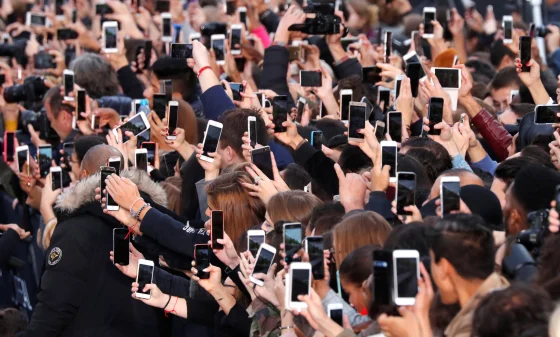
Social media has changed the world. Platforms make it easy to stay in touch werever you are, and create communities around shared interests, and spread lots of informati. For many people social media offers access to tmany oppurtunities that might not exist offline. However, as these platforms have grown researchers and public-health experts have found serious concerns about the risks. mental-health impacts, addictivness, privacy and data misuse, targeted advertising), and the speedy spread of misinformation.
One big problem is misinformation — false or misleading content shared as if true. Some solutions have tried to address this at the user level. For example, a recent study found that simple “social corrections” — just a few words indicating that a post is false — substantially reduced engagement. In experiments involving over 6,600 participants across several countries, researchers found that people who saw corrections were less likely to believe or share false posts.This shows that even ordinary users, not just experts or platforms, can play a role in reducing the spread of misinformation.
However, other efforts — particularly platform-level interventions — have often fallen short. A study of vaccine misinformation on Facebook showed that even when Facebook removed misinformative posts and attempted algorithm changes, the platform’s core design worked against these efforts. Because the architecture encourages formation of groups, fan-page networks, and community-driven content distribution, misinformation continued to spread effectively within communities that were motivated to share it. In short: content removal or tweaking the algorithm was not enough, because the underlying design and social dynamics that shape how people connect and share information remained unchanged.
Given these mixed results, many experts argue the biggest risks stem not just from particular posts or pieces of content — but from platform design, incentive structures, and governance. The fact that engagement (clicks, shares, likes) is often the primary reward means sensational, emotionally charged, or polarizing content tends to be amplified, even if it’s misleading or harmful. As the platform architecture enables communities to form around shared beliefs (true or false), misinformation can thrive regardless of content-level moderation. To address these root causes, experts point to stronger design features: community-based fact-checking and expert annotation networks (visible to users) that can tag or debunk content before it goes viral, plus transparent algorithmic governance, independent audits, and policies that prioritize well-being and accuracy over engagement.
Looking forward, meaningful solutions should combine changes in design, policy, and user education. Platforms could adopt “well-being by default” user interfaces: dose limits, friction to impulsive reposting, and tools for activity tracking. Stricter age verification and child-protection measures could ensure that minors are shielded from targeted advertising and manipulative design. At the same time, governments or regulators should require greater transparency about how algorithms work and how user data is collected, stored, and used — including giving users real control over data, limiting behavioral targeting, and facilitating data portability. Finally, promoting media literacy among users — teaching how to spot misinformation, think critically about content, and verify sources — remains essential.
In conclusion: social media’s power to connect, inform, and empower is real and valuable. But to make these benefits sustainable and safe — especially for young people — we cannot rely only on surface-level fixes like removing individual posts or relying on user corrections. We must rethink the design, incentives, and governance of these platforms. By combining thoughtful product design, regulatory safeguards, transparent algorithms, and user education — we can help social media evolve into a tool that supports well-being, trust, and healthy communities.