Electricity has transformed modern life. Long ago, people relied on candles, torches, or natural light — but today homes, schools, hospitals, and businesses use electricity for lighting, heating, appliances, communication, and much more. However, with benefits come problems: poor wiring, water leaks, rodents, or bad installation can cause flickering lights, outages, or even dangerous fires. Many communities struggle with high utility bills and unstable electrical or gas service when wiring isn’t done safely or properly. In this article, I explore what solutions exist today for home utilities, why some older approaches failed, what experts say are the biggest risks, and which design features work best — arguing that by improving wiring design, we can make utilities safer, more reliable, and possibly cheaper.
What solutions already exist for utilities in homes?
Over time, engineers and electricians have developed many systems to bring electricity safely into homes. The discovery of electric current and inventions like the battery and alternating current (AC) enabled electricity to be generated and distributed broadly. Today, most houses are connected to a power grid that delivers electricity for lighting, heating, cooking, and appliances. To improve safety and reliability, modern homes often use perfectly insulated wiring, circuit breakers, and specialized protective devices such as Ground Fault Circuit Interrupters (GFCIs) and arc-fault circuit interrupters (AFCIs). GFCIs cut power automatically if water or a fault is detected — protecting against shocks — while AFCIs prevent fires caused by loose or arcing wires. In regions where weather or flooding is a concern, some homes use waterproof electrical boxes and outdoor wiring protected by watertight housings.
What didn’t work about past solutions in homes?
In older homes or in places where installation was poorly done, many problems arise. Some older wiring used cloth or uninsulated wires that degrade over time and become dangerous. Other issues are caused by moisture, flooding, or water leaks — water can cause short circuits, corrosion, or electrical arcing, leading to outages, shocks, or fires. Moreover, when people overload circuits — by plugging too many high-power devices into the same outlet or by using extension cords as permanent wiring — it can overheat wiring or cause tripped breakers and damage. In some cases, wiring is exposed to physical damage: rodents chewing on wires, furniture pinching cords, or wires running under rugs — all of which degrade insulation and safety. Such failures show that simply having electricity is not enough — proper installation, insulation, and maintenance matter a lot.
What do experts say are the biggest risks?
According to electrical safety guidelines, the major risks in home utilities come from water contact, damaged wiring, overloading, poor insulation, and faulty or outdated infrastructure. When water enters electrical boxes or touches exposed wiring, it can cause short circuits, shocks, or fires. Loose connections or old wiring may lead to “arcing,” where electricity jumps across a gap, creating sparks that can ignite fires — which is why devices like AFCIs are used to detect and stop arcs. Also, overloading circuits or misusing extension cords can cause overheating and damage to wiring over time. In areas prone to extreme weather, flooding, or rodents, the risk grows, because water or physical harm can compromise protective insulation.
What design features are most effective?
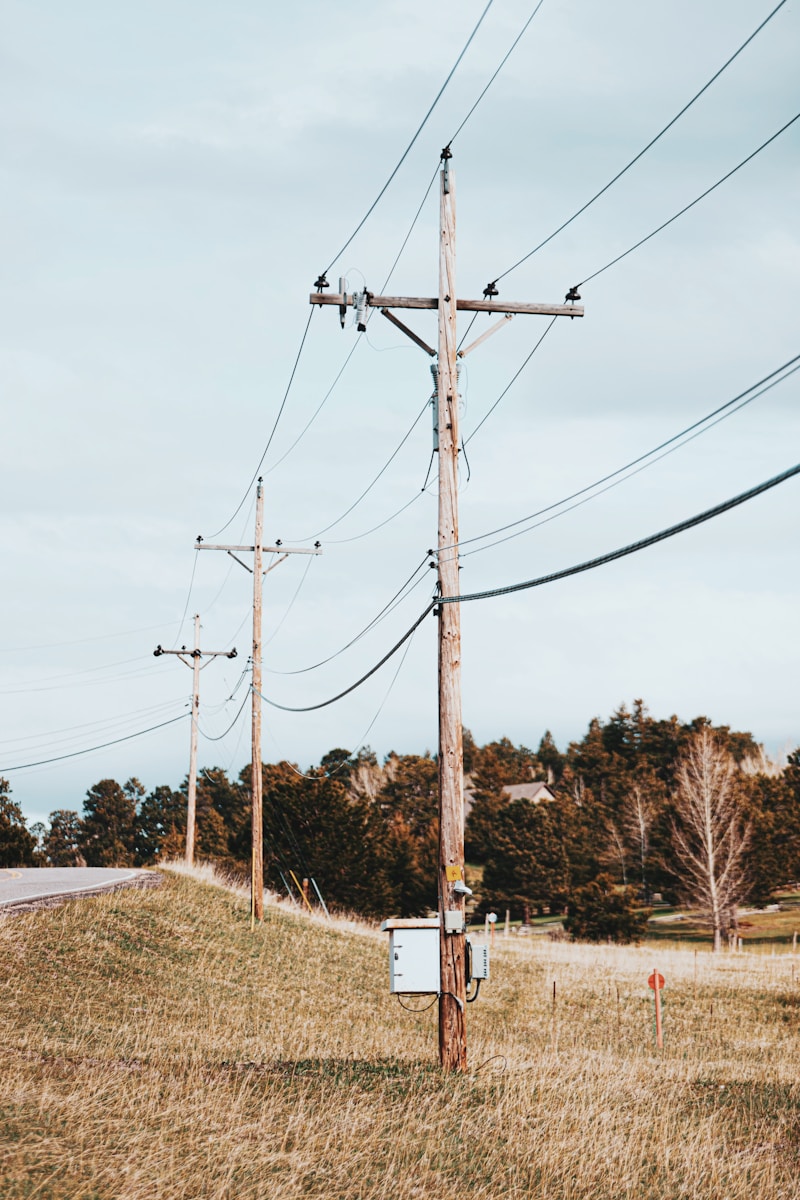
Engineers and electricians favor a combination of design factors and safety devices that will increase the durability and reliability of utilities. First of all, the use of properly insulated power wires in protected conduit wiring systems – and most importantly in the case of outdoor wiring – will protect the wiring from possible water, rodent, or physical damage. Furthermore, the use of waterproof and weather-resistant junction boxes for outdoor power outlets and wires will provide an additional layer of safeguarding. Second, the use of GFCIs in kitchens and bathrooms, as well as in outdoor use, in conjunction with the use of AFCIs in general circuit wiring systems will significantly lower the possibility of electrical shock and fire. Third, the use of properly balanced circuit loads – that is the balanced distribution of appliances along adequate circuit design – will protect the durability of the wiring. Finally, proper inspection of wiring systems will help foretell the potential development of possible wire failures.
Electricity has dramatically improved modern life, turning nights bright and powering homes, schools, and industries — yet it also brings risks when wiring and design are poor. While past approaches sometimes failed because of inadequate insulation, exposure to water or damage, and overloaded circuits, modern engineering offers better solutions: insulated wiring, protective conduits, waterproof boxes, safety devices like GFCIs and AFCIs, and smart circuit design. Experts agree that water exposure, physical damage, and overloaded circuits are among the biggest hazards in home utilities. By adopting better design and maintenance — using less but higher-quality, well-protected materials — we can make electricity and gas systems safer, more reliable, and potentially cheaper in the long run. Such improvements could help communities avoid flickering lights, outages, costly repairs, and high utility bills — giving more people a stable, safe supply of power without risking their safety.