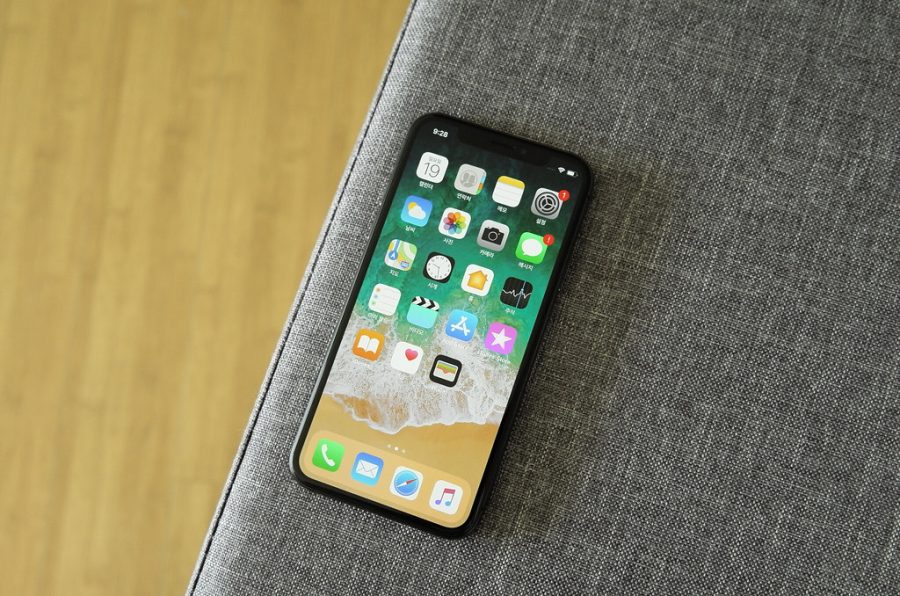
In today’s world, mobile phones are a major part of everyday life. We use them to talk with friends, get directions, learn new things, and relax with games or videos. Phones make life more convenient and help us stay connected wherever we are. However, students and parents are beginning to notice a serious problem. Many kids spend too much time on their phones, and this often happens because apps are designed to be fun, addictive, and easy to access. Constant phone use can lead to distraction, dependence, and mental health concerns. This article explores current solutions to phone overuse, why some attempts fail, what experts say about excessive screen time, and how technology can be designed to encourage healthier habits.
There are already several strategies people use to limit phone use. Families often create phone free times or places, such as during meals or before bed, to protect sleep and encourage real conversations. Many phones also include tools that track screen time or block apps once limits are reached. These features help users become more aware of their habits. Students can also replace scrolling with healthier activities like reading, exercising, or spending time with friends. All of these approaches promote a better balance between phone use and offline life.
Even so, not every solution works for everyone. Some people try strict digital detoxes or hard limits, but quickly return to old habits because their phones are always nearby. Others delete one app only to replace it with another. In some cases, strict rules can increase stress or make people want their phones even more. These failed attempts show that willpower alone is not enough. Long term change requires supportive habits and smarter technology design.
Experts warn that too much screen time, especially on social media and video apps, can negatively affect mental health and relationships. Phones can make conversations feel less personal and weaken face to face communication skills. Research also links excessive phone use to anxiety, depression, poor sleep, and difficulty focusing. Children and teens who spend too many hours on their devices may struggle more with emotional well being and social connections than those who use phones responsibly. These risks show why better solutions are needed.
Engineers and designers can play an important role in reducing phone addiction while keeping devices useful. Features like screen time tracking, customizable alerts, and distraction blocking tools can help users set healthy limits. Design choices that reduce notifications or encourage breaks can make phones less tempting. Good technology design should support communication and safety while promoting meaningful real world interaction.
Mobile phones are powerful tools that help us stay connected, informed, and entertained, but they can also become distracting and addictive. Solutions such as parental controls, screen free routines, and mindful habits show promise, while overly restrictive methods often fail. Research shows that excessive phone use can harm mental health and communication, making balanced design essential. Stronger parental controls and age verification could help ensure children use devices safely and responsibly. With thoughtful design and healthy habits, we can keep the benefits of mobile phones while reducing their negative effects on students and families.