Invasive Species In The Chesapeake Bay!
Invasive species are plants and animals that are not native to an area. They usually cause harm to the environment, economy, or human health. In the Chesapeake Bay, several invaders compete with native species, changing food webs and damaging habitats. Understanding which species are causing trouble, how they affect wildlife and people, and what we can do to limit their spread can help us work together in the fight against invasive species for a healthier Bay.
Which Invasive Species Are In The Chesapeake Bay?
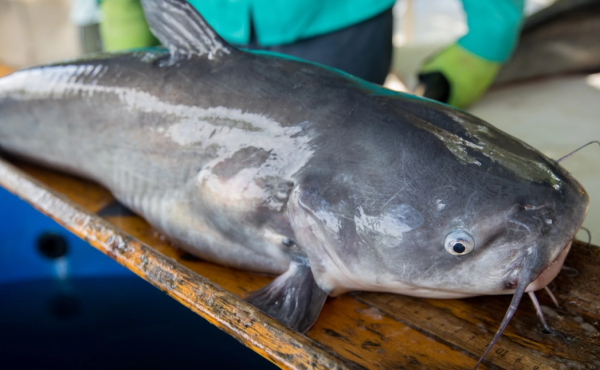
The most famous invaders today include blue catfish and flathead catfish (large, fast-spreading predators), northern snakehead (an aggressive, air-breathing fish that can move between waters), zebra mussels (small mollusks that attach to hard surfaces and spread quickly), and the wetland plant Phragmites australis (which form dense groups). There are other species, such as the virile and rusty crayfish that are plaguing the ecosystem. But the most destructive is the blue catfish, as scientists are estimating that .
What Are Their Negative Impacts On The Bay’s Ecosystem?
Blue catfish and snakeheads eat many native species, including juvenile fish, blue crabs, and fish eggs. This action reduces native populations and disrupts food webs. Zebra mussels clog intake pipes, out-compete native mussels, and change water chemistry. Phragmites stands (word for a dense group of plants) crowd out native marsh plants, reducing biodiversity and altering habitat structure that are critical for birds, fish nurseries, and shoreline stability. These changes ripple through the ecosystem, weakening resilience and making restoration difficult.
How Are Other Animals And Plants Affected?
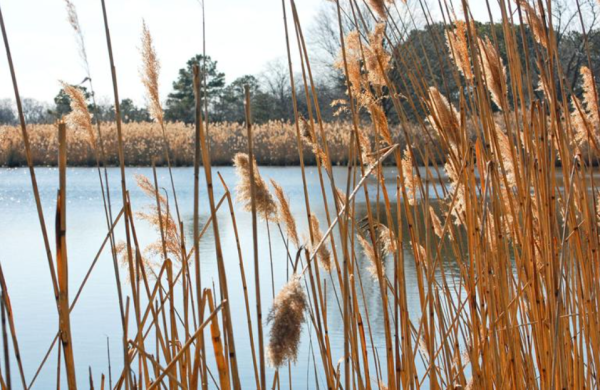
When invasive predators eat the young fish or crabs, native predators lose important prey and begin to die out. Dense Phragmites stands replace diverse marsh communities that support birds, amphibians, and juvenile fish, leaving all those animals with no habitat to call home. Zebra mussel colonies smother native freshwater mussels and alter plankton communities, which affects the base of the food chain.
How Are People Affected?
Communities around the Chesapeake Bay feel both the ecological and economic impacts. By clogging intake pipes, zebra mussels raise costs for towns and power plants to remove them. Fisheries and seafood businesses are harmed when native fish and crabs decline as there is less of a haul, causing higher prices for the customers and less profit for the companies. Boaters, anglers, and waterfront homeowners face new maintenance challenges as these invasive species take over the Bay. Public health agencies also issue consumption advisories for some large, older fish, due to contaminants that can build up in their tissues, which requires careful guidance for safe eating.
What Are People Doing Right Now To Protect The Bay From Invasive Species? How Effective Is It?
Bay partners are focusing on the “fish-them-down” strategy for blue catfish through commercial harvests, angler education, and derbies (public contests). The “fish-them-down” strategy focuses on no limits for anglers and fishermen when catching. Agencies are testing tools like electrofishing surveys and eDNA monitoring to track snakeheads, while managers are restoring and protecting wetlands by targeting Phragmites stands for control. The states of the Pacific Northeast, West Coast, and East Coast are also continuing early-detection, rapid-response work for the fast-moving zebra mussels. These efforts are showing promise. Commercial blue catfish harvests are growing, public participation is up, and managers are improving cost and effort estimates for effective marsh control. But success requires coordinated, Bay-wide action and sustained funding in order to help save the Bay from these invasives.
What Ideas Could Further Slow Or Stop The Spread?
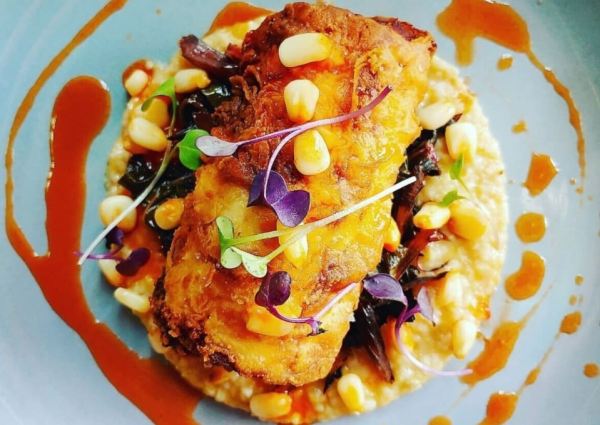
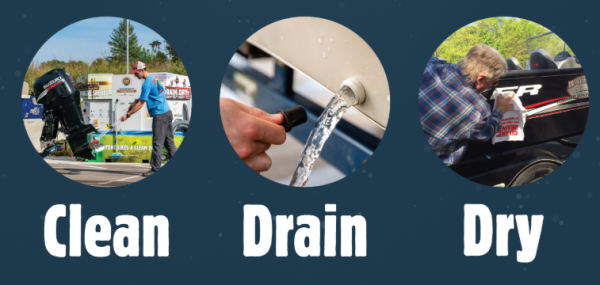
There are three practical steps that stand out. First, expanding markets (with clear, safety information concerning consumption) for the invasive blue catfish will help keep the population down, while turning this critical problem into a delicious solution. Second, strengthen the “Clean, Drain, Dry” rules for boaters. “Clean” the boats for any clinging flora and fauna; “drain” the boat for water in any parts of the boat; “dry” the boat for any remaining moisture. This helps prevent zebra mussels from spreading through boats. For those situations where the risk is high, require and enforce decontamination. Third, investing in habitat resilience will help protect and restore native marshes and submerged aquatic vegetation. This way, the ecosystem can better resist invasions. Scientists also using targeted, science based Phragmites treatments will be the biggest ecological payoff.
Invasive species in the Chesapeake Bay are a huge problem, but not an unsolvable one. By combining science (monitoring and rapid response), smart policy (consistent Bay-wide rules), and community action (responsible boating, informed fishing, and invasive-species markets), we can reduce damage, protect native wildlife, and keep the Bay’s ecosystems and livelihoods for a brighter future.
Works Cited
Chesapeake Bay Program. (2023, July 28). Fishing for blue catfish is good for the Bay, but be careful when eating them. https://www.chesapeakebay.net/news/blog/fishing-for-blue-catfish-is-good-for-the-bay-but-be-careful-when-eating-them
Chesapeake Bay Program. (2025, May). Invasive Catfish Workgroup: Spring 2025 meeting minutes. https://www.chesapeakebay.net/files/documents/Invasive-Catfish-Workgroup-Meeting-Minutes_-Spring-2025.pdf
Maryland Department of Natural Resources. (2024, April 4). Blue catfish are taking over in Maryland waters as state officials and the fishing community work to contain the spread. https://news.maryland.gov/dnr/2024/04/04/blue-catfish-are-taking-over-in-maryland-waters-as-state-officials-and-fishing-community-work-to-contain-the-spread/
Maryland Department of Natural Resources. (n.d.-a). Zebra mussels. https://dnr.maryland.gov/Invasives/pages/zebra_mussels.aspx
Maryland Department of Natural Resources. (n.d.-b). Northern snakehead information. https://dnr.maryland.gov/fisheries/pages/snakehead_info.aspx
NBC4 Washington, Ted Oberg. (2025, August 29). As aggressive catfish threaten the Chesapeake Bay, Maryland says take a bite. https://www.nbcwashington.com/investigations/catfish-chesapeake-bay-maryland/3981375/
NOAA National Centers for Coastal Ocean Science. (2023, April 3). Study helps predict time and effort needed to remove invasive reed in Chesapeake Bay. https://coastalscience.noaa.gov/news/study-helps-predict-time-effort-needed-to-remove-invasive-reed-in-chesapeake-bay/
U.S. Geological Survey. (2024). Invasive blue catfish in the Chesapeake Bay: A risk to realizing restoration goals. https://pubs.usgs.gov/fs/2024/3033/fs20243033.pdf
Virginia Marine Resources Commission. (2024, August 20). Crab Management Advisory Committee memo: Predation impacts of invasive blue catfish. https://mrc.virginia.gov/cmac/2024/2024-08-20-CMAC-Memo.pdf
RELATED STORIES:
https://www.ccamd.org/impacts-and-opportunities-of-invasive-fish-in-chesapeake-bay/
https://www.trcp.org/2024/04/22/blue-catfish-in-the-chesapeake-are-gobbling-up-everything-in-it/
https://www.umces.edu/invasive-species-management-in-maryland
TAKE ACTION:
https://www.chesapeakebay.net/who/group/invasive-catfish-task-force