Have you ever had your phone battery die when you needed it most? Portable phone chargers, also called power banks, are devices that store energy and can recharge phones and other electronics when an outlet is not available. These devices have become popular because they help people stay connected during emergencies, travel, and everyday activities.
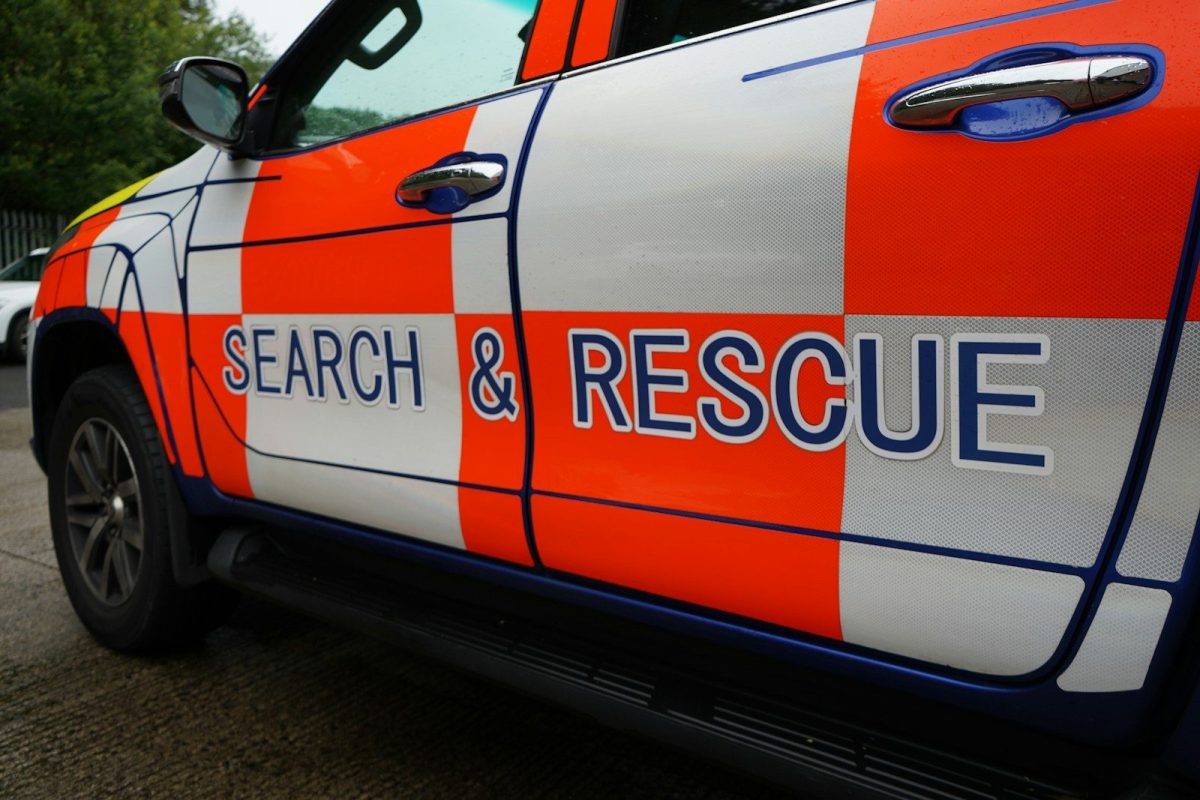
Portable chargers have many positive impacts on people. They provide a reliable source of power when a phone battery runs low, which can be especially important during emergencies. Students, parents, and workers can use portable chargers to stay in contact with others, access important information, and use navigation apps when they are away from home. Chargers with higher battery capacities, measured in milliamp-hours (mAh), can recharge a phone multiple times before needing to be recharged themselves.
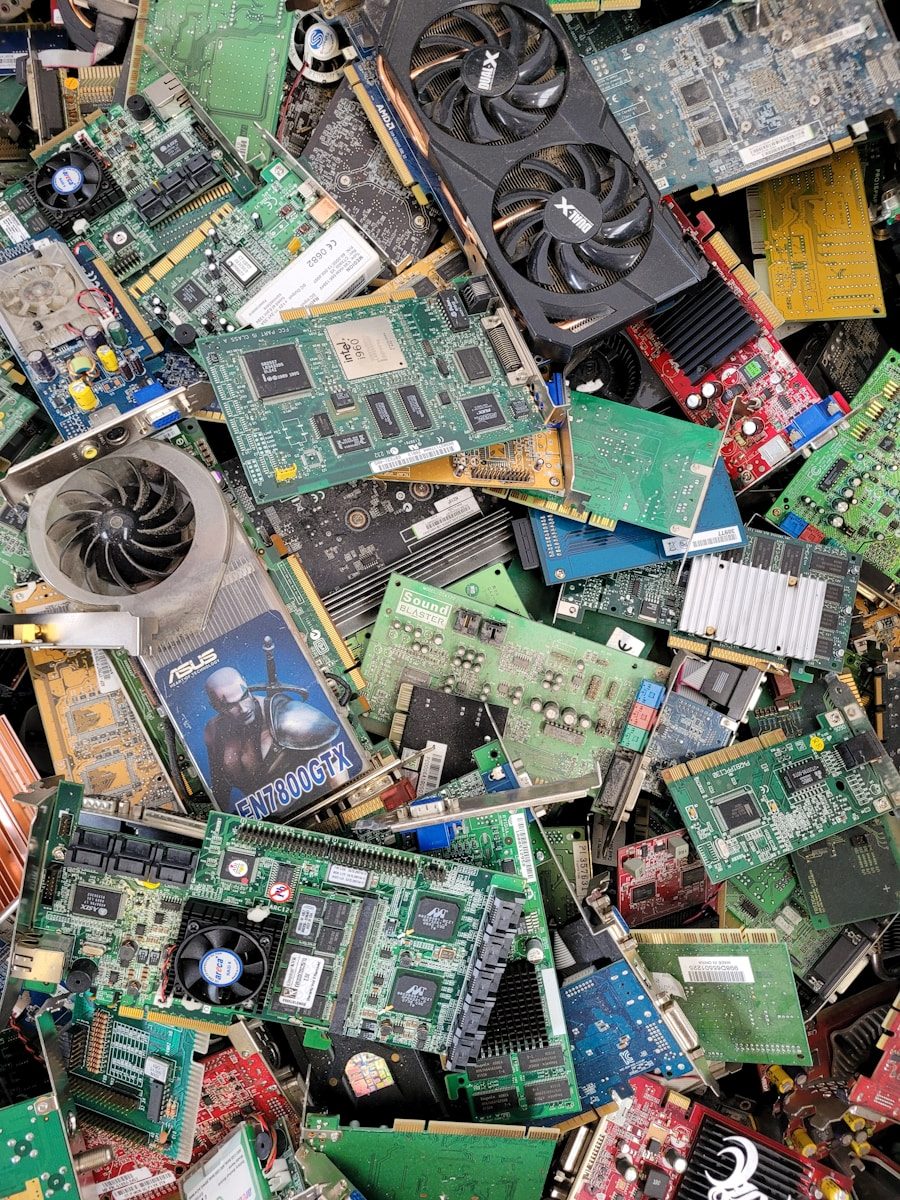
However, portable chargers also have some risks. Most power banks use lithium-ion batteries, which can be dangerous if they are damaged, poorly manufactured, or disposed of incorrectly. In rare cases, these batteries can overheat, catch fire, explode, or release harmful gases. Because of these risks, users should follow safety instructions, avoid exposing chargers to extreme temperatures, and recycle old batteries properly.
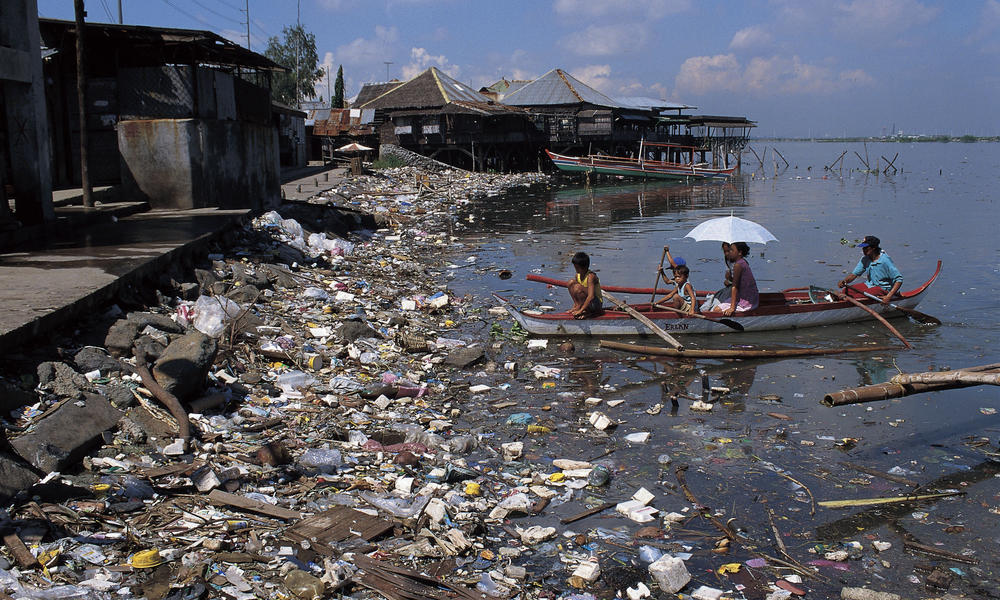
Portable chargers can also affect the environment. Manufacturing lithium-ion batteries requires materials such as lithium, cobalt, and nickel, which must be mined from the Earth. Mining and battery production can use large amounts of energy and may harm ecosystems if not managed responsibly. On the positive side, using durable chargers for a long time and recycling batteries can help reduce waste and conserve resources.
Portable phone chargers are an important example of engineering solving a real-world problem. They help people stay connected and prepared when they need power on the go. Although there are safety and environmental concerns, responsible use, proper recycling, and continued improvements in battery technology can make portable chargers safer and more sustainable for the future.
References
- https://docs.google.com/document/d/1lTH6AS3qastR_StCwHoq1K5gkMwuu5XYDlhlFFhe70M/edit?tab=t.0
- https://docs.google.com/presentation/d/11tijdLIrDTYZ60ZPoWJHQy05pm-EaJHUyRY3m1z9I2M/edit?slide=id.g3a1eb923788_0_0#slide=id.g3a1eb923788_0_0
- https://docs.google.com/presentation/d/11tijdLIrDTYZ60ZPoWJHQy05pm-EaJHUyRY3m1z9I2M/edit?slide=id.g3a1eb923788_0_0#slide=id.g3a1eb923788_0_0slide 4
- https://docs.google.com/presentation/d/11tijdLIrDTYZ60ZPoWJHQy05pm-EaJHUyRY3m1z9I2M/edit?slide=id.g3a1eb923788_0_0#slide=id.g3a1eb923788_0_0e 5
- https://docs.google.com/presentation/d/11tijdLIrDTYZ60ZPoWJHQy05pm-EaJHUyRY3m1z9I2M/edit?slide=id.g3a1eb923788_0_0#slide=id.g3a1eb923788_0_0 slide 6