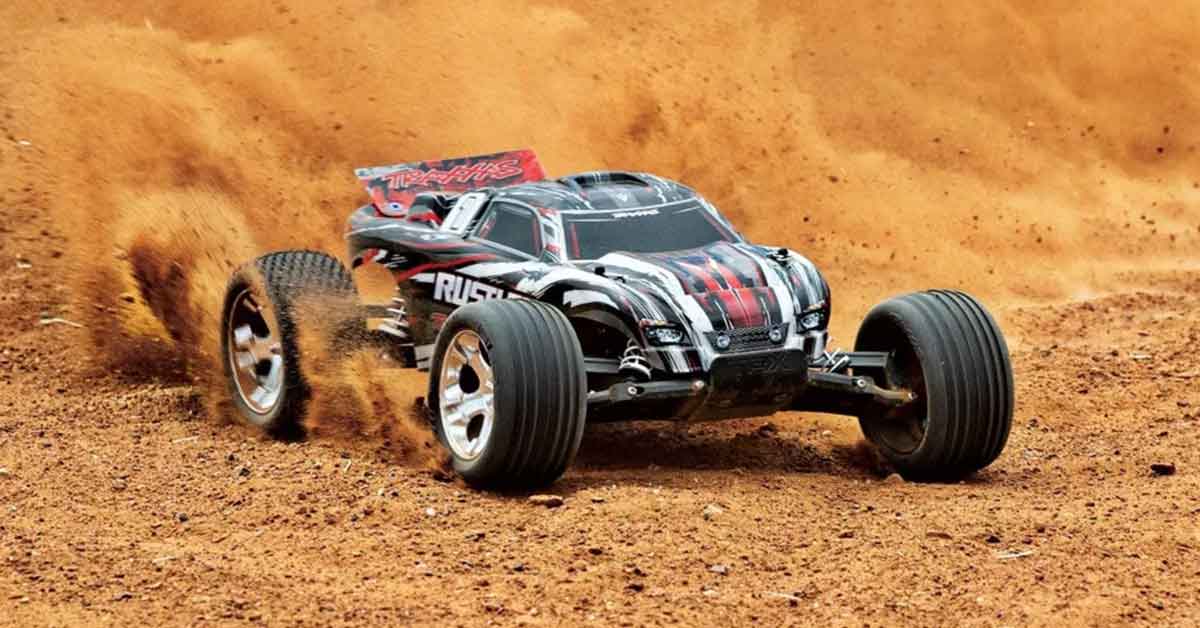
Around the world, millions of people struggle with hunger because they do not have easy access to food. Transportation can also be a challenge, especially for people who cannot drive or afford the cost of gas. Engineers are always looking for new ways to solve problems, and one possible solution is using remote-controlled (RC) cars to help deliver food over short distances.
An RC car can be designed to carry small amounts of food directly to people who need it. This could be useful in neighborhoods, apartment complexes, schools, or during emergencies when normal transportation is difficult. By using rechargeable batteries instead of gasoline, RC cars can help reduce fuel costs and make food delivery more affordable.
There are many benefits to using RC cars for food delivery. People could receive food without leaving their homes, which could help elderly individuals, people with disabilities, or families without transportation. RC cars also produce no direct air pollution while operating. However, there are some challenges. The battery could run out of power, bad weather could affect delivery, and the cars may not be able to carry large amounts of food.
Other food delivery solutions already exist. Services such as Uber Eats and DoorDash deliver meals to customers, while food trucks bring food directly into communities. Ice cream trucks are another example of vehicles that bring products to people instead of requiring customers to travel. These solutions show that mobile delivery systems can be successful when they are designed to meet people’s needs.
Although RC cars will not solve world hunger by themselves, they could become part of a larger solution for improving food access. Engineers can continue developing new technologies that make food delivery easier, cheaper, and more environmentally friendly. By combining creativity with problem-solving, innovations like RC food delivery vehicles may help more people get the food they need in the future.