The Problem With E-Books
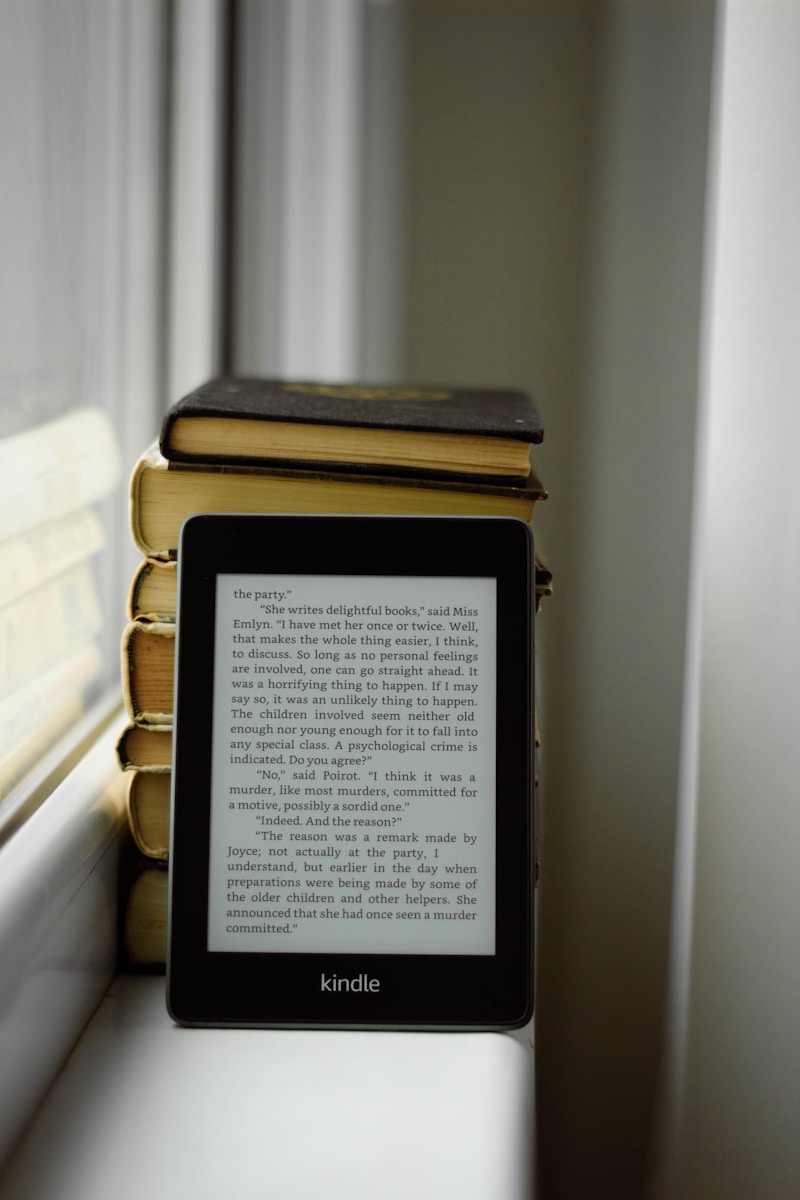
In today’s digital world, more readers than ever are turning to e-books. These small, portable devices let people carry entire libraries in their backpacks, and they are far better for the environment than printed books, which require trees, ink, and shipping around the world (Good e-Reader, n.d.). With e-books, readers can instantly switch languages, store thousands of titles, and read anywhere they go. But as e-books grow in popularity, many students and adults are noticing that long hours of screen time can lead to eye strain and other health problems. This issue raises an important question: How can e-books be redesigned to protect readers’ health while still keeping their digital benefits?
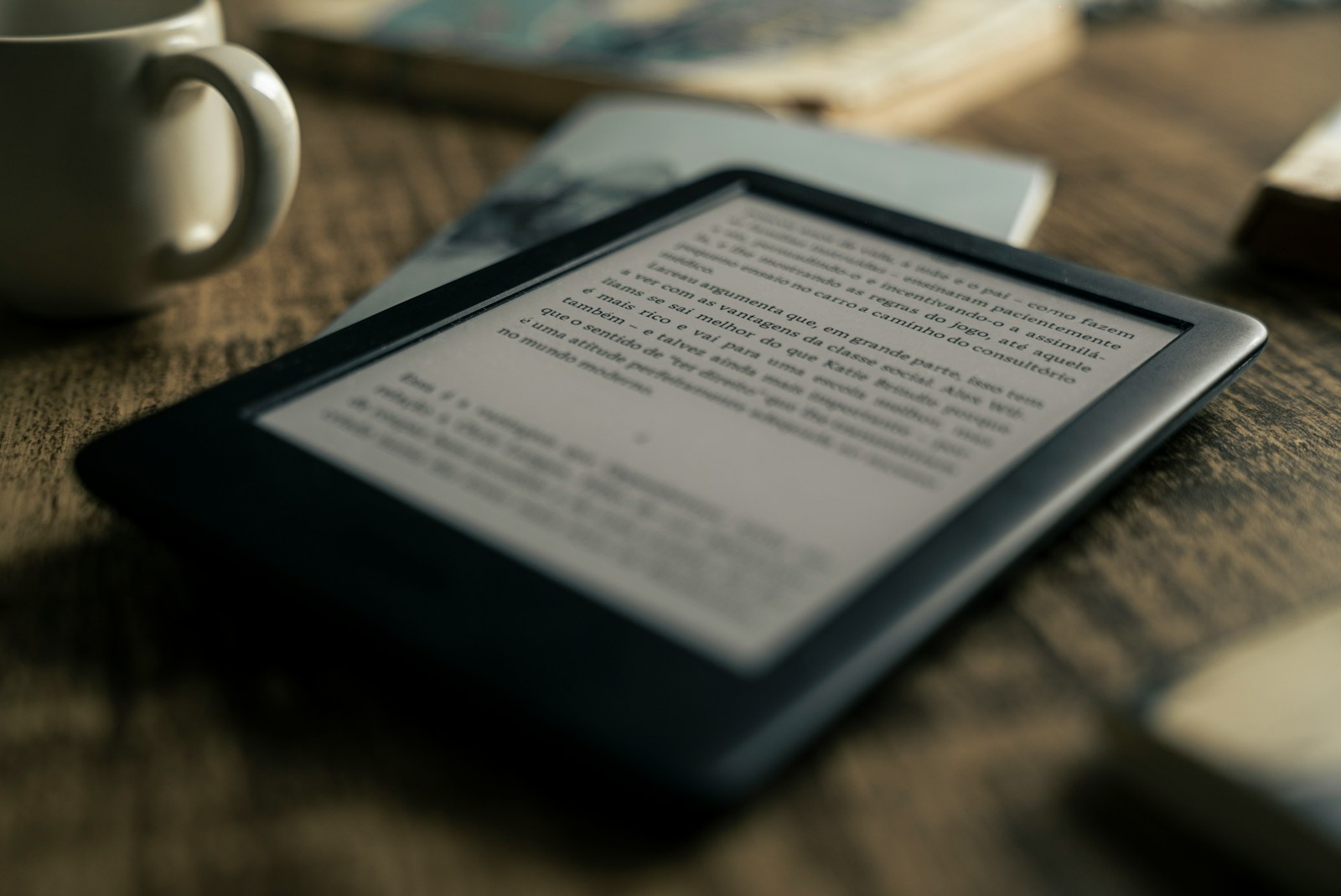 Several solutions have already been created to make e-reading safer. Some e-readers use e-ink screens instead of glowing LCD screens, helping reduce glare and eye strain (Pew Research Center, 2012). Other devices offer night-mode settings, adjustable fonts, or blue-light filters to reduce discomfort. Experts have also suggested taking frequent breaks and lowering screen brightness to make reading more comfortable (Albarrán et al., 2021). These ideas do help, but many readers—especially children—still experience dry eyes, headaches, stiff necks, and fatigue from long periods of digital reading (Public Libraries Online, 2014). This shows that current solutions don’t fully solve the problem.
One major challenge is that past solutions focused only on the screen, not on how people emotionally connect to books. Many readers say they miss the feeling of holding a physical book—the smell of the pages, the weight in their hands, and the joy of discovering books on a shelf (Medium, n.d.). These sensory experiences can’t be replaced by a flat tablet screen. Even with better lighting settings or biodegradable materials, modern e-readers still feel like devices, not books people can bond with. This emotional disconnect is one of the biggest reasons some solutions haven’t worked.
Experts continue to warn that digital addiction—especially the habit of switching between apps, messages, and screens—makes eye-related health problems worse (Albarrán et al., 2021). Children are at even greater risk because their eyes and attention habits are still developing. To minimize these dangers, a redesigned e-book device must not only reduce screen strain but also encourage healthier reading habits.

One possible solution is a hybrid device that combines the emotional comfort of a printed book with the flexibility of an e-reader. Imagine a traditional hardcover book, but instead of paper pages, it contains two thin e-ink screens inside. When opened, it feels like a real book, but it still offers adjustable font sizes, instant downloads, and environmental benefits. While this design would not solve every issue, it could reduce strain by using e-ink while helping readers reconnect with the familiar feeling of a physical book.
In conclusion, e-books offer incredible advantages, from portability to sustainability, but their health risks cannot be ignored. Past solutions have improved reading comfort, yet many readers still struggle with screen fatigue and the loss of physical connection. A hybrid design—part printed book, part e-reader—may help bridge this gap by preserving what readers love while reducing digital strain. As technology continues to grow, inventors and designers will need to think creatively to keep reading both enjoyable and healthy for everyone.
References
Albarrán, I., et al. (2021). Digital eye strain: Prevalence, measurement, and solutions. National Center for Biotechnology Information. https://pmc.ncbi.nlm.nih.gov/articles/PMC8296384/
Good e-Reader. (n.d.). From paper to pixels: The rise of e-readers and digital reading.https://goodereader.com/blog/electronic-readers/from-paper-to-pixels-the-rise-of-e-readers-and-digital-reading
Medium. (n.d.). The pros and cons of e-books. https://medium.com/@info_58265/the-pros-and-cons-of-e-books-466525b1e353
Pew Research Center. (2012). The rise of e-reading. https://www.pewresearch.org/internet/2012/04/04/the-rise-of-e-reading-5
Public Libraries Online. (2014). The physical effects of e-reading. https://publiclibrariesonline.org/2014/02/the-physical-effects-of-e-reading